Tesla’s Full Self-Driving Ambitions Hit Roadblock: Millions Require Hardware Upgrades
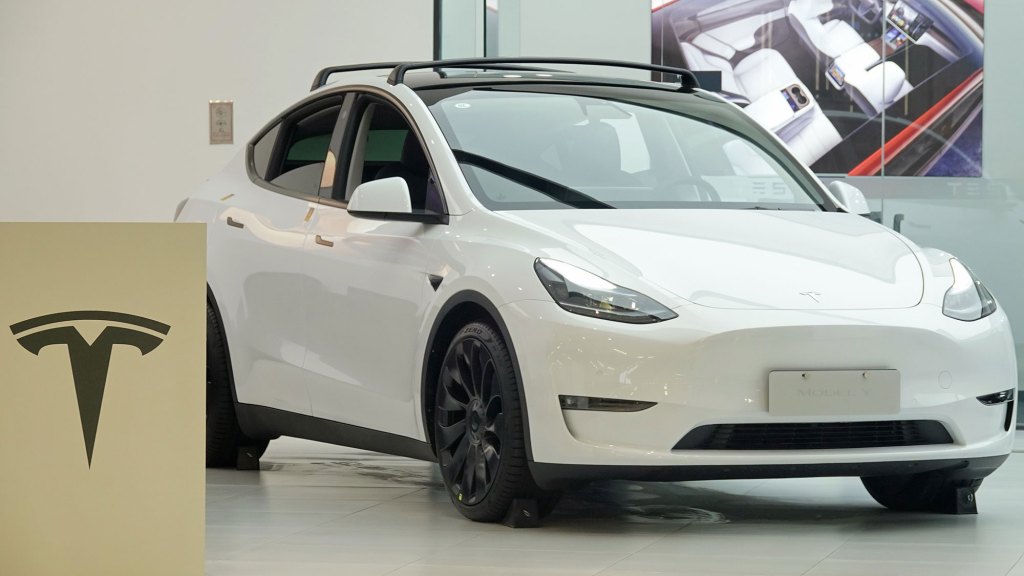
In a significant development, Tesla CEO Elon Musk has acknowledged that millions of Tesla vehicles will necessitate hardware upgrades to achieve true Full Self-Driving (FSD) capabilities without human oversight. This revelation marks a departure from previous assurances that existing hardware would suffice for future autonomous functionalities.
Background and Initial Promises
Since 2016, Tesla has promoted its vehicles as being equipped with all necessary hardware to eventually support full autonomy through software updates. This claim was central to Tesla’s appeal, suggesting that owners would not need additional hardware to access future self-driving features. However, this promise has faced increasing scrutiny over the years.
The Reality of Hardware Limitations
During Tesla’s quarterly earnings call on April 22, 2026, Musk admitted that vehicles equipped with the third iteration of Tesla’s driver-assistance hardware, known as Hardware 3, lack the capability to support unsupervised FSD. These vehicles, sold between 2019 and 2023, will require both new computers and upgraded cameras to meet the demands of advanced autonomous driving.
Musk elaborated on the logistical challenges of implementing these upgrades, stating, If it’s done just at the service center, it is extremely slow to do so, and inefficient. So we basically need, like many production lines, to make the change. To address this, Tesla is considering establishing micro-factories in major metropolitan areas to expedite the upgrade process and prevent service center bottlenecks.
Customer Concerns and Potential Legal Implications
This admission has raised concerns among Tesla owners who purchased vehicles under the impression that their cars were hardware-ready for future FSD capabilities. The need for hardware upgrades contradicts earlier promises and could expose Tesla to legal challenges from customers who feel misled.
Historical Context and Previous Admissions
This isn’t the first time Tesla has had to revise its stance on hardware requirements for FSD. In January 2025, Musk acknowledged the insufficiency of Hardware 3 for achieving unsupervised FSD, stating, I think the honest answer is that we’re going to have to upgrade people’s Hardware 3 computer for those that have bought Full Self-Driving. That’s going to be painful and difficult, but we’ll get it done.
Despite these acknowledgments, Tesla’s Chief Financial Officer, Vaibhav Taneja, suggested in October 2025 that the company had not entirely abandoned the possibility of making Hardware 3 work for FSD, indicating internal debates and uncertainties regarding the hardware’s capabilities.
Regulatory Scrutiny and Safety Concerns
Tesla’s FSD software has been under increased scrutiny from regulatory bodies. The National Highway Traffic Safety Administration (NHTSA) has intensified its investigation into the performance of Tesla’s FSD software, particularly concerning its behavior in low-visibility conditions and adherence to traffic safety laws. Reports of the software causing vehicles to run red lights or cross into incorrect lanes have prompted these investigations.
Transition to Subscription Model and Discontinuation of Autopilot
In January 2026, Tesla announced a shift to a subscription-only model for its FSD software, discontinuing the option to pay a one-time fee. This move aims to boost adoption rates and aligns with Musk’s goal of reaching 10 million active FSD subscriptions by 2035, a key milestone in his compensation package.
Additionally, Tesla discontinued its basic driver-assistance system, Autopilot, in an effort to encourage more customers to adopt the FSD software. This decision came amid legal challenges and regulatory scrutiny over the marketing and capabilities of Tesla’s driver-assistance systems.
Looking Ahead: Challenges and Commitments
As Tesla navigates these challenges, the company remains committed to achieving true autonomous driving. The acknowledgment of hardware limitations and the need for upgrades represent a significant step in addressing the technical hurdles associated with FSD. However, the path forward involves not only technological advancements but also rebuilding customer trust and addressing regulatory concerns.