OpenAI’s Sam Altman Criticizes Anthropic’s Mythos Model as ‘Fear-Based Marketing’
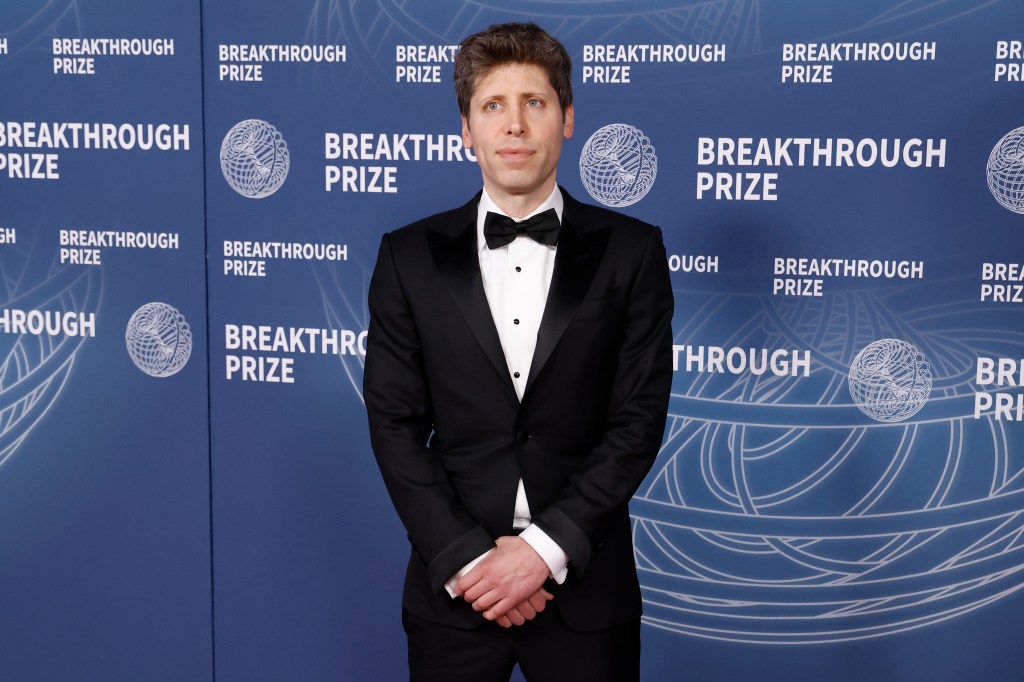
In the rapidly evolving landscape of artificial intelligence, competition among leading firms has intensified, often spilling into public discourse. A recent example involves OpenAI’s CEO, Sam Altman, who has openly criticized Anthropic’s latest cybersecurity model, Mythos, labeling the company’s promotional tactics as fear-based marketing.
Anthropic introduced Mythos earlier this month, positioning it as a highly advanced AI model designed for cybersecurity applications. The company restricted its release to a select group of enterprise clients, citing concerns that the model’s capabilities could be exploited by cybercriminals if made widely available. This cautious approach has been met with skepticism from various quarters, including Altman.
During an appearance on the Core Memory podcast, Altman expressed his reservations about Anthropic’s strategy. He suggested that the company’s emphasis on the potential dangers of Mythos serves to keep advanced AI technologies within a limited circle, thereby controlling access and possibly stifling broader innovation. Altman remarked, There are people in the world who, for a long time, have wanted to keep AI in the hands of a smaller group of people. You can justify that in a lot of different ways.
He further criticized the marketing approach by drawing an analogy: It is clearly incredible marketing to say, ‘We have built a bomb, we are about to drop it on your head. We will sell you a bomb shelter for $100 million.’ This statement underscores his belief that Anthropic’s messaging may be leveraging fear to enhance the perceived value and exclusivity of their product.
The practice of using cautionary narratives to promote AI products is not unique to Anthropic. The AI industry has a history of employing such tactics to underscore the power and potential risks associated with their technologies. Discussions about AI’s existential threats have been prevalent, often propagated by the very entities developing these systems. Notably, Altman himself has previously engaged in similar rhetoric, highlighting the dual-edged nature of AI advancements.
Anthropic’s decision to limit the release of Mythos aligns with their stated commitment to responsible AI deployment. By providing access exclusively to a curated group of organizations, the company aims to mitigate potential misuse. However, this approach has sparked debates about the balance between innovation, accessibility, and security in the AI domain.
The broader AI community continues to grapple with these challenges, striving to develop technologies that are both powerful and safe. As companies like OpenAI and Anthropic navigate this complex landscape, their strategies and public interactions will likely influence the future trajectory of AI development and deployment.