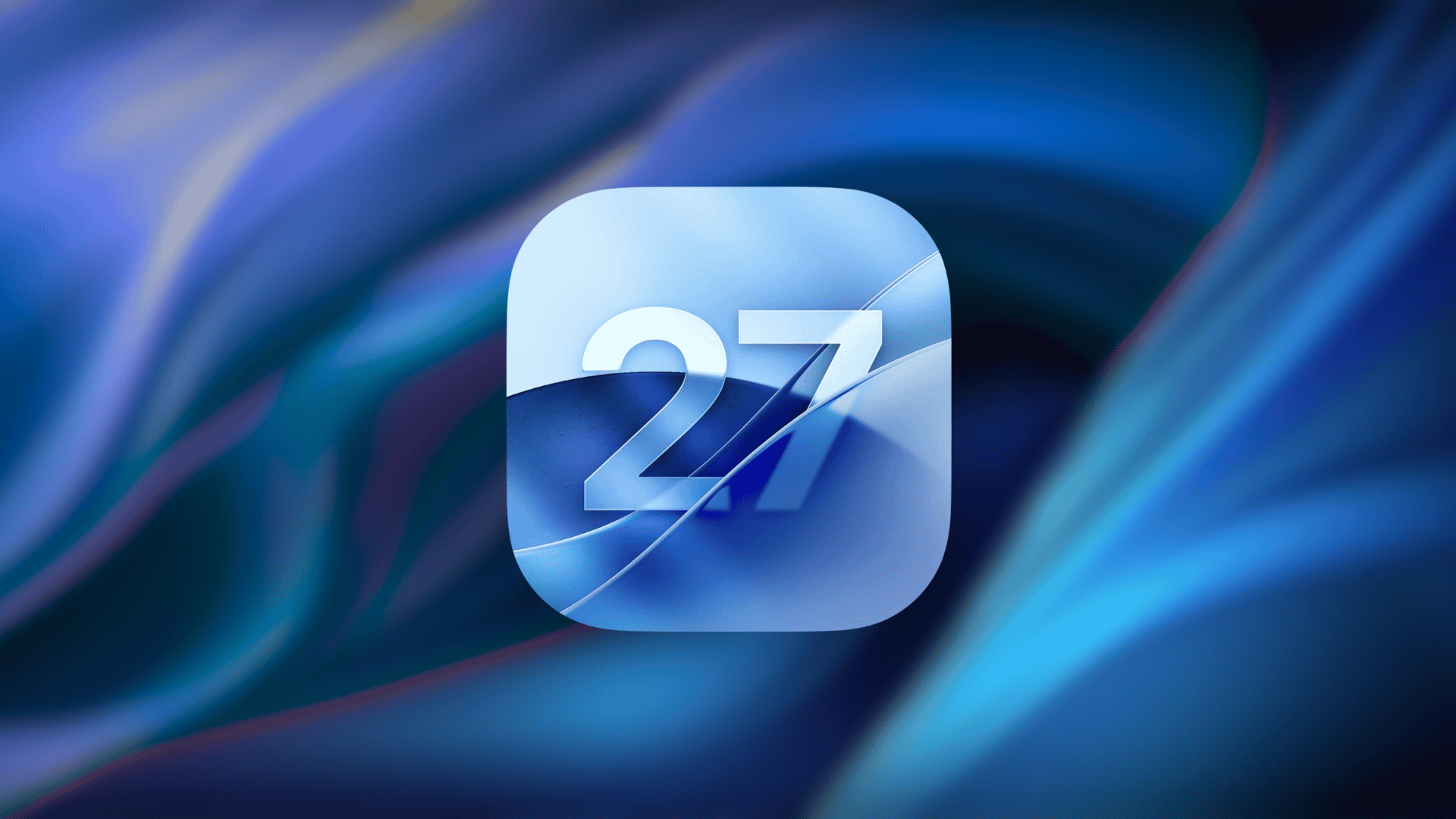
Apple is poised to unveil its latest operating system, iOS 27, at the upcoming Worldwide Developers Conference (WWDC) on June 8, 2026. As anticipation builds, reports suggest that the new update will discontinue support for several older iPhone models, marking a significant shift in device compatibility.
Discontinued Support for Older iPhone Models
According to information from the reputable leaker Instant Digital on Weibo, iOS 27 will not be compatible with the following iPhone models:
– iPhone 11
– iPhone 11 Pro
– iPhone 11 Pro Max
– iPhone SE (2nd generation)
This decision aligns with Apple’s historical pattern of phasing out support for devices that may not meet the performance requirements of newer software features. Users of these models will continue to receive security updates for iOS 26 but will miss out on the enhancements and new functionalities introduced in iOS 27.
Compatibility Requirements for iOS 27
To install iOS 27, users will need an iPhone 12 or later, or the third-generation iPhone SE. This requirement underscores Apple’s focus on leveraging the advanced capabilities of newer hardware to deliver an optimized user experience. The complete list of compatible devices includes:
– iPhone 12 series
– iPhone 13 series
– iPhone 14 series
– iPhone 15 series
– iPhone 16 series
– iPhone 17 series
– iPhone Air
Anticipated Features in iOS 27
While Apple has yet to officially disclose the features of iOS 27, several rumors and leaks provide insight into potential enhancements:
– Siri Overhaul: A significant update to Siri, referred to as Siri 2.0, is expected to introduce contextual awareness, personalized responses, and deeper integration with third-party applications.
– Foldable iPhone Support: With the anticipated release of Apple’s first foldable iPhone, iOS 27 is likely to include features tailored for foldable displays, such as split-screen functionality and optimized app layouts.
– Health Plus Platform: Elements of a new Health Plus platform may be introduced, offering users enhanced health insights and tracking capabilities.
– Improved Customization: Users can expect more options for customizing the Liquid Glass interface, including a system-wide slider to adjust opacity and other visual elements.
Implications for Users of Older Devices
For individuals using the iPhone 11 series or the second-generation iPhone SE, the lack of support for iOS 27 means they will not have access to the latest features and improvements. However, Apple is expected to continue providing critical security updates for iOS 26 to ensure these devices remain secure. Users seeking the newest functionalities and performance enhancements may need to consider upgrading to a newer iPhone model.
Conclusion
The forthcoming release of iOS 27 signifies Apple’s commitment to advancing its operating system by harnessing the capabilities of newer hardware. While this progression results in the discontinuation of support for certain older models, it paves the way for innovative features and a more refined user experience. As the official announcement approaches, users are encouraged to stay informed about the changes and consider their options to ensure they continue to enjoy the best that Apple’s ecosystem has to offer.