North Korean Hackers Exploit Fake Zoom and Teams Meetings to Target Cryptocurrency Professionals
A sophisticated cyber campaign orchestrated by the North Korean-linked group UNC1069 has been targeting professionals in the cryptocurrency and Web3 sectors. By impersonating venture capital firms and utilizing counterfeit video conferencing platforms, these attackers aim to infiltrate systems and exfiltrate digital assets, thereby supporting North Korea’s financial and strategic objectives.
Deceptive Engagement Tactics
The initial phase of this campaign involves UNC1069 operatives reaching out to potential victims through professional networking platforms such as LinkedIn and Telegram. Leveraging compromised accounts to enhance credibility, they pose as representatives of fictitious investment firms seeking partnerships. After establishing rapport, they schedule meetings using services like Calendly, directing targets to join sessions on fraudulent platforms that closely mimic legitimate ones like Zoom, Google Meet, and Microsoft Teams. These counterfeit environments are meticulously crafted, often featuring live participation from the attackers and, in some instances, deepfake videos of real executives to further deceive victims.
The ClickFix Exploit
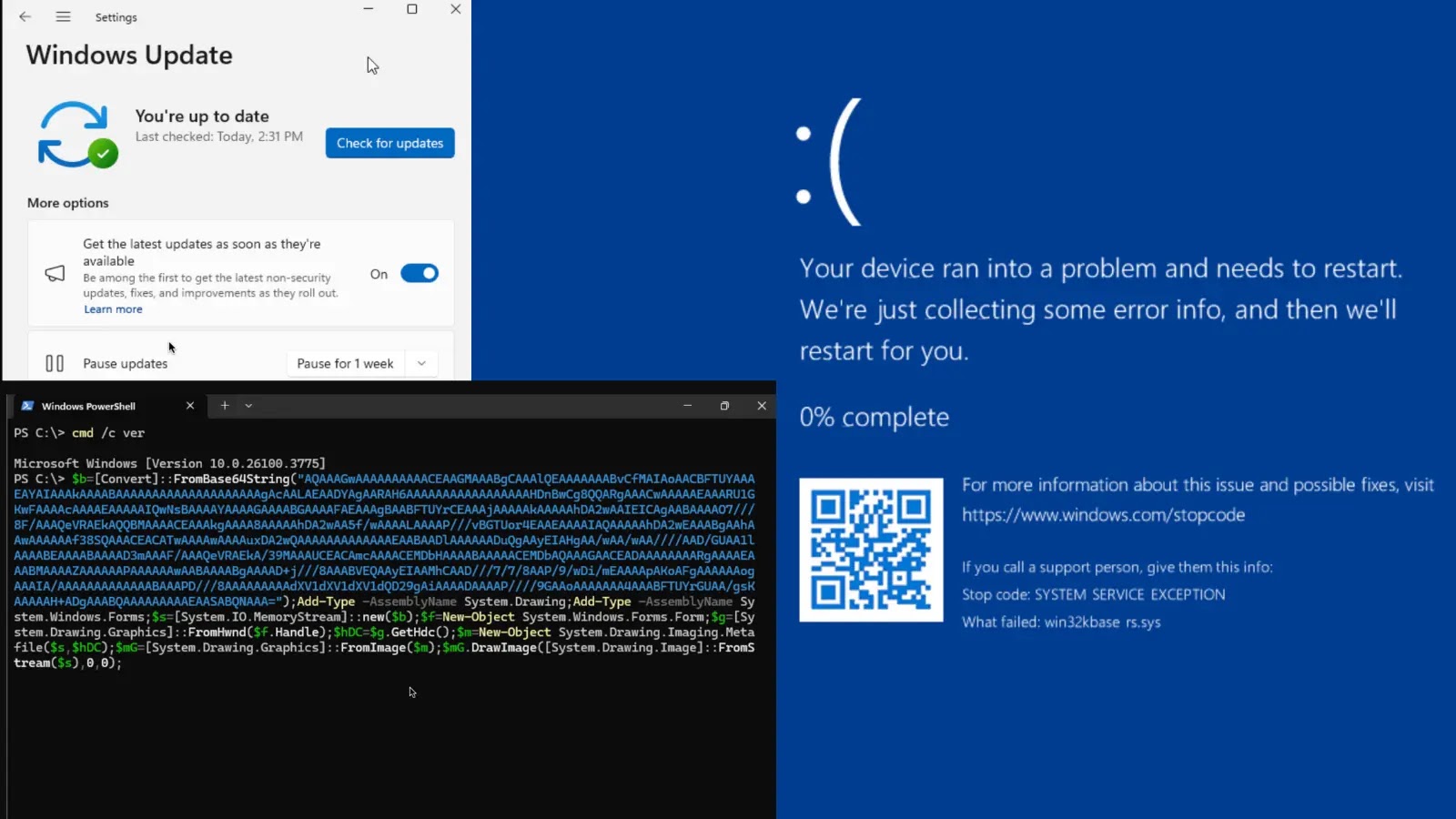
Upon joining these fake meetings, victims are informed of non-existent technical issues, such as malfunctioning microphones or cameras. The attackers then create a sense of urgency, pressuring the victims to resolve these issues promptly. This leads to the presentation of a ClickFix-style prompt, instructing victims to execute specific commands on their systems. By following these instructions, victims inadvertently download and run malicious code, granting the attackers unauthorized access to their devices.
Technical Analysis of the Malware
Security researchers have conducted in-depth analyses of the malware deployed in this campaign. The malicious payloads are tailored to the victim’s operating system, whether Windows, macOS, or Linux. On Windows systems, for example, victims are prompted to open a terminal with administrative privileges and execute commands that download and run PowerShell scripts. These scripts further download and execute VBScript files, which are updated variants of the Cabbage RAT malware, also known as CageyChameleon. This malware collects system information, including usernames, hostnames, operating system versions, and installed browser extensions, and transmits this data to attacker-controlled servers.
Broader Implications and Connections
The impact of this campaign extends beyond individual system compromises. The fake meeting platforms are designed to capture victims’ audio and video in real-time using the browser’s media devices API. This data is streamed to attacker-controlled servers via WebRTC and WebSocket channels. The recorded footage is then repurposed in subsequent social engineering attacks, making future campaigns even more convincing and harder to detect.
Further investigations have linked UNC1069 to other malicious activities, such as the recent compromise of the Axios NPM package. There are also overlaps with the Bluenoroff threat cluster, previously reported by cybersecurity firm Mandiant. These connections suggest a coordinated effort by North Korean state-sponsored actors to target financial institutions and cryptocurrency platforms to fund national programs.
Recommendations for Mitigation
To defend against such sophisticated attacks, organizations and individuals in the cryptocurrency and Web3 sectors should implement the following measures:
1. Verify Communication Channels: Always confirm the authenticity of unsolicited communications, especially those involving financial transactions or sensitive information.
2. Use Official Platforms: Access video conferencing services through official channels and verify meeting links before joining.
3. Educate Employees: Conduct regular training sessions to raise awareness about social engineering tactics and phishing schemes.
4. Implement Multi-Factor Authentication (MFA): Enhance account security by requiring multiple forms of verification.
5. Regular Security Audits: Perform periodic assessments of systems and networks to identify and address vulnerabilities.
By adopting these proactive measures, organizations can reduce the risk of falling victim to such elaborate cyber threats.