Google’s New Screenless Fitbit Band: A Closer Look at the Upcoming Fitness Tracker
In recent developments, Google has been subtly showcasing its latest innovation in fitness tracking—a screenless Fitbit band designed to rival popular devices like the Whoop band. This new wearable has been discreetly featured in various public appearances, particularly by NBA star and Google’s Performance Advisor, Steph Curry.
Public Appearances and Design Insights
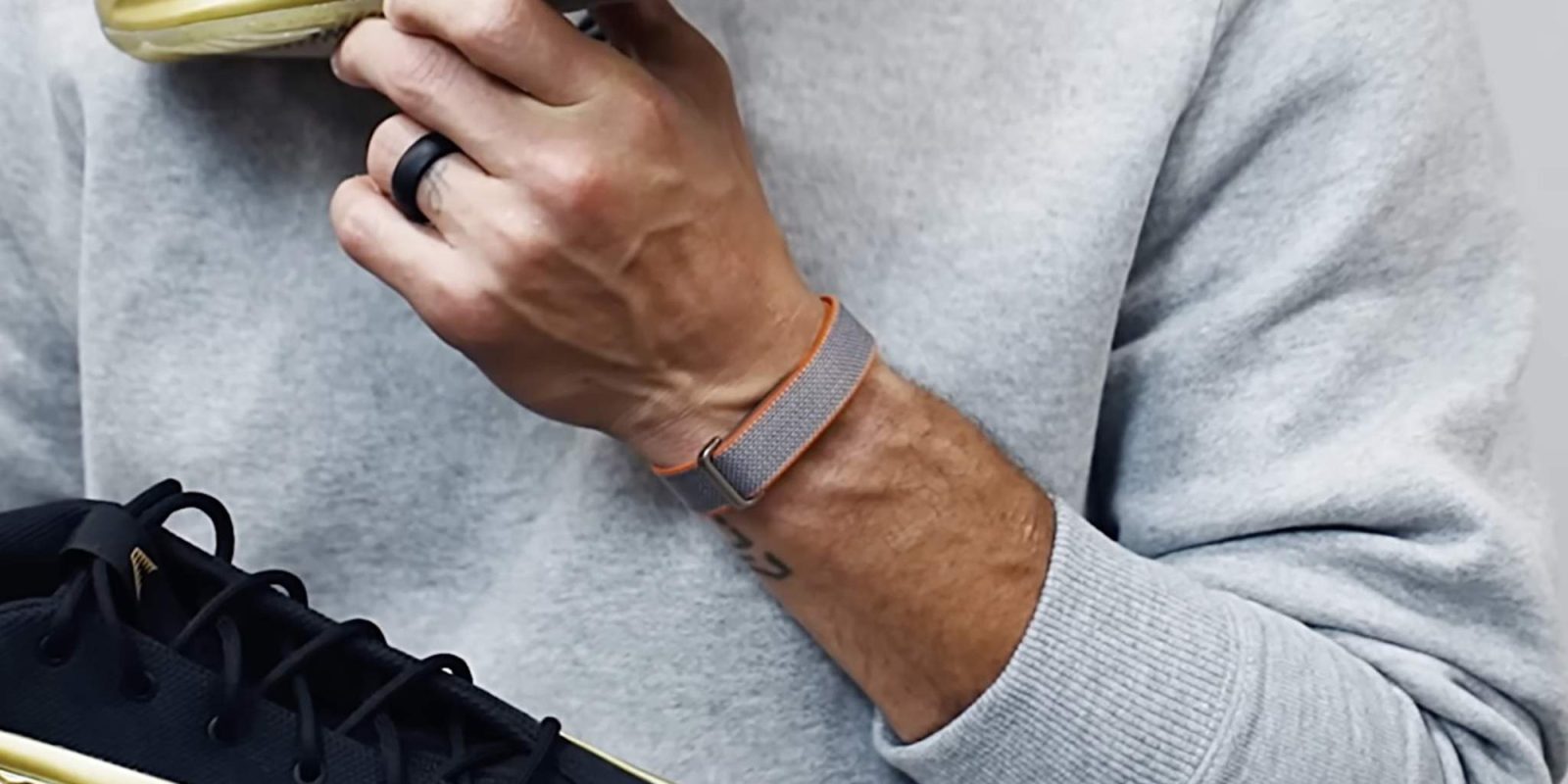
Since January, Curry has been spotted wearing this minimalist fitness band in multiple settings, including social media videos, press conferences, and other public events. The band, notably devoid of a display, is sleek and thin, with a design reminiscent of existing Fitbit products and Pixel Watch bands. Its material and form factor suggest a focus on comfort and continuous wearability, aligning with the trend of unobtrusive fitness tracking devices.
Software Integration and User Interface
Beyond its physical design, glimpses into the software experience of this new Fitbit band have emerged. A Live data page within the Fitbit app has been observed, displaying metrics such as Cardio Load, heart rate, calories burned, and elapsed workout time. This interface, showcased on a Pixel phone in a behind-the-scenes vlog ahead of the NBA All-Star Weekend, indicates a seamless integration with Google’s ecosystem. The user interface appears to be an extension of the existing Fitbit app, suggesting that users can expect a familiar yet enhanced experience.
Strategic Implications and Market Positioning
The introduction of a screenless Fitbit band signifies Google’s strategic move to diversify its wearable offerings. By focusing on a minimalist design, the company aims to cater to users seeking a discreet yet effective fitness tracker. This approach not only broadens Fitbit’s product portfolio but also positions Google competitively against other screenless fitness devices in the market.
Anticipated Features and Functionality
While specific details about the band’s features remain under wraps, the observed software interface suggests a comprehensive suite of fitness tracking capabilities. Users can likely expect real-time monitoring of key health metrics, integration with the Fitbit app for data analysis, and possibly new functionalities tailored to the screenless design. The emphasis on a display-free device may also lead to extended battery life, addressing a common concern among wearable users.
Market Impact and Consumer Expectations
The unveiling of this new Fitbit band has generated considerable interest among tech enthusiasts and fitness aficionados. Its discreet design and integration with Google’s ecosystem are poised to attract a segment of consumers who prefer unobtrusive fitness tracking solutions. As the wearable technology market continues to evolve, Google’s foray into screenless devices reflects a broader trend towards personalized and seamless health monitoring.
Conclusion
Google’s forthcoming screenless Fitbit band represents a significant step in the evolution of fitness wearables. By combining minimalist design with robust functionality, the company is set to offer a device that aligns with modern user preferences for simplicity and efficiency. As anticipation builds, consumers eagerly await official announcements detailing the band’s features, availability, and how it will integrate into the broader Fitbit and Google ecosystems.