Amazon S3 Files: Transforming S3 Buckets into Fully Functional File Systems
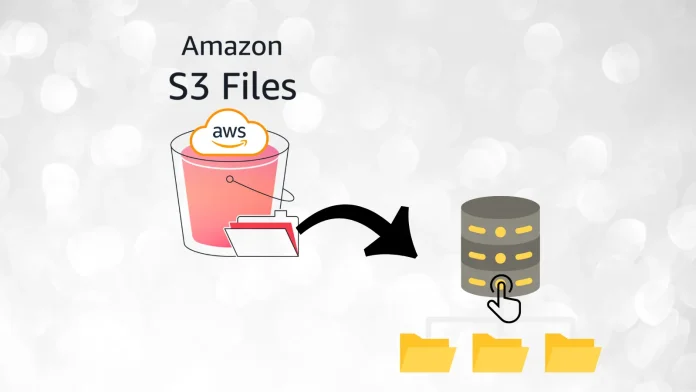
Amazon Web Services (AWS) has unveiled Amazon S3 Files, a groundbreaking feature that enables organizations to access their Amazon S3 buckets directly as fully functional shared file systems. This innovation eliminates the need for data movement or duplication, streamlining operations and enhancing security.
Addressing Traditional Challenges
Historically, organizations storing analytics data in S3 encountered significant challenges. Standard file-based tools and applications couldn’t interact directly with cloud object storage, necessitating the management of separate file systems and the creation of complex synchronization pipelines. This not only increased operational overhead but also expanded the potential attack surface by introducing unnecessary data copies.
Bridging Object and File Storage
Amazon S3 Files effectively bridges the gap between object storage and file-based computing. Built upon Amazon Elastic File System (EFS), this service connects any AWS compute resource—including instances, containers, and serverless functions—directly to S3 data. It intelligently translates standard file system operations into efficient S3 API requests in the background. Since the data remains within the S3 bucket, organizations can maintain centralized security postures, access controls, and compliance boundaries without compromise.
Key Technical Advantages
Amazon S3 Files offers several operational and security benefits:
– Simultaneous Access: Applications can interact with data through standard file system protocols and directly via S3 APIs simultaneously.
– Zero Data Duplication: Applications process data in place, reducing data silos and minimizing security risks associated with copying sensitive datasets.
– High Performance: The service automatically caches frequently used data for low-latency access and supports aggregate read throughput of multiple terabytes per second.
– Seamless Integration: File-based tools and legacy applications require no code changes to operate directly on existing S3 data.
Implications for Modern Computing Workloads
Treating S3 as a native file system offers significant advantages for modern computing workloads. Artificial intelligence agents can now persist memory and share state across pipelines natively. Machine learning teams can perform extensive data preparation directly on the S3 bucket without staging files in temporary environments.
Enhanced Cybersecurity
From a cybersecurity perspective, centralizing data access provides security teams with better visibility. Administrators can focus on threat detection and access control for the primary S3 repository rather than managing scattered, duplicate datasets.
Availability
Amazon S3 Files is now generally available in 34 regions, combining the scalability of object storage with the simplicity of a file system.