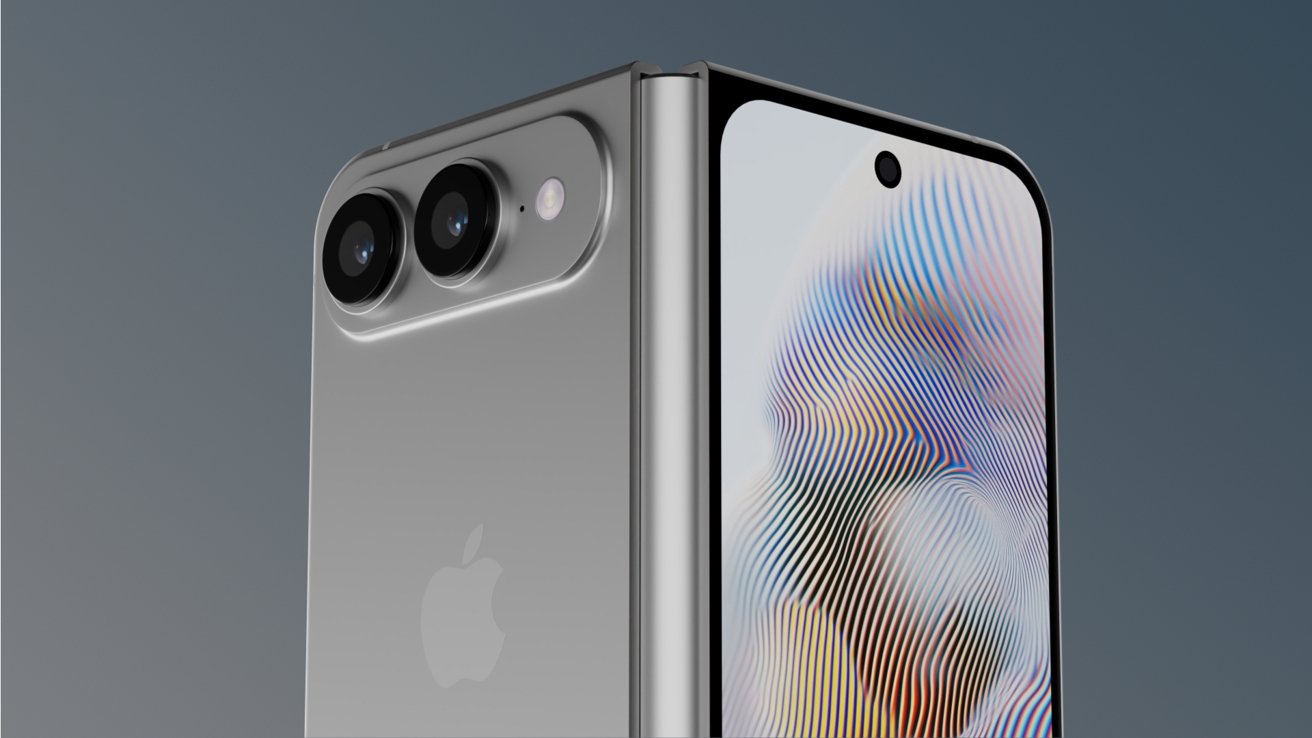
Apple’s iPhone Fold: Innovation or Redundancy?
Apple’s forthcoming iPhone Fold has ignited a spectrum of opinions within the tech community. While some view it as a groundbreaking advancement, others question its necessity in an already saturated market.
Design and Features
The iPhone Fold is anticipated to showcase a book-style foldable design, featuring a 7.8-inch internal display and a 5.5-inch external screen. This configuration aims to provide users with a compact device that unfolds into a larger display, enhancing multitasking and media consumption. Apple is reportedly addressing common foldable phone issues, such as screen creases, by implementing innovative metal plates to ensure a smoother display. ([macworld.com](https://www.macworld.com/article/2629813/apple-folding-iphone-design-display-specs-release.html?utm_source=openai))
Under the hood, the device is expected to be powered by Apple’s A20 processor, coupled with 12GB of RAM, ensuring robust performance. Storage options may range from 256GB to 1TB, catering to various user needs. Additionally, the iPhone Fold might reintroduce Touch ID via a power button, moving away from the Face ID system. ([macworld.com](https://www.macworld.com/article/2629813/apple-folding-iphone-design-display-specs-release.html?utm_source=openai))
Release Timeline
Initial reports suggested a September 2026 launch alongside the iPhone 18 series. However, recent insights indicate potential delays due to engineering challenges encountered during early test production phases. These issues could push the release to December 2026 or even into 2027. ([techradar.com](https://www.techradar.com/phones/iphone/the-iphone-fold-could-be-facing-issues-but-at-least-weve-seen-new-dummy-units?utm_source=openai))
Market Position and Pricing
Positioned as a premium device, the iPhone Fold is expected to carry a price tag between $2,000 and $2,400. This pricing strategy places it in direct competition with other high-end foldable smartphones, such as Samsung’s Galaxy Z Fold series. Apple’s production targets are ambitious, with plans to produce between 8 to 10 million units in the first year, aiming to double that number by 2027. ([tomsguide.com](https://www.tomsguide.com/phones/iphones/new-report-reveals-when-apple-could-potentially-release-its-foldable-iphone-and-ipad-what-we-know-so-far?utm_source=openai))
Industry Context
The foldable smartphone market has seen significant growth since 2019, with several manufacturers introducing their versions. Apple’s entry into this segment is seen as a strategic move to capture a share of this emerging market. However, the company faces challenges in ensuring the durability and functionality of the foldable design, especially given the issues encountered during the engineering verification phases. ([t3.com](https://www.t3.com/tech/phones/the-iphone-fold-may-not-be-ready-as-soon-as-we-thought?utm_source=openai))
Conclusion
The iPhone Fold represents Apple’s foray into the foldable smartphone arena, blending innovation with the company’s signature design philosophy. While it promises enhanced user experiences through its unique form factor and features, questions remain about its necessity and potential impact on the market. As Apple navigates the challenges of bringing this device to market, consumers and industry observers alike await to see if the iPhone Fold will redefine smartphone standards or become a niche product in Apple’s lineup.