Iranian Hackers Escalate Attacks on U.S. Critical Infrastructure Amid Rising Tensions
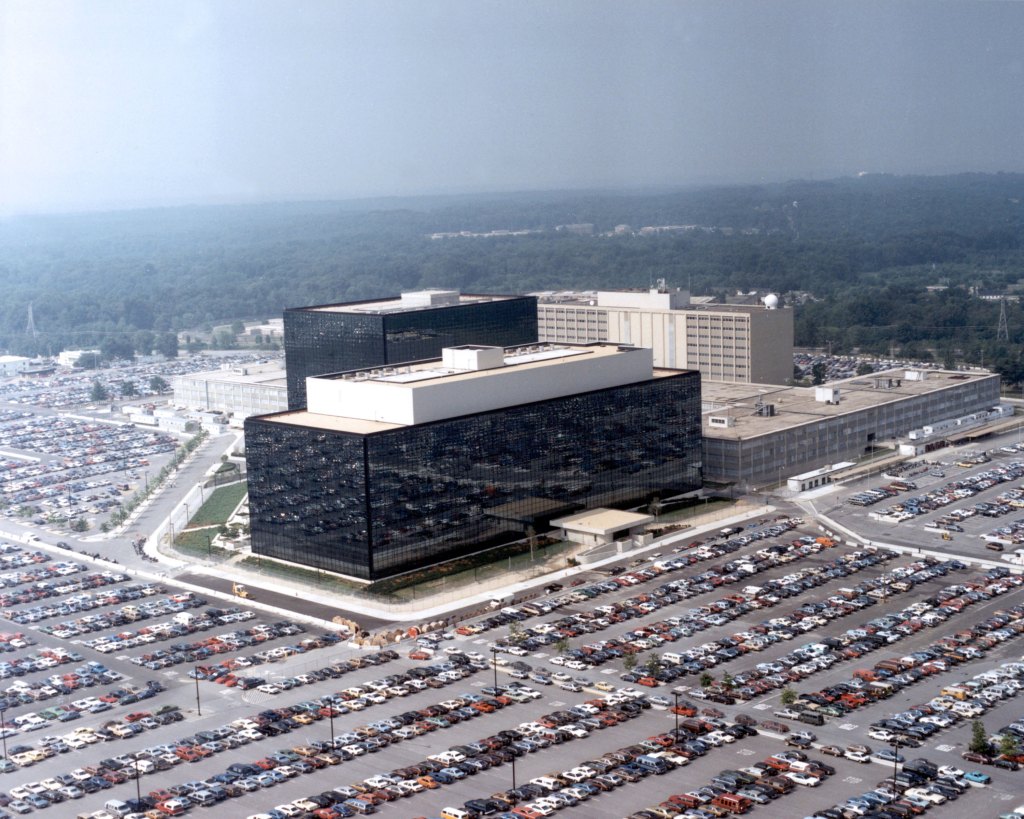
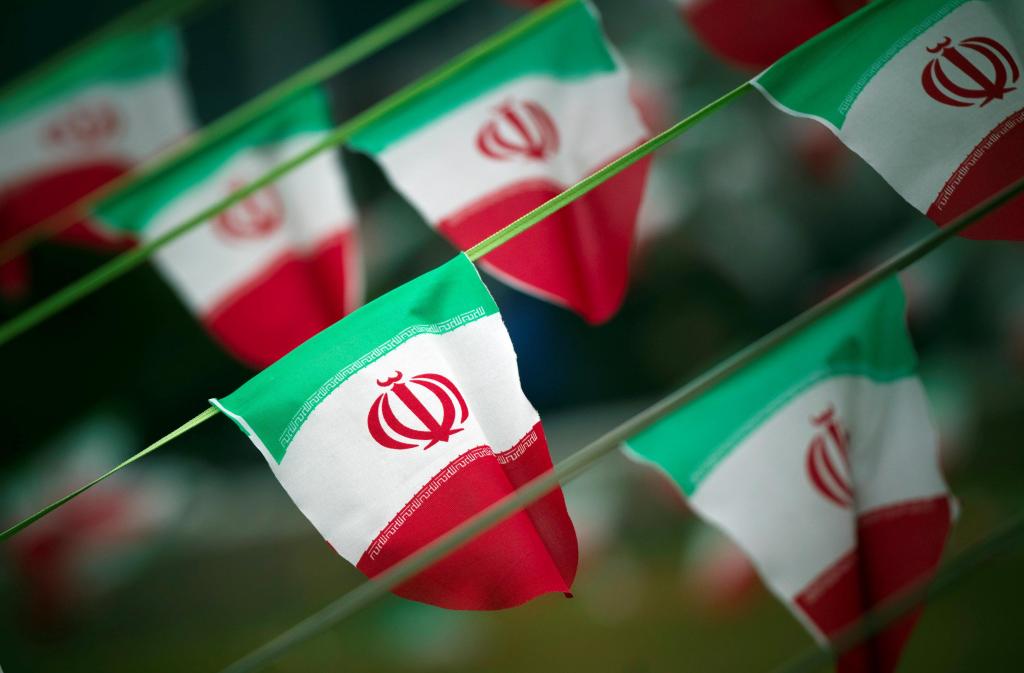
In a significant escalation of cyber threats, U.S. federal agencies have issued a joint advisory warning that Iranian government-backed hackers are intensifying their attacks on American critical infrastructure. The advisory, released on April 7, 2026, by the Federal Bureau of Investigation (FBI), the National Security Agency (NSA), the Cybersecurity and Infrastructure Security Agency (CISA), and the Department of Energy, highlights a concerted effort by Iranian cyber operatives to disrupt essential services within the United States.
Targeted Sectors and Methods
The advisory specifies that Iranian hackers have been exploiting vulnerabilities in internet-facing systems across various sectors, including water and wastewater utilities, energy facilities, and local government operations. By compromising programmable logic controllers (PLCs) and supervisory control and data acquisition (SCADA) systems—integral components for managing industrial equipment—these cyber actors have managed to manipulate critical information displays and alter device configurations. Such intrusions have already led to operational disruptions and financial losses, underscoring the severity of the threat.
Context of Escalation
This surge in cyberattacks is viewed as a direct response to the ongoing U.S.-Israel conflict with Iran, which commenced on February 28, 2026, following airstrikes that resulted in the death of Iran’s leader. The geopolitical tensions have seemingly galvanized Iranian cyber operations, aiming to retaliate against perceived aggressions by targeting U.S. infrastructure.
Notable Incidents
One prominent group implicated in these activities is Handala, an Iranian government-backed hacking collective. Handala has claimed responsibility for several high-profile cyberattacks, including a disruptive breach at U.S. medical technology giant Stryker. In this incident, the hackers remotely wiped thousands of employee devices using the company’s own security tools, causing significant operational challenges. Additionally, Handala has been linked to the unauthorized access and partial disclosure of FBI Director Kash Patel’s private email account, further demonstrating their capability and intent to target high-profile individuals and organizations.
Government Response and Warnings
The U.S. government’s advisory serves as a critical alert to organizations operating within essential sectors to bolster their cybersecurity defenses. The agencies emphasize the importance of implementing robust security measures, conducting regular system audits, and staying vigilant against potential intrusions. The advisory also underscores the evolving nature of cyber threats and the need for continuous adaptation to counteract sophisticated adversaries.
Implications for National Security
The targeting of critical infrastructure by state-sponsored actors like Iran poses significant risks to national security and public safety. Disruptions to essential services such as water supply, energy distribution, and governmental operations can have cascading effects, impacting millions of citizens and the economy at large. The current wave of cyberattacks highlights the necessity for a coordinated response and the strengthening of cyber resilience across all sectors.
Recommendations for Organizations
In light of these developments, organizations are urged to:
– Enhance Cybersecurity Posture: Implement comprehensive security frameworks that include intrusion detection systems, firewalls, and regular software updates to mitigate vulnerabilities.
– Conduct Regular Training: Educate employees on recognizing phishing attempts and other common cyber threats to reduce the risk of social engineering attacks.
– Develop Incident Response Plans: Establish and regularly update incident response protocols to ensure swift action in the event of a cyber intrusion.
– Collaborate with Authorities: Maintain open lines of communication with federal agencies to receive timely threat intelligence and support.
Conclusion
The recent advisory from U.S. federal agencies serves as a stark reminder of the persistent and evolving cyber threats posed by state-sponsored actors. As geopolitical tensions continue to influence cyber activities, it is imperative for organizations, especially those within critical infrastructure sectors, to remain vigilant and proactive in their cybersecurity efforts. By adopting robust security measures and fostering collaboration with governmental bodies, the resilience of national infrastructure against such threats can be significantly enhanced.