Google Pixel Positioned to Thrive Amid 2026 Smartphone Market Challenges
The smartphone industry is bracing for a tumultuous 2026, with escalating memory prices and rising component costs threatening to inflate device prices and dampen consumer demand. Amid these challenges, Google’s Pixel series is strategically positioned to capitalize on shifting market dynamics, particularly within the accessible flagship segment.
Escalating Costs and Market Implications
Recent analyses indicate a persistent increase in memory prices, contributing to higher Bills of Materials (BoM) for smartphone manufacturers. Projections from Counterpoint Research suggest that these rising costs could add $150 or more to manufacturing expenses, potentially leading to a 25% increase in retail prices—approximately $200 per device. This trend is expected to significantly impact consumer purchasing decisions, especially in price-sensitive markets.
The Rise of Accessible Flagships
In response to these economic pressures, the market is witnessing a surge in demand for accessible flagships—devices priced between $700 and $999 that offer high-end specifications without the premium price tag. This segment has experienced substantial growth, with sales increasing by up to 54% in regions such as the Middle East, Africa, Latin America, and Europe. Consumers in these areas are prioritizing reliable performance and essential features over luxury additions.
Google Pixel’s Strategic Positioning
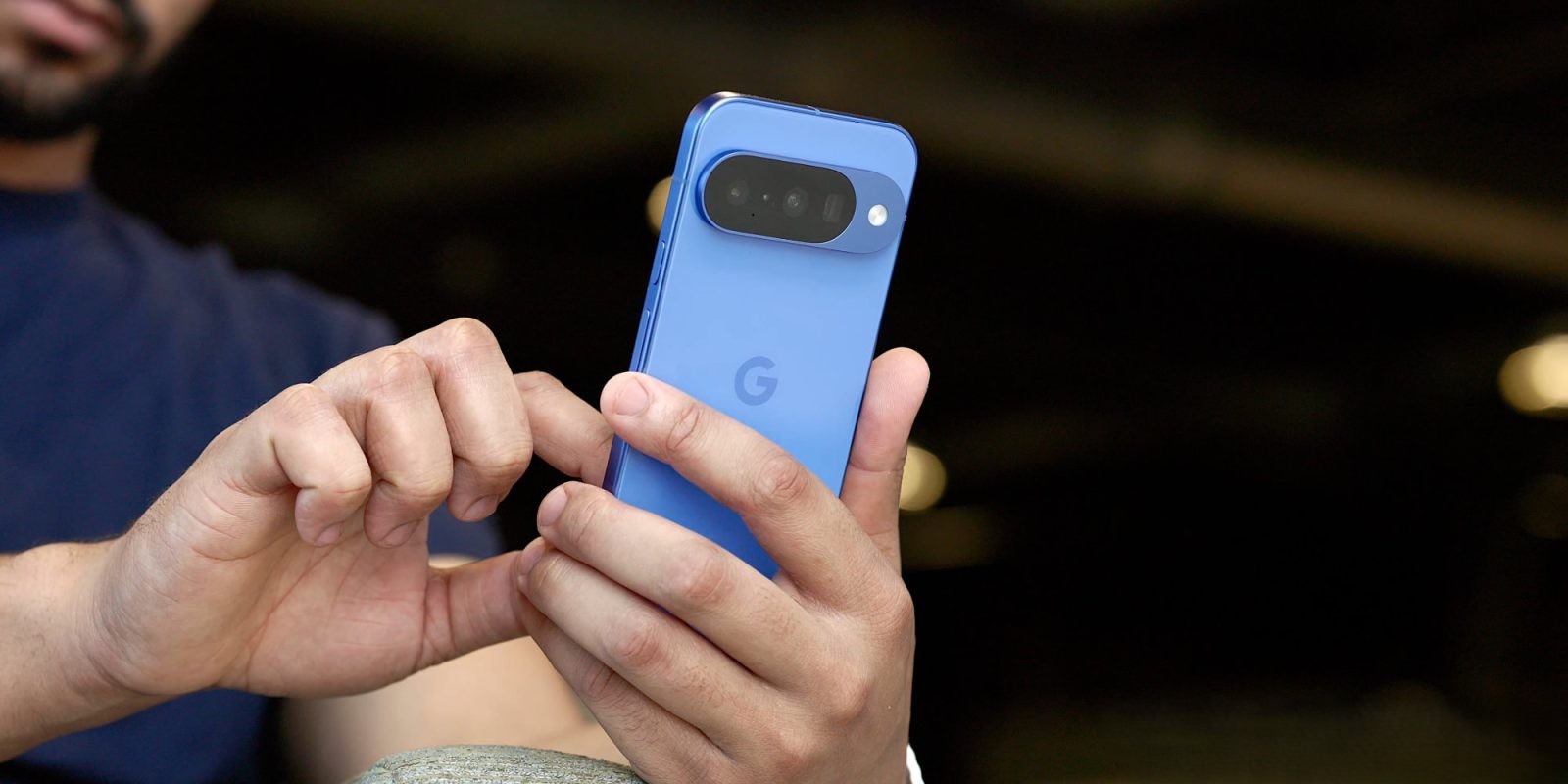
The Google Pixel series is well-aligned with this emerging market trend. The Pixel 10, for instance, starts at $799 and offers a robust set of features, including 12GB of RAM, the Tensor G5 processor, and a 4,970mAh battery. Even the higher-end Pixel 10 Pro XL remains competitively priced just above $1,000. These devices often benefit from additional discounts, enhancing their appeal to cost-conscious consumers.
In contrast, competitors like Samsung’s Galaxy S26 series have introduced minimal upgrades alongside price increases, making them less attractive to budget-sensitive buyers. The Galaxy S26 Ultra, while offering advanced features, is priced significantly higher, placing it outside the accessible flagship category.
Market Outlook and Google’s Potential
If Google continues to deliver meaningful upgrades within the $800 price range, the Pixel series is poised to gain popularity on a global scale. In markets like the United States, where competitors such as Honor have limited presence, Google stands to benefit significantly. By focusing on delivering value-driven devices that meet consumer needs without unnecessary frills, Google can solidify its position as a leading player in the accessible flagship segment.