Apple AirPods: The Unseen Companion in Space Exploration
In the ever-evolving landscape of space exploration, astronauts are increasingly integrating familiar consumer technologies into their daily routines aboard the International Space Station (ISS). A recent example is NASA astronaut Jessica Meir’s use of Apple AirPods during her workouts, highlighting the adaptability and utility of these devices in the unique environment of space.
The Role of AirPods in Space
The ISS is a hub of constant activity, with machinery operating around the clock to maintain life support systems and conduct scientific experiments. This continuous operation generates a significant amount of ambient noise, creating a challenging auditory environment for the crew. In a video shared by Meir, she is seen using AirPods while exercising on the Advanced Resistive Exercise Device (ARED), a machine designed to simulate weightlifting in microgravity. She notes the intense background noise and emphasizes the importance of daily exercise to counteract muscle and bone density loss in the absence of gravity.
Daily Exercise: A Necessity in Microgravity
Maintaining physical health in space is paramount. The microgravity environment leads to rapid muscle atrophy and bone density reduction, as the body lacks the natural resistance provided by Earth’s gravity. To mitigate these effects, astronauts adhere to a strict regimen of daily exercise, utilizing specialized equipment like the ARED. This device allows them to perform resistance exercises that mimic weightlifting, helping to preserve muscle mass and bone strength during extended missions.
AirPods: Enhancing the Exercise Experience
Incorporating AirPods into her workout routine allows Meir to listen to music or other audio content, providing a motivational boost and a sense of normalcy amidst the constant hum of the station. The wireless nature of AirPods offers the added benefit of unrestricted movement, a crucial factor in the confined and equipment-laden environment of the ISS. Additionally, in the event of an AirPod becoming dislodged, the absence of gravity means it would float nearby, making retrieval straightforward compared to the challenges posed by gravity-bound environments.
The Integration of Consumer Technology in Space Missions
The presence of AirPods on the ISS is part of a broader trend of integrating consumer technology into space missions. NASA has recently approved the use of modern smartphones, including the iPhone 17 Pro Max, for astronauts on missions such as Artemis II. This approval marks a significant shift, allowing astronauts to capture high-quality images and videos, document their experiences, and maintain a connection with life on Earth through familiar devices.
The Evolution of AirPods
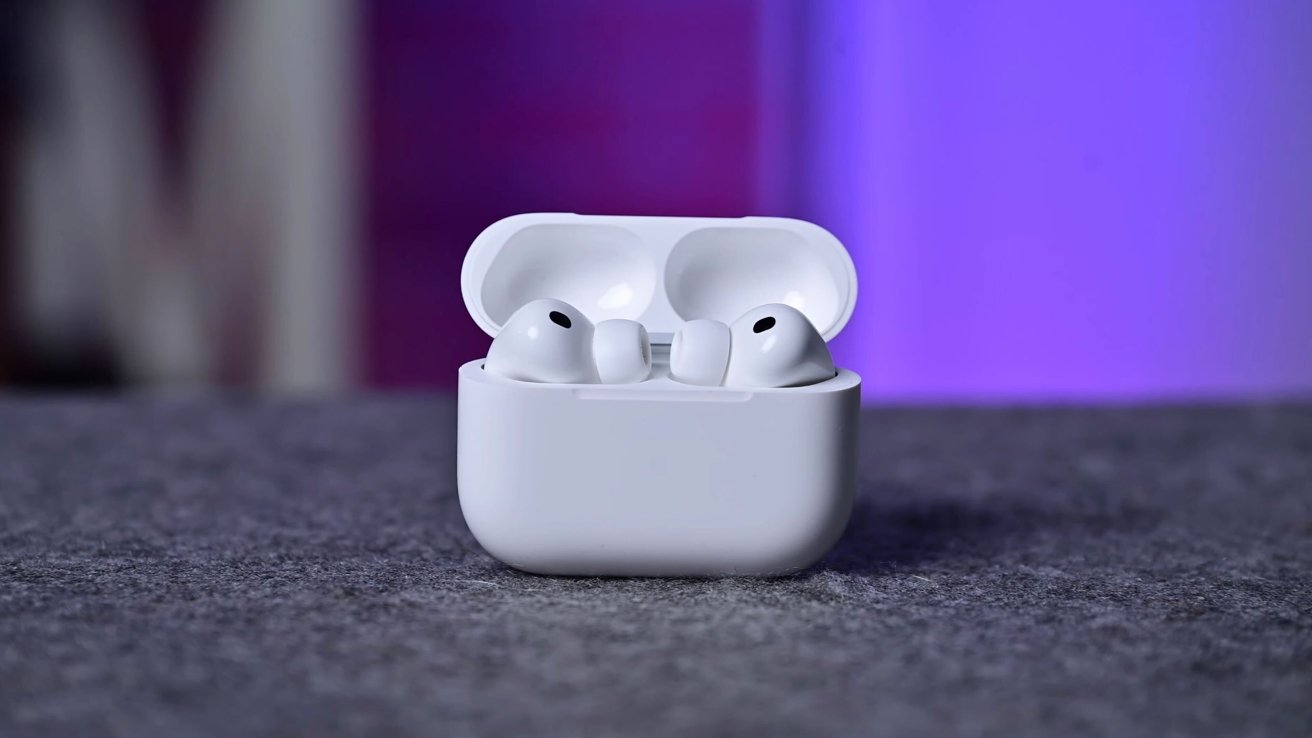
Since their initial release, AirPods have undergone several iterations, each enhancing their functionality and user experience. The third-generation AirPods introduced spatial audio, delivering immersive sound quality that adapts to the user’s head movements. Features like Adaptive EQ, sweat and water resistance, and extended battery life have made them a popular choice for consumers seeking high-quality wireless audio solutions.
AirPods in Extreme Environments
The use of AirPods in the demanding environment of space underscores their reliability and versatility. Designed to function seamlessly in various conditions, their performance aboard the ISS highlights their durability and the potential for consumer technology to meet the rigorous demands of space travel. This integration also reflects a growing trend of utilizing off-the-shelf technology to support mission objectives, offering cost-effective and efficient solutions for the challenges of space exploration.
Conclusion
The adoption of Apple AirPods by astronauts like Jessica Meir illustrates the seamless integration of consumer technology into the realm of space exploration. As missions become longer and more complex, the use of familiar devices can enhance the well-being and efficiency of crew members. This trend signifies a shift towards leveraging existing technologies to meet the unique challenges of living and working in space, paving the way for future innovations that bridge the gap between everyday consumer products and the extraordinary demands of space travel.