NHTSA Concludes Tesla’s ‘Actually Smart Summon’ Probe, Citing Minimal Risk
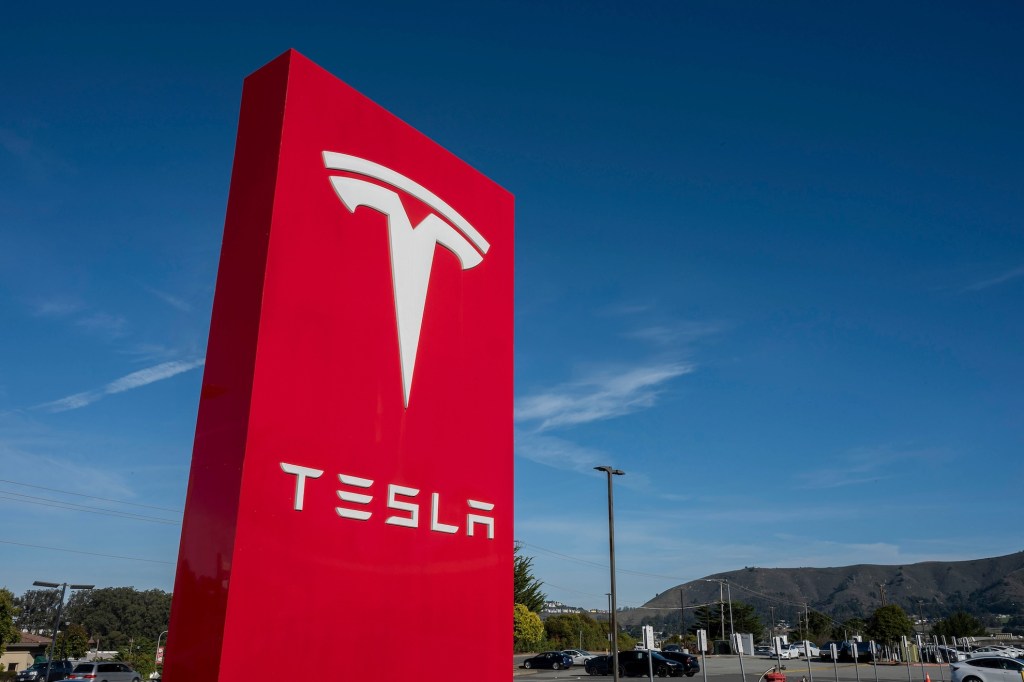
The National Highway Traffic Safety Administration (NHTSA) has concluded its investigation into Tesla’s ‘Actually Smart Summon’ feature, determining that the system poses minimal risk due to the low frequency and severity of incidents. This decision follows a comprehensive review initiated in January 2025, prompted by reports of minor collisions involving the feature.
Background on ‘Actually Smart Summon’
Introduced via a software update in September 2024, ‘Actually Smart Summon’ allows Tesla owners to remotely maneuver their vehicles at low speeds using the Tesla app. Unlike its predecessor, Smart Summon, which relied on ultrasonic sensors, this updated version operates solely through the vehicle’s camera system. The feature is designed to assist users in navigating parking lots and private properties without direct driver input.
Investigation Findings
The NHTSA’s inquiry encompassed approximately 2.59 million Tesla vehicles, including models S, X, 3, and Y equipped with Full Self-Driving capabilities. The agency identified 159 incidents related to the ‘Actually Smart Summon’ feature, with 97 involving minor collisions. Notably, these incidents accounted for less than 0.1% of the millions of Summon sessions conducted. The majority of these events resulted in minor property damage, such as vehicles making contact with parking gates, adjacent parked cars, or short bollards. Crucially, there were no reported injuries, fatalities, or significant property damage necessitating airbag deployment or vehicle towing.
Contributing Factors and Tesla’s Response
The investigation revealed that most incidents occurred early in a Summon session when either the system or the user failed to fully detect or appropriately respond to the vehicle’s surroundings. Limited visibility within the app’s camera view often contributed to these occurrences. Specific cases highlighted issues such as snow obstructing the vehicle’s cameras, leading to collisions with parked vehicles. In response, Tesla implemented a series of over-the-air software updates throughout 2025 aimed at enhancing camera blockage detection and object recognition. These updates included improvements to the vehicle’s reaction to dynamic obstacles, such as parking garage gate arms, and enhancements to the perception system for better object reconstruction.
Regulatory Conclusion and Future Implications
While the NHTSA has closed this particular investigation, it emphasized that this action does not constitute a definitive finding that a safety-related defect does not exist. The agency reserves the right to reopen the investigation if future circumstances warrant further scrutiny. This closure reflects a growing regulatory comfort with Tesla’s driver-assist features, acknowledging the company’s proactive measures to address identified issues through software enhancements.