Apple’s Unexplained App Store Updates: What You Need to Know
In a recent and unexpected move, Apple has initiated updates for a variety of third-party applications on the App Store without prior notification or clear explanation. This development has left both developers and users puzzled, as the updates do not appear to introduce new features or significant changes to the apps’ functionality.
The Unusual Updates
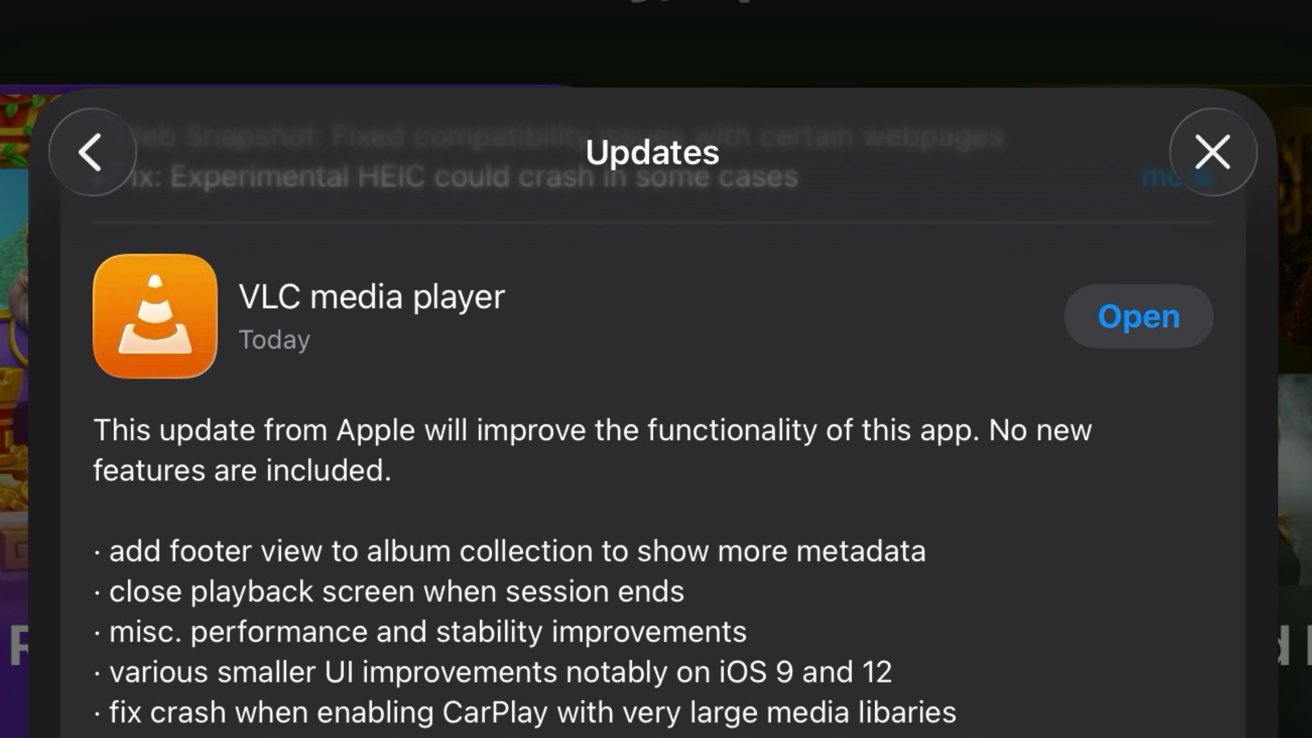
Users have reported receiving update notifications for apps such as VLC, Candy Crush Soda Saga, Mortal Kombat, Duet Display, Catan Universe, Bluetti, and Sentry Mobile. The update notes accompanying these releases state: This update from Apple will improve the functionality of this app. No new features are included. This uniform message suggests that the updates are being deployed directly by Apple, independent of the original app developers.
Developer Reactions and Speculations
The developer community has expressed confusion and concern over these unsolicited updates. On Reddit, a developer known as iSan4eZ shared, Apple inserted this text into my app and issued an update with the same version. This indicates that the updates are being pushed without developer initiation. Another developer, lazyvardev, noted, It’s rare but sometimes Apple will modify the binary for compatibility purposes, suggesting that these updates might be aimed at ensuring app compatibility with the latest iOS versions or hardware.
Apple’s History of Involvement in App Updates
Apple has a history of intervening in the App Store to maintain a high standard of app quality and functionality. The company has implemented policies to remove outdated or non-functional apps. For instance, in 2022, Apple removed approximately 540,000 abandoned apps from the App Store. Additionally, in 2016, Apple updated several older apps to display the Apple Watch icon, ensuring compatibility with new hardware.
Potential Reasons Behind the Updates
While Apple has not provided an official explanation for these recent updates, several theories have emerged:
1. Compatibility Enhancements: The updates may be aimed at ensuring that apps remain compatible with the latest iOS versions and devices, preventing potential crashes or performance issues.
2. Security Patches: Apple might be addressing security vulnerabilities within these apps to protect user data and maintain the integrity of the App Store ecosystem.
3. Backend Improvements: The updates could involve changes to Apple’s backend systems, requiring minor adjustments to existing apps to ensure seamless integration and functionality.
Implications for Developers and Users
For developers, these unsolicited updates raise questions about control and transparency. Typically, developers are responsible for submitting updates to their apps, and Apple’s direct intervention without prior communication can be unsettling. It underscores the importance of maintaining open lines of communication between Apple and the developer community to ensure mutual understanding and collaboration.
Users, on the other hand, may be concerned about the nature of these updates and the lack of detailed information provided. While the updates claim to improve functionality without adding new features, the absence of specific details can lead to uncertainty and mistrust.
Apple’s App Store Policies
Apple’s proactive approach to app maintenance aligns with its App Store policies, which emphasize the importance of keeping apps up to date and functional. According to Apple’s App Store Improvements guidelines, the company evaluates apps to ensure they function as intended, adhere to current review guidelines, and are up to date. Developers of apps that have not been updated within the last three years and fail to meet a minimal download threshold receive notifications about potential removal from the App Store.
Conclusion
Apple’s recent actions in updating third-party apps without explicit developer involvement highlight the company’s commitment to maintaining a high-quality and secure App Store environment. However, the lack of transparency and communication regarding these updates has led to confusion and concern among developers and users alike. Moving forward, it would be beneficial for Apple to provide clear explanations and engage in open dialogue with the developer community to foster trust and collaboration.