Pixel 10a: A Comprehensive Review After One Month
The Google Pixel 10a, launched in February 2026, has been in users’ hands for over a month now. While it may appear to be a modest upgrade from its predecessor, the Pixel 9a, a closer examination reveals that the Pixel 10a offers a refined experience that belies its budget-friendly price point.
Design and Build Quality
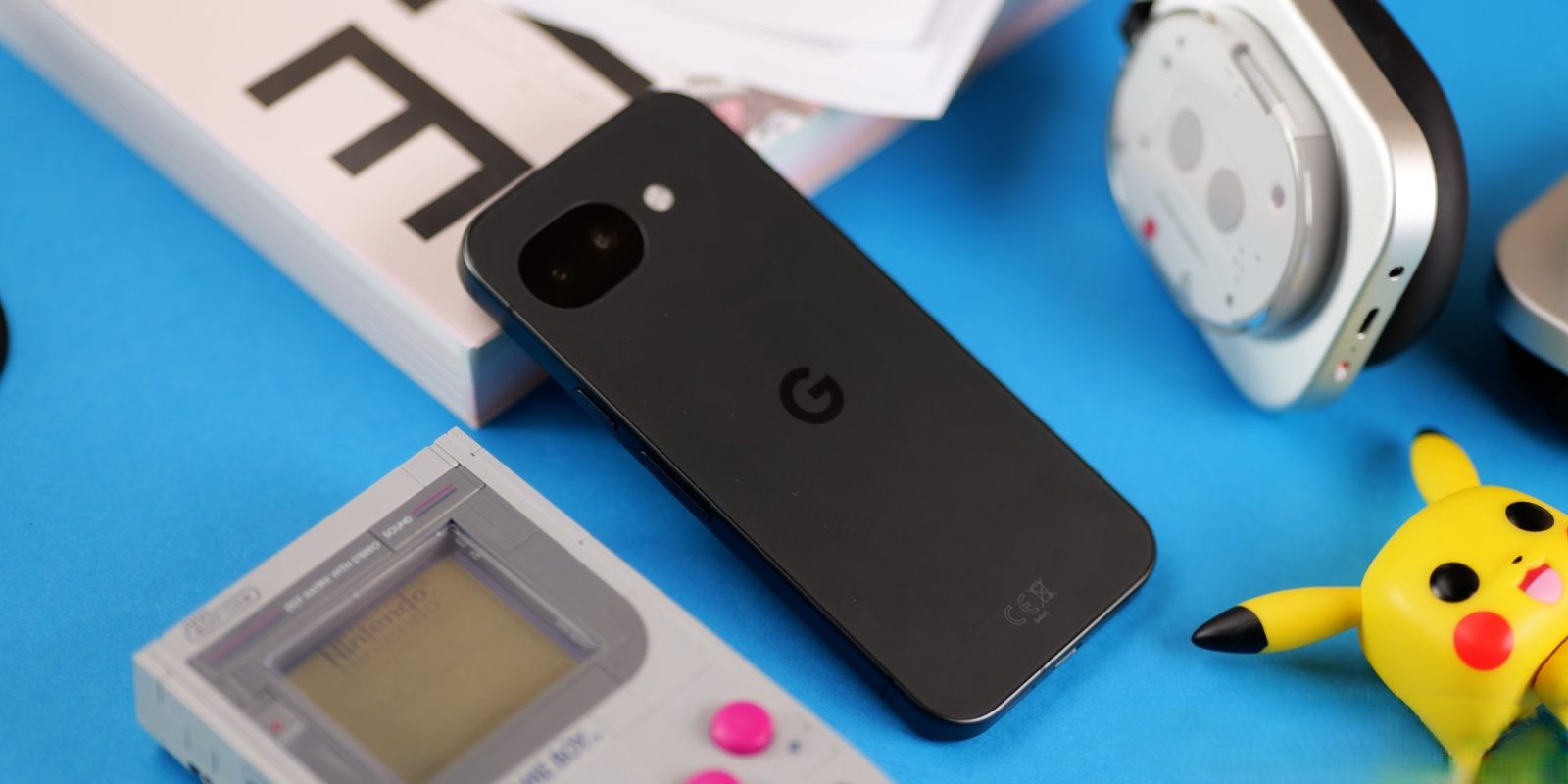
At first glance, the Pixel 10a closely resembles the Pixel 9a, maintaining a minimalist and functional design. The device features a completely flat form factor, eliminating any camera bumps or protrusions. This design choice not only enhances the phone’s aesthetic appeal but also provides a comfortable in-hand feel. The absence of a camera bump means the device lies flat on surfaces, preventing any wobbling—a subtle yet appreciated improvement.
The Pixel 10a is available in four color options: Obsidian (black), Fog (off-white/green), Lavender (blue/purple), and the vibrant Berry (red/pink). The Berry variant, in particular, has garnered attention for its bold and eye-catching hue, reminiscent of the Berry color introduced with the Nest Cam. This diverse color palette allows users to choose a device that best suits their personal style.
Durability has also seen an upgrade. The Pixel 10a is equipped with Gorilla Glass 7i, offering enhanced scratch and drop resistance compared to the Gorilla Glass 3 used in previous A-Series models. Additionally, the device boasts an IP68 rating for dust and water resistance, ensuring it can withstand everyday challenges. The satin aluminum frame adds a touch of elegance while contributing to the phone’s overall sturdiness.
Display
The Pixel 10a sports a 6.3-inch Actua display with a resolution of 1080 x 2424 pixels. The pOLED panel supports a 60-120Hz refresh rate, ensuring smooth scrolling and responsive touch interactions. Brightness levels have been improved, with the display reaching up to 2000 nits in HDR mode and peaking at 3000 nits. This enhancement ensures excellent visibility even under direct sunlight. Google has also reduced the bezels by approximately 10%, resulting in a more immersive viewing experience.
Performance
Under the hood, the Pixel 10a is powered by Google’s Tensor G4 chipset, paired with 8 GB of RAM. This combination delivers reliable performance for daily tasks, multitasking, and even moderate gaming. While it may not match the raw power of flagship devices, the Pixel 10a handles most applications with ease, providing a smooth and responsive user experience.
Battery Life and Charging
The device houses a 5,100 mAh battery, identical in capacity to its predecessor. However, software optimizations have led to slightly improved battery life. According to EU energy labels, the Pixel 10a achieves an endurance of 53 hours and 14 minutes, compared to the Pixel 9a’s 52 hours and 19 minutes. While the difference is modest, it translates to longer usage between charges.
Charging capabilities have also seen an upgrade. The Pixel 10a supports 30W wired charging, up from 27W in the previous model, and 10W wireless charging, an improvement over the earlier 7.5W. These enhancements ensure quicker recharging times, keeping users connected throughout the day.
Camera System
The Pixel 10a continues Google’s tradition of delivering impressive camera performance in its A-Series lineup. The device features a dual-camera setup on the rear: a 48MP main sensor with an f/1.7 aperture and a 13MP ultra-wide lens with a 120° field of view. The front-facing camera is a 13MP sensor, suitable for selfies and video calls.
While the hardware remains similar to the Pixel 9a, software enhancements and computational photography techniques contribute to improved image quality. Photos exhibit accurate colors, good dynamic range, and impressive low-light performance. The ultra-wide lens allows for creative compositions, capturing expansive scenes without significant distortion.
Software and Features
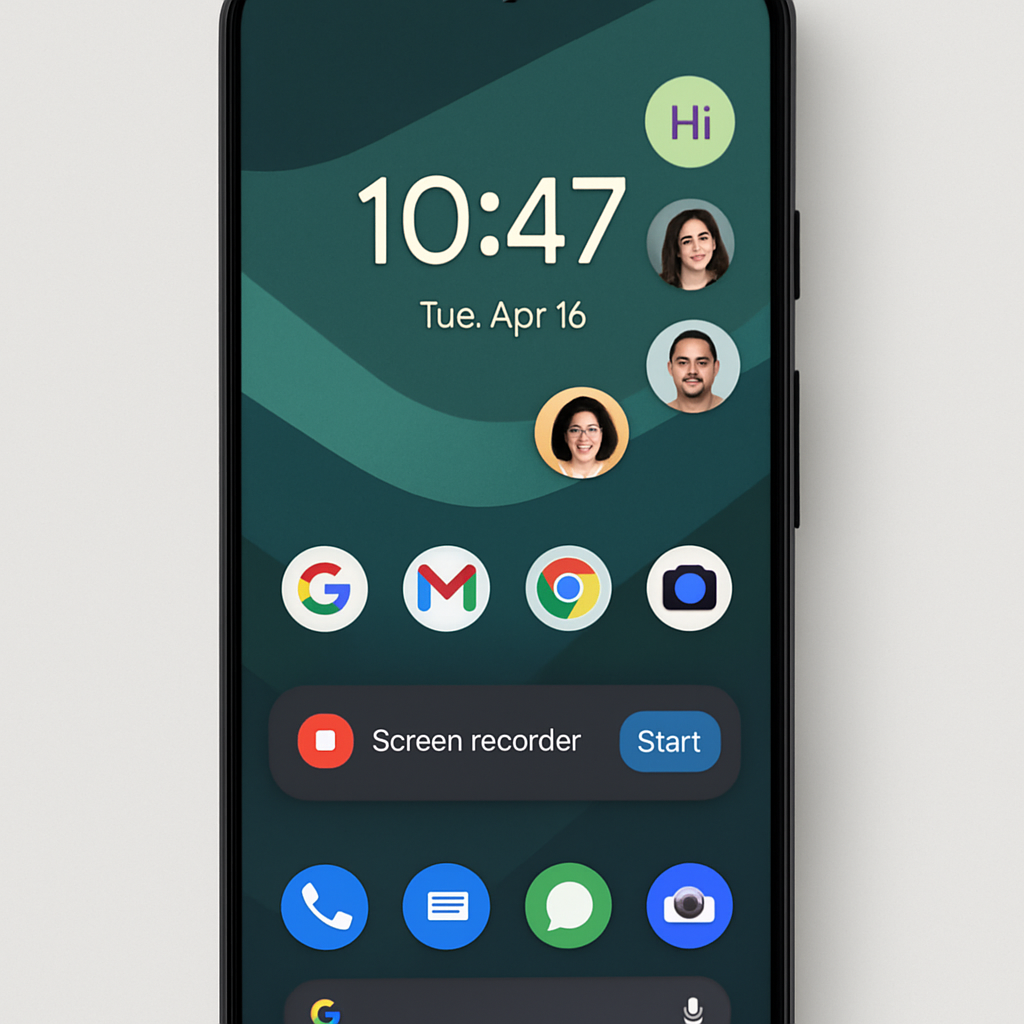
Running on Android 16, the Pixel 10a offers a clean and intuitive user interface. Google’s commitment to timely updates ensures that users receive the latest features and security patches promptly. The device also includes exclusive Pixel features such as Hold for Me, which assists users during phone calls by waiting on hold and notifying them when a representative is available.
One notable omission is the lack of Pixelsnap magnets, a feature present in higher-end Pixel models that facilitates magnetic attachment to accessories. While this may be a drawback for some users, it is a reasonable compromise given the device’s price point.
Connectivity and Storage
The Pixel 10a supports Bluetooth 6.0, ensuring faster and more stable connections with compatible devices. It also retains a physical SIM card slot, a feature that some users prefer over eSIM-only configurations. The device comes with 128GB of internal storage, providing ample space for apps, photos, and media.
Pricing and Value
Priced at €499 in Europe, the Pixel 10a offers excellent value for money. Google has also provided boosted trade-in values for older devices, making the upgrade more accessible. For instance, owners of the Pixel 4a and Pixel 5a can receive a $100 trade-in credit towards the Pixel 10a. Additionally, Google has sent out discount codes ranging from $50 to $150 off the Pixel 10a, further enhancing its affordability.
Conclusion
After a month of use, the Pixel 10a proves to be more than just a minor upgrade over its predecessor. Its combination of thoughtful design, reliable performance, improved battery life, and camera capabilities make it a compelling choice in the mid-range smartphone market. While it may not boast groundbreaking innovations, the Pixel 10a excels in delivering a balanced and refined user experience that exceeds the sum of its parts.