iOS 26 Enhances iPhone Performance with Optimized Animations
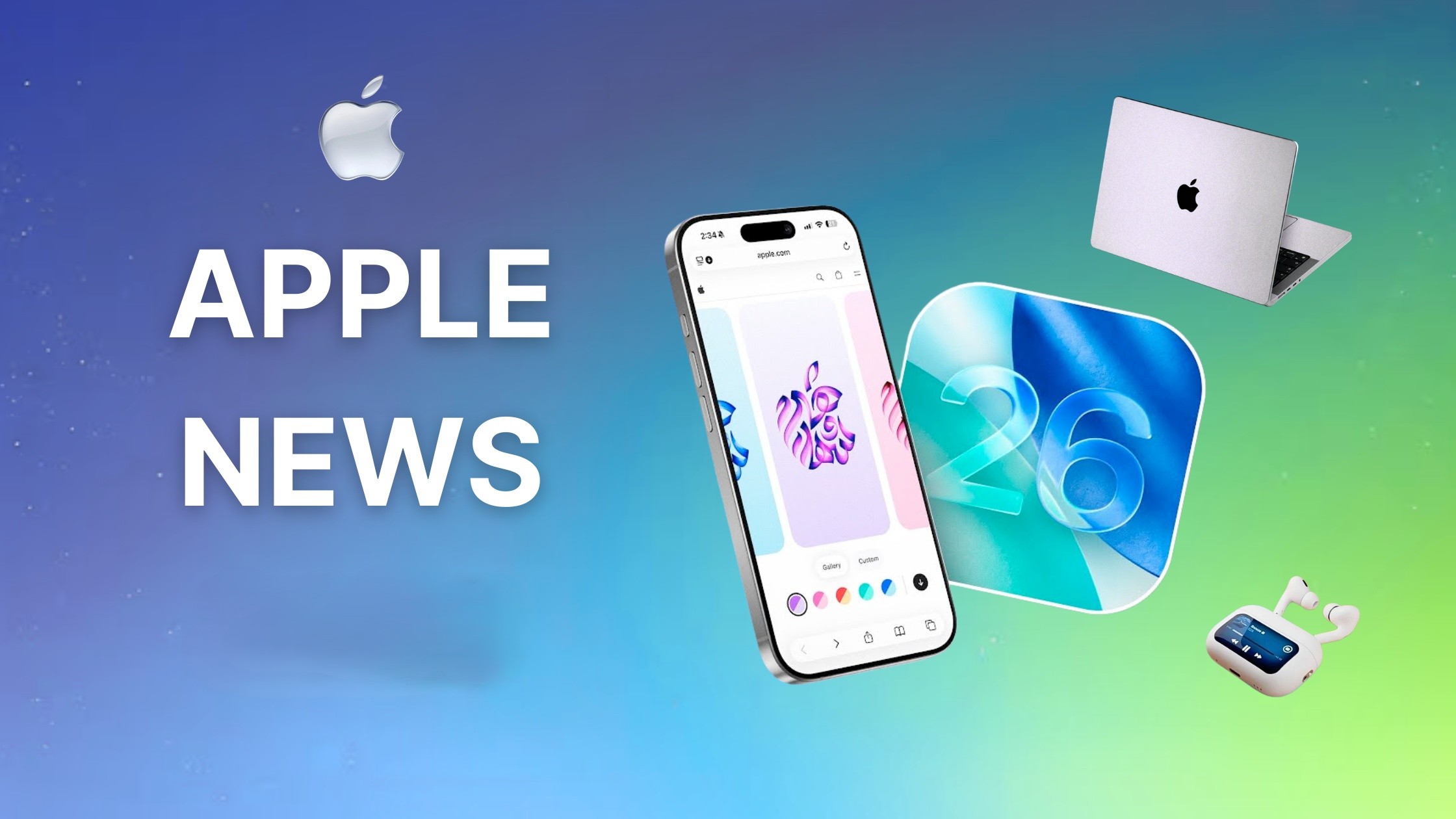
Apple’s release of iOS 26 has introduced the innovative Liquid Glass design, bringing a fresh visual aesthetic to iPhones. While initial reports suggested that these visual enhancements might slow down device performance, recent analyses indicate the opposite: iOS 26 actually delivers a faster and more responsive user experience compared to its predecessor, iOS 18.
User Experience Insights
John Gruber, a respected Apple analyst from Daring Fireball, conducted a hands-on comparison by reverting his iPhone 16 Pro to iOS 18.7.7 and using it as his primary device for two days. He observed that daily interactions felt noticeably slower on iOS 18, despite the hardware remaining unchanged. This suggests that the perceived sluggishness was not due to hardware limitations but rather software optimizations present in iOS 26.
The Role of Animation Timing
A key factor contributing to the enhanced responsiveness in iOS 26 is the adjustment of system animations. During the beta phase, Apple accelerated various animations, such as those involved in returning to the Home Screen or launching applications. These subtle changes have a significant impact on the user’s perception of speed and fluidity. Gruber noted that once users become accustomed to these faster animations, reverting to older versions like iOS 18 makes the interface feel sluggish, even if the actual processing speed remains constant.
Apple’s Continuous Refinement
Early versions of iOS 26 faced some performance-related criticisms. However, subsequent updates, including iOS 26.4, have addressed these concerns, resulting in a smoother and more efficient user experience. This progression underscores Apple’s commitment to refining software performance through meticulous adjustments, such as optimizing animation speeds and enhancing gesture responsiveness.
Implications for iPhone Users
The improvements in iOS 26 highlight the significant role that software optimization plays in device performance. By fine-tuning elements like animation timing, Apple has managed to enhance the perceived speed and responsiveness of iPhones without necessitating hardware upgrades. This approach not only extends the usability of existing devices but also ensures that users benefit from a more fluid and enjoyable interface.
As Apple continues to refine its software, users can anticipate even smoother interactions and a more cohesive experience across their devices. The focus on optimizing animation speeds and system responsiveness demonstrates Apple’s dedication to delivering high-quality performance through thoughtful software design.