AirPods Max 2 Teardown Unveils Minimal Changes Beyond H2 Chip Upgrade
Apple’s latest iteration of its premium over-ear headphones, the AirPods Max 2, has recently undergone a comprehensive teardown, revealing that aside from the integration of the new H2 chip, the design and internal components remain largely unchanged from the original 2020 model.
The AirPods Max 2, launched on March 16, 2026, introduced the H2 chip, bringing enhancements such as Adaptive Audio, Conversation Awareness, and improved gesture controls. Active Noise Cancellation (ANC) has also seen improvements, offering users a more immersive listening experience. However, a detailed disassembly indicates that these advancements are primarily software-driven, with the hardware architecture remaining consistent with its predecessor.
Design and Internal Components
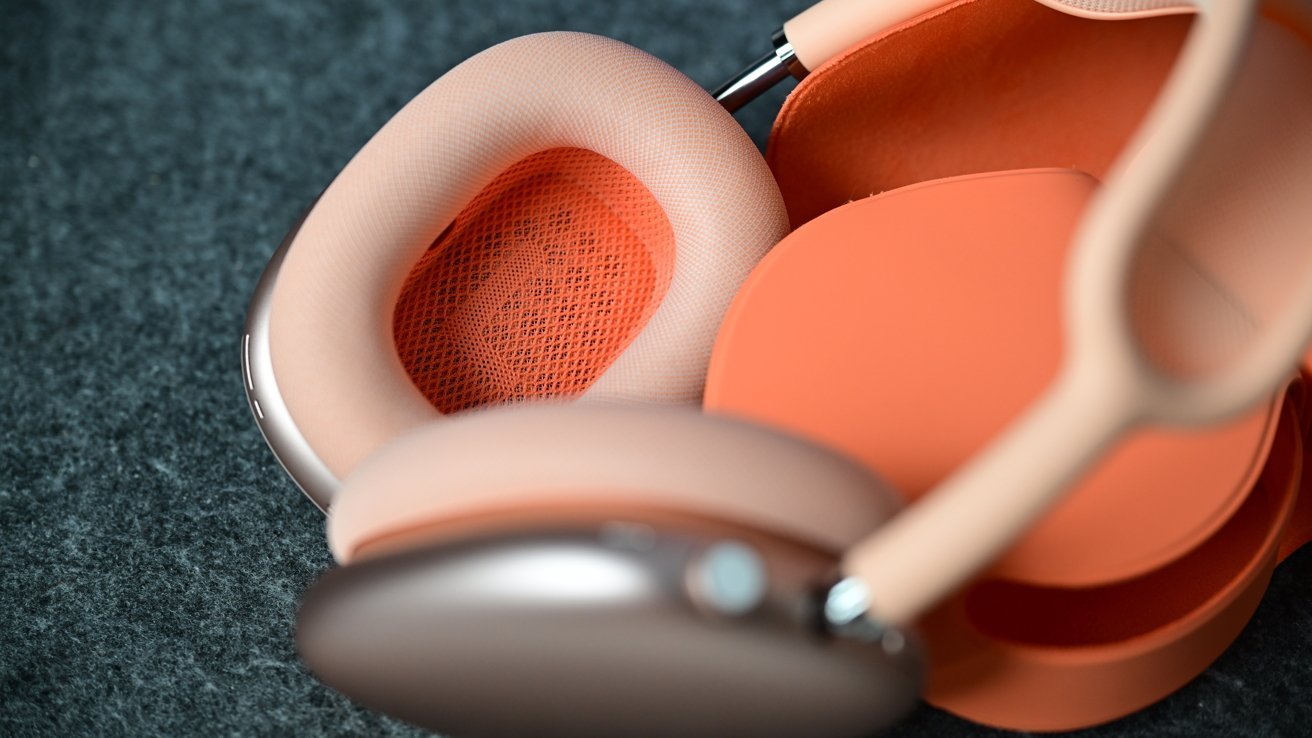
Upon opening the AirPods Max 2, it becomes evident that Apple has retained the original design blueprint. The ear cups, headband, and overall structure mirror those of the 2020 model. Key internal components, including the battery, electronics, and control buttons, appear identical to those found in the earlier version. This suggests that while the H2 chip introduces new functionalities, the physical hardware has not undergone significant modifications.
Persistent Condensation Issue
A notable concern that persists in the AirPods Max 2 is the condensation buildup within the ear cups during extended use. This issue, first identified in the original model, has not been addressed in the latest version. Users have reported moisture accumulation inside the ear cups, which can potentially affect the longevity and performance of the headphones. The teardown confirms that no design changes have been implemented to mitigate this problem, indicating a missed opportunity for Apple to enhance the product’s durability.
Repairability Challenges
The repairability of the AirPods Max 2 remains a significant challenge. Apple’s self-service repair program does not currently offer parts or manuals for this model, making it difficult for users to perform repairs independently. The internal design, characterized by tightly packed components and the use of adhesives, complicates disassembly and reassembly processes. This approach aligns with Apple’s trend of prioritizing sleek design and compactness over ease of repair, a point of contention among consumers advocating for more repair-friendly products.
Market Position and Pricing
Priced at $549, the AirPods Max 2 positions itself in the premium segment of the headphone market. This price point places it just $50 below the MacBook Neo, prompting potential buyers to weigh the value proposition carefully. While the H2 chip introduces commendable features, the lack of substantial hardware upgrades and the persistence of known issues may influence purchasing decisions.
Conclusion
The AirPods Max 2 exemplifies Apple’s strategy of iterative product updates, focusing on software enhancements while maintaining existing hardware designs. The introduction of the H2 chip brings valuable features to the user experience, yet the absence of significant hardware improvements and the continuation of previous issues, such as condensation buildup and limited repairability, may leave some consumers seeking more comprehensive upgrades.