Microsoft Unveils Trio of AI Models to Challenge Industry Leaders
In a bold move to assert its position in the competitive artificial intelligence (AI) landscape, Microsoft AI has introduced three foundational models designed to generate text, voice, and images. This strategic release underscores Microsoft’s commitment to developing its own suite of multimodal AI technologies, even as it maintains a collaborative relationship with OpenAI.
Introducing the New AI Models
The newly unveiled models are:
1. MAI-Transcribe-1: This model offers speech-to-text transcription across 25 languages, boasting a performance that is 2.5 times faster than Microsoft’s previous Azure Fast service.
2. MAI-Voice-1: An advanced audio generation model capable of producing 60 seconds of audio in just one second. It also provides users with the ability to create custom voice outputs.
3. MAI-Image-2: A sophisticated video generation model that enhances Microsoft’s capabilities in visual content creation.
Initially, MAI-Image-2 was made available on MAI Playground, Microsoft’s platform for testing large language models, on March 19. Following this, all three models have been integrated into Microsoft Foundry, with MAI-Transcribe-1 and MAI-Voice-1 also accessible via MAI Playground.
Development and Leadership
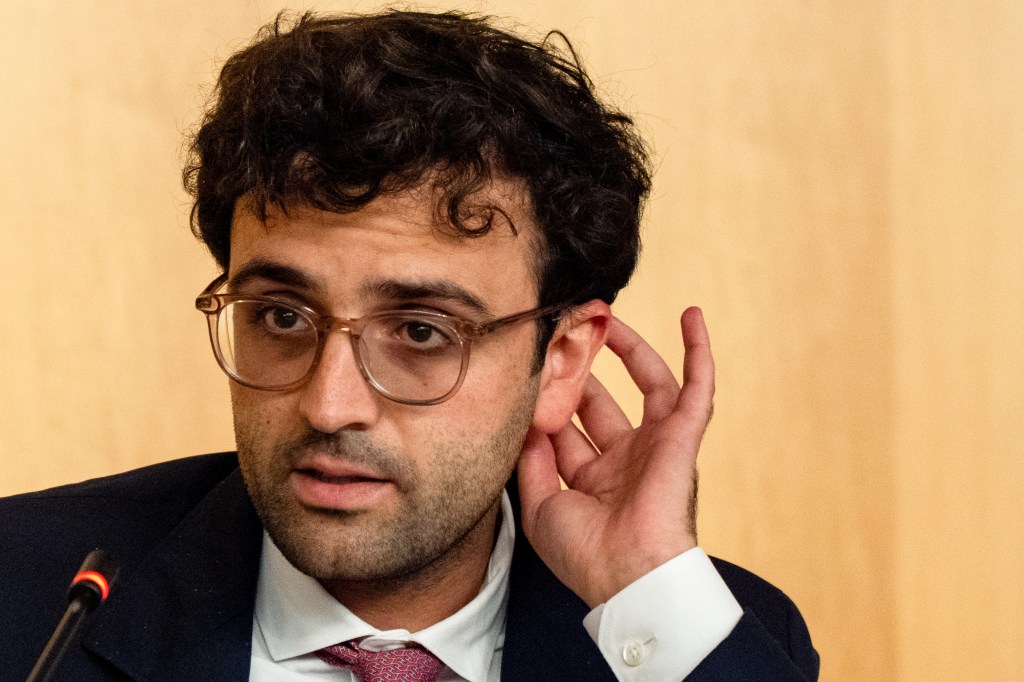
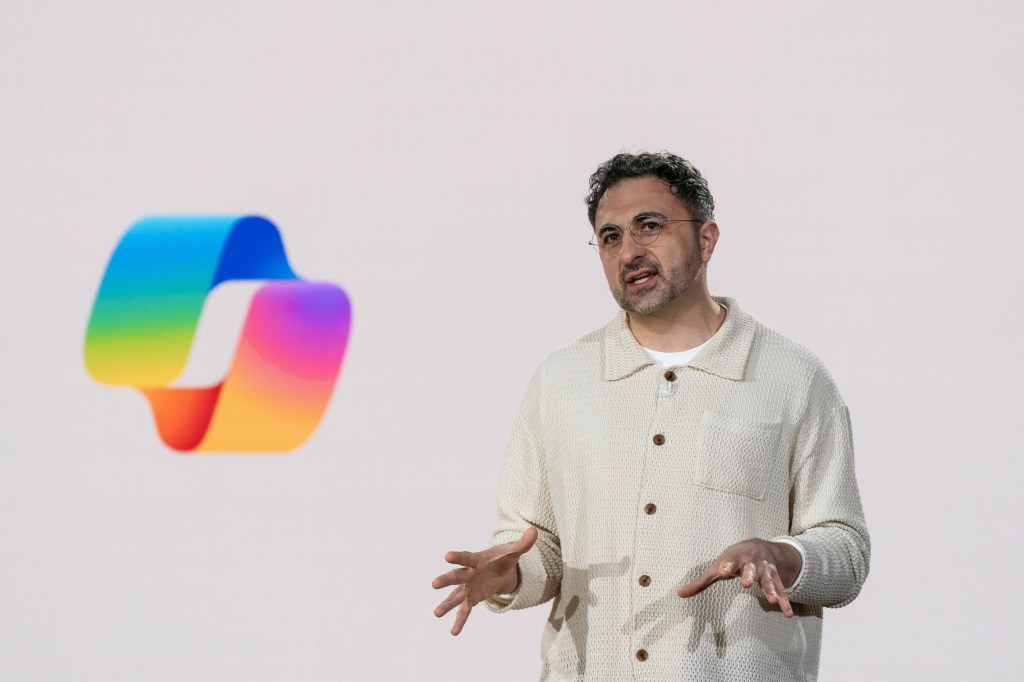
These models are the product of Microsoft’s MAI Superintelligence team, an AI research division established in November 2025 and led by Mustafa Suleyman, the CEO of Microsoft AI. Suleyman emphasized the company’s human-centric approach to AI development, stating, At Microsoft AI, we’re building Humanist AI. We have a distinct view when creating our AI models—putting humans at the center, optimizing for how people actually communicate, training for practical use. He also hinted at future developments, noting that more models will soon be available through Foundry and integrated directly into Microsoft products and experiences.
Competitive Pricing Strategy
In an increasingly crowded large language model (LLM) market, Microsoft aims to differentiate its offerings through competitive pricing:
– MAI-Transcribe-1: Priced at $0.36 per hour.
– MAI-Voice-1: Available at $22 per 1 million characters.
– MAI-Image-2: Costs $5 for 1 million tokens for text input and $33 for 1 million tokens for image output.
This pricing strategy positions Microsoft’s models as more affordable alternatives to those offered by competitors like Google and OpenAI.
Balancing Partnerships and Independence
Despite the launch of its proprietary models, Microsoft remains committed to its partnership with OpenAI. In a recent interview, Suleyman reaffirmed this commitment, highlighting that a renegotiation of the partnership has enabled Microsoft to pursue superintelligence research more freely. This dual approach allows Microsoft to develop its own AI technologies while benefiting from collaborative efforts with established AI research entities.
Broader AI Initiatives
Microsoft’s recent AI endeavors extend beyond these three models:
– Phi-4 AI Model: In April 2025, Microsoft introduced Phi-4, a generative AI model that rivals the performance of larger systems. This model is part of Microsoft’s strategy to offer efficient AI solutions that can operate on a variety of hardware configurations.
– Maia 200 Chip: In January 2026, Microsoft announced the Maia 200, a powerful chip designed for AI inference tasks. With over 100 billion transistors, the Maia 200 delivers significant performance improvements, enabling faster and more efficient AI model operations.
– BitNet b1.58 2B4T: Microsoft researchers developed this hyper-efficient AI model capable of running on standard CPUs, including Apple’s M2. This innovation aims to make AI more accessible by reducing the reliance on specialized hardware.
Sustainable AI Development
Recognizing the environmental impact of AI operations, Microsoft has also invested in sustainable energy solutions. In February 2025, the company added 389 megawatts of renewable power to its portfolio, spanning three solar projects in Illinois and Texas. This initiative supports Microsoft’s AI ambitions while aligning with its commitment to carbon negativity by 2030.
Conclusion
Microsoft’s release of MAI-Transcribe-1, MAI-Voice-1, and MAI-Image-2 marks a significant step in the company’s AI journey. By developing its own foundational models, Microsoft not only enhances its AI capabilities but also positions itself as a formidable competitor in the AI industry. Balancing independent innovation with strategic partnerships, Microsoft continues to shape the future of artificial intelligence.