Navigating the Challenges of Robotaxi Emergencies
The rapid expansion of autonomous vehicle services has introduced a new set of challenges, particularly when these vehicles encounter situations requiring emergency assistance. Waymo, a leader in the robotaxi industry, now provides approximately 500,000 paid rides weekly. This growth, while impressive, has led to instances where their autonomous vehicles become immobilized, necessitating intervention from first responders.
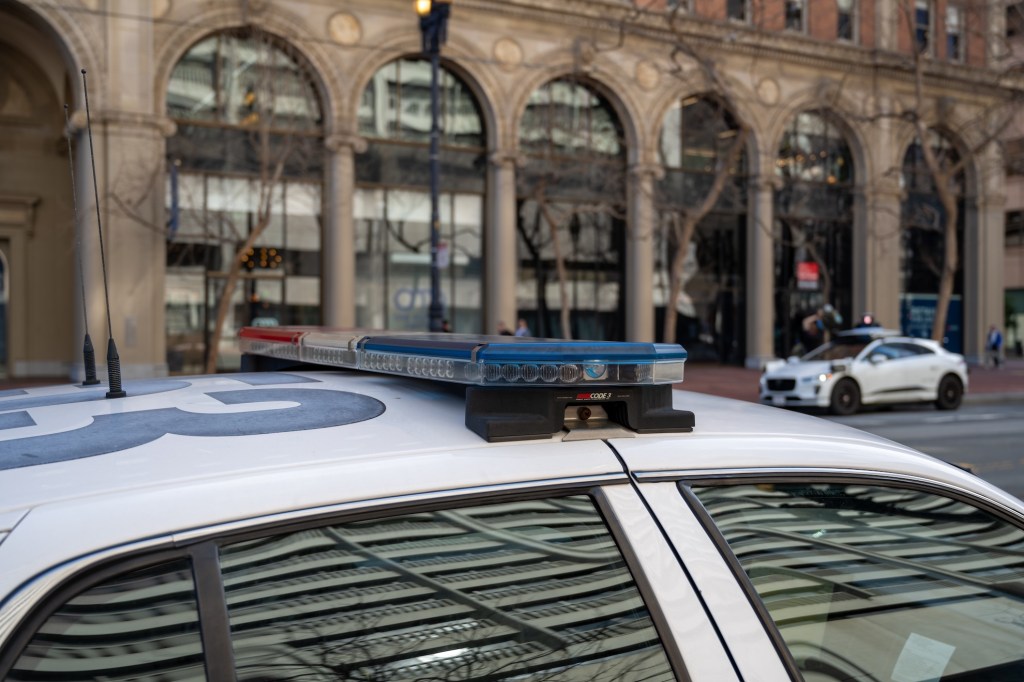
In December, a significant blackout in California resulted in numerous Waymo vehicles becoming paralyzed on the roads. This raised questions about the protocols in place for such scenarios and the reliance on public emergency services to resolve them. Senior reporter Sean O’Kane investigated Waymo’s approach, revealing that the company has its own roadside assistance team. However, there have been at least six incidents where first responders had to manually operate the stranded vehicles. In one notable case, a police officer responding to a mass shooting in Austin was diverted to move a Waymo robotaxi obstructing the path.
This dependence on taxpayer-funded services has sparked debate. San Francisco District 4 Supervisor Alan Wong expressed concerns, stating that many believe our first responders should not be AAA. As the deployment of robotaxis continues to grow, with companies like Motional, Zoox, and Tesla entering the market, the need for clear protocols and self-sufficient solutions becomes increasingly critical.
The industry must address these challenges to ensure the seamless integration of autonomous vehicles into urban environments without overburdening public resources.