Envisioning the Next MacBook Air: A Wishlist Inspired by the MacBook Neo
Apple’s recent introduction of the MacBook Neo has significantly altered the landscape of its laptop offerings. This new addition challenges the traditional positioning of the MacBook Air, prompting a reevaluation of its future direction. Here are several enhancements that could redefine the MacBook Air, ensuring it remains a compelling choice for consumers.
1. Enhanced Display Technology
The MacBook Air’s display has long been a hallmark of its appeal. To maintain its competitive edge, transitioning to OLED technology would be a significant step forward. OLED screens offer superior contrast ratios, deeper blacks, and more vibrant colors compared to traditional LCDs. This upgrade would not only enhance visual fidelity but also improve energy efficiency, potentially extending battery life.
While the MacBook Pro is anticipated to adopt OLED displays in the near future, extending this technology to the MacBook Air would democratize high-quality visuals across Apple’s laptop range. Additionally, incorporating a 120Hz refresh rate would provide smoother scrolling and more responsive interactions, elevating the user experience to new heights.
2. Advanced Thermal Management
The MacBook Air’s fanless design contributes to its sleek profile and silent operation. However, this design can lead to thermal throttling under intensive workloads, affecting performance. Implementing advanced thermal management solutions, such as graphite sheets and copper heat sinks—techniques already utilized in the iPad Pro—could enhance heat dissipation without compromising the device’s slim form factor.
By adopting these passive cooling methods, the MacBook Air could sustain higher performance levels during demanding tasks, aligning with the needs of professionals and power users who require reliability without sacrificing portability.
3. Bold Design Innovations
The MacBook Air has traditionally been Apple’s most portable laptop, but there’s room to push the boundaries further. Embracing a more radical design approach could result in an even thinner and lighter device, appealing to users who prioritize mobility. Drawing inspiration from the discontinued 12-inch MacBook, a reimagined MacBook Air could offer a compact form factor without compromising on performance.
Exploring new materials and manufacturing techniques could facilitate this evolution. For instance, utilizing carbon fiber or advanced aluminum alloys might reduce weight while maintaining structural integrity. Additionally, minimizing bezels to expand screen real estate without increasing the overall size would enhance both aesthetics and functionality.
4. Expanded Color Palette
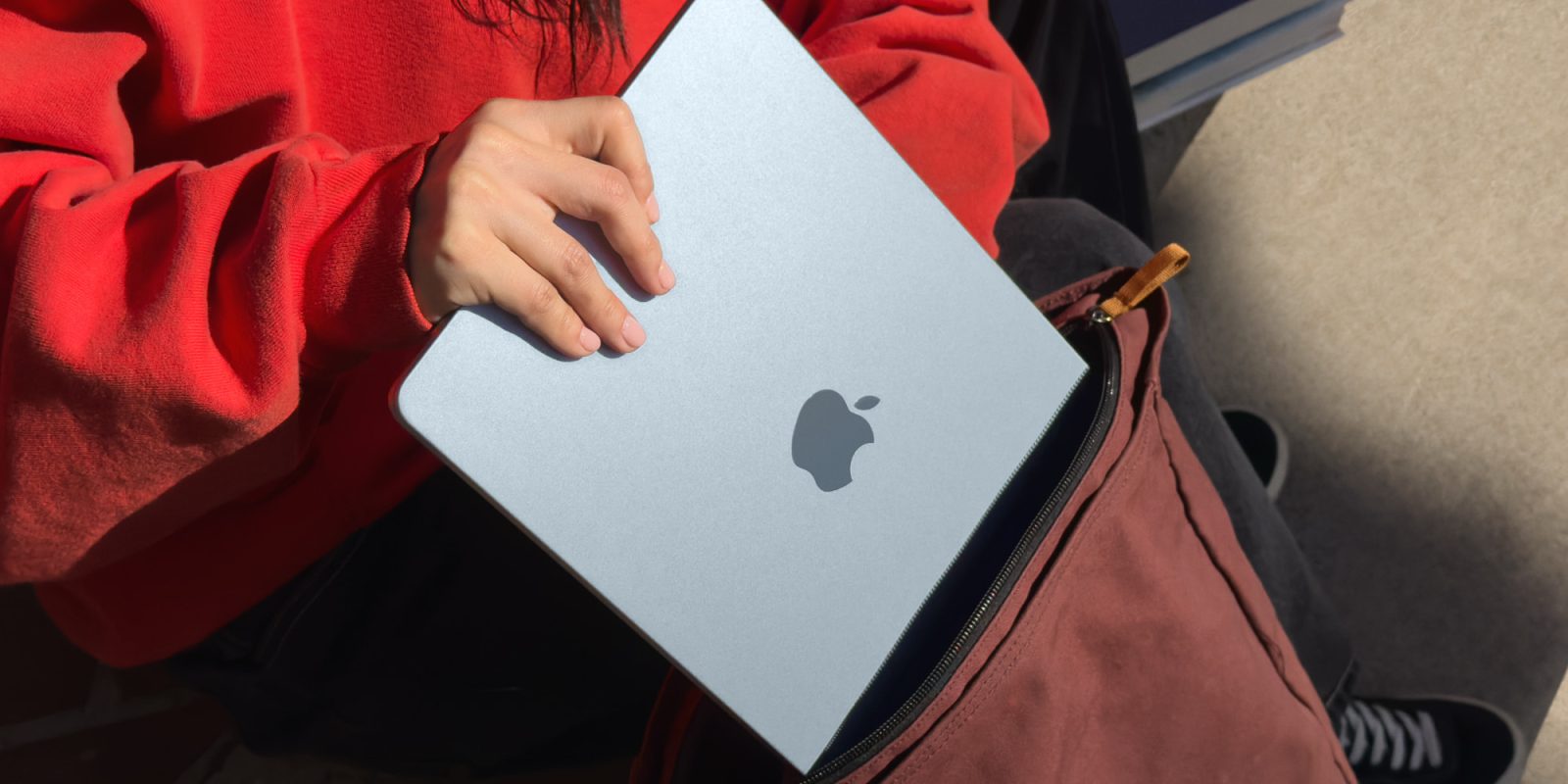
Apple’s recent products, such as the iMac and iPad Air, have embraced vibrant color options, resonating with consumers seeking personalization. Extending this trend to the MacBook Air would cater to a broader audience. Offering a range of colors beyond the traditional silver and space gray could make the MacBook Air more appealing to younger demographics and those looking to express their style through their devices.
Introducing colors like pastel blue, mint green, or even a bold red could differentiate the MacBook Air in a crowded market. This strategy not only enhances aesthetic appeal but also aligns with Apple’s commitment to providing products that reflect the individuality of its users.
5. Improved Connectivity Options
In an era where versatility is paramount, expanding the MacBook Air’s connectivity options would be a welcome enhancement. Incorporating additional USB-C ports, an SD card reader, or even a MagSafe charging connector would increase the device’s functionality. These additions would cater to professionals who rely on various peripherals and accessories, reducing the need for dongles and adapters.
Furthermore, integrating support for the latest wireless standards, such as Wi-Fi 6E and Bluetooth 5.2, would ensure faster and more reliable connections, future-proofing the MacBook Air for years to come.
6. Extended Battery Life
Battery longevity remains a critical factor for users who are constantly on the move. Enhancing the MacBook Air’s battery life through more efficient processors, improved display technology, and optimized software could set it apart from competitors. Achieving a battery life that comfortably exceeds 20 hours would provide users with the confidence to work throughout the day without seeking a power source.
Implementing adaptive battery management systems that learn user habits and adjust power consumption accordingly could further extend usage times. Additionally, fast-charging capabilities that provide significant battery replenishment in a short period would add convenience for users with demanding schedules.
7. Enhanced Audio Experience
As remote work and virtual meetings become increasingly prevalent, the quality of a laptop’s audio system is more important than ever. Upgrading the MacBook Air’s speakers to deliver richer, more immersive sound would enhance media consumption and communication experiences. Incorporating spatial audio support and higher-fidelity microphones would ensure clear and natural-sounding voice capture, benefiting both content creators and everyday users.
Collaborating with audio experts to fine-tune speaker placement and acoustics could result in a superior audio experience that belies the MacBook Air’s slim profile.
8. Sustainable Manufacturing Practices
Apple has made significant strides in sustainability, and continuing this commitment with the MacBook Air would resonate with environmentally conscious consumers. Utilizing recycled materials, reducing carbon emissions during production, and ensuring the device is easily recyclable at the end of its lifecycle would reinforce Apple’s dedication to the environment.
Transparency in sourcing materials and providing detailed information about the device’s environmental impact could further appeal to users who prioritize sustainability in their purchasing decisions.
Conclusion
The MacBook Air has long been a symbol of portability and elegance in Apple’s lineup. By embracing these enhancements—ranging from advanced display technology and thermal management to bold design choices and improved connectivity—Apple can ensure that the MacBook Air remains a compelling choice for a diverse range of users. As the laptop market evolves, these innovations would position the MacBook Air as a forward-thinking device that meets the demands of modern consumers.