Google Pixel Defies Market Trends Amidst Android’s 2026 Challenges
In 2026, the smartphone industry faces significant upheavals, with Android manufacturers bracing for a challenging year. A recent Morgan Stanley report highlights a potential 15% decline in Android device shipments, contrasting sharply with a modest 2% dip projected for Apple’s iPhone. This disparity underscores Apple’s resilience and its capacity to attract users from other platforms.
The RAM and Storage Crisis:
A pivotal factor contributing to this downturn is the ongoing RAM and storage shortage, which has led to increased production costs for Android devices. This inflation has compelled manufacturers to raise prices, potentially deterring consumers and dampening demand. In contrast, Apple’s integrated supply chain and strategic resource management have enabled it to mitigate these challenges more effectively.
Switching Trends and Market Dynamics:
The report also sheds light on user migration patterns. Apple has achieved a five-year peak in attracting users from other platforms, with its switching rate climbing from 6% to 11% year-over-year. This trend indicates a growing preference for the iPhone among consumers seeking new devices.
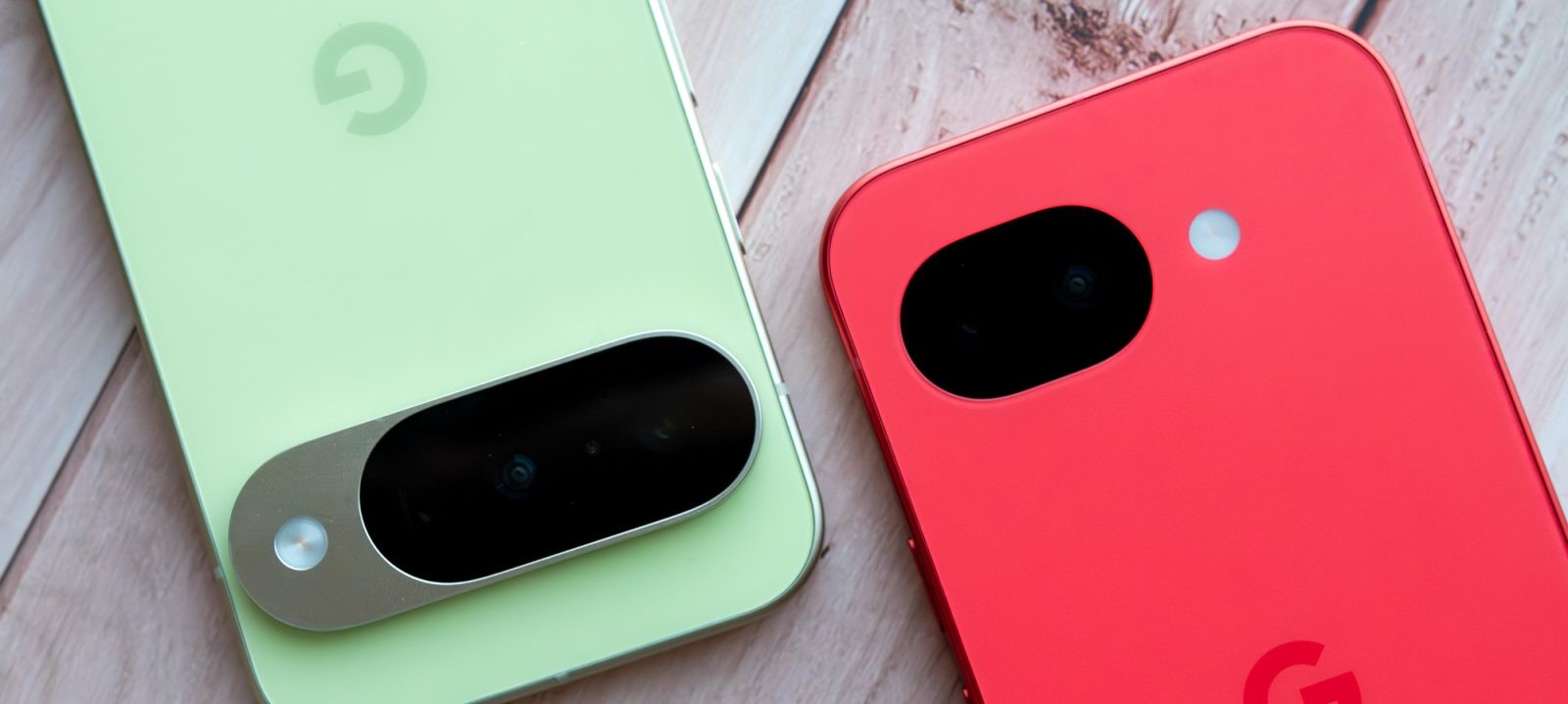
Conversely, most Android brands are experiencing negative net switching rates, signaling a loss of users to competitors. However, Google’s Pixel series stands out as an exception. Although its switching rate is projected to decrease from 33% in 2025 to 28% in 2026, the Pixel continues to draw users from other brands, highlighting its unique appeal in a saturated market.
Google Pixel’s Resilience:
Several factors contribute to the Pixel’s sustained attractiveness:
1. Innovative Features: Google’s commitment to integrating cutting-edge technology, such as advanced camera systems and AI-driven functionalities, sets the Pixel apart.
2. Seamless Integration: The Pixel offers a cohesive experience with Google’s ecosystem, including services like Google Photos, Drive, and Assistant, enhancing user convenience.
3. Timely Updates: Regular software updates ensure that Pixel devices remain secure and up-to-date, fostering user trust and satisfaction.
4. User-Centric Design: Google’s focus on intuitive design and user experience resonates with consumers seeking simplicity and efficiency.
Market Implications:
The contrasting trajectories of Apple and Android manufacturers have significant implications:
– For Android Brands: The anticipated decline necessitates strategic adjustments, including cost optimization, innovation acceleration, and enhanced marketing efforts to retain and attract users.
– For Apple: The projected growth reinforces its market dominance, potentially leading to increased investment in research and development to further solidify its position.
– For Consumers: The evolving landscape may result in more competitive offerings, as brands strive to differentiate themselves and provide greater value to users.
Conclusion:
As 2026 unfolds, the smartphone industry stands at a crossroads. While Android manufacturers grapple with supply chain challenges and shifting consumer preferences, Google’s Pixel series exemplifies resilience and adaptability. Its ability to attract users amidst a declining market underscores the importance of innovation, integration, and user-centric design in sustaining growth. For the industry at large, these dynamics highlight the need for agility and strategic foresight in navigating an increasingly complex and competitive landscape.