Elon Musk Announces Ambitious Chip Manufacturing Plans for SpaceX and Tesla
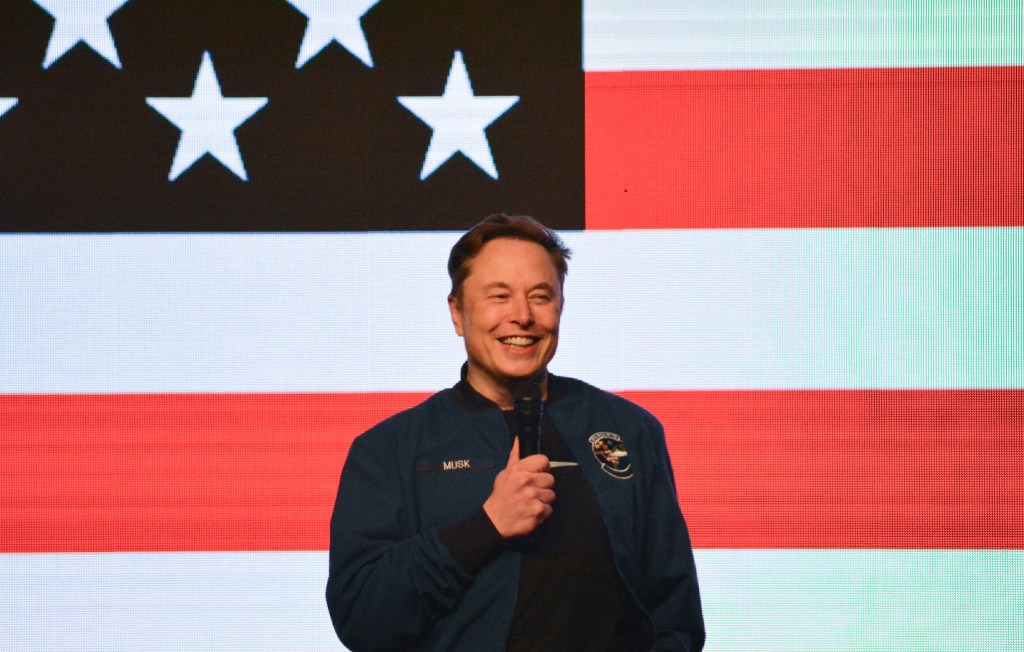
Elon Musk, the visionary entrepreneur behind SpaceX and Tesla, has unveiled an ambitious initiative to establish a state-of-the-art semiconductor manufacturing facility, dubbed the Terafab, near Tesla’s headquarters and Gigafactory in Austin, Texas. This strategic move aims to address the escalating demand for advanced chips essential for the artificial intelligence (AI) and robotics endeavors of both companies.
Addressing the Semiconductor Shortage
The global semiconductor industry has been grappling with significant supply chain disruptions, leading to a shortage of chips crucial for various technologies. Musk highlighted the urgency of this situation, stating, We either build the Terafab or we don’t have the chips, and we need the chips, so we build the Terafab. This proactive approach underscores Musk’s commitment to ensuring that SpaceX and Tesla have a reliable supply of high-performance chips to support their cutting-edge projects.
Terafab’s Ambitious Production Goals
The Terafab facility is envisioned to produce chips capable of delivering between 100 to 200 gigawatts of computing power annually for terrestrial applications. Additionally, Musk has set an even more ambitious target for space-based operations, aiming to achieve a terawatt of computing power in orbit. These goals reflect the increasing computational demands of AI systems and the critical role of advanced semiconductors in meeting these needs.
Implications for SpaceX and Tesla
For SpaceX, the development of in-house chip manufacturing capabilities could significantly enhance the performance and autonomy of its spacecraft and satellite systems. Advanced AI chips are integral to processing vast amounts of data and making real-time decisions during missions, thereby improving efficiency and safety.
Tesla, on the other hand, has been progressively integrating AI into its electric vehicles (EVs) and energy solutions. The production of proprietary chips would enable Tesla to optimize its Full Self-Driving (FSD) technology, enhance vehicle performance, and potentially reduce reliance on external suppliers. This vertical integration aligns with Tesla’s broader strategy of controlling more aspects of its supply chain to drive innovation and cost efficiencies.
Challenges and Considerations
While the Terafab project presents exciting opportunities, it also comes with significant challenges. Semiconductor manufacturing is a complex and capital-intensive process that requires substantial expertise and resources. Musk’s lack of direct experience in chip fabrication raises questions about the feasibility and timeline of the project. Historically, Musk has been known for setting ambitious goals that sometimes face delays, and this venture may encounter similar hurdles.
Moreover, the semiconductor industry is highly competitive, with established players like Intel, TSMC, and Samsung investing heavily in research and development. Entering this market will require SpaceX and Tesla to navigate technological complexities and establish a foothold in a domain outside their traditional expertise.
Strategic Partnerships and Investments
To bolster its chip development efforts, Tesla has previously engaged in strategic partnerships. In July 2025, Tesla signed a $16.5 billion deal with Samsung to manufacture its next-generation AI6 chips. These chips are designed to power Tesla’s driver assistance systems, Optimus humanoid robots, and high-performance AI training in data centers. Musk emphasized the strategic importance of this collaboration, noting that Samsung’s new Texas fabrication facility would be dedicated to producing these chips.
Additionally, Tesla has invested $2 billion in xAI, Musk’s artificial intelligence startup. This investment aims to enhance Tesla’s ability to develop and deploy AI products and services at scale, further integrating AI into its operations and product offerings.
The Road Ahead
The establishment of the Terafab facility represents a bold step toward self-reliance in semiconductor production for SpaceX and Tesla. If successful, it could provide a competitive edge by ensuring a steady supply of customized chips tailored to the specific needs of their AI and robotics applications. However, the path to achieving these ambitious goals will require overcoming significant technical and logistical challenges.
As the project progresses, industry observers will be keenly watching how Musk’s vision unfolds and whether the Terafab can deliver on its promise to revolutionize chip manufacturing for space and automotive technologies.