Apple’s Attempted Acquisition of Halide and the Subsequent Legal Battle
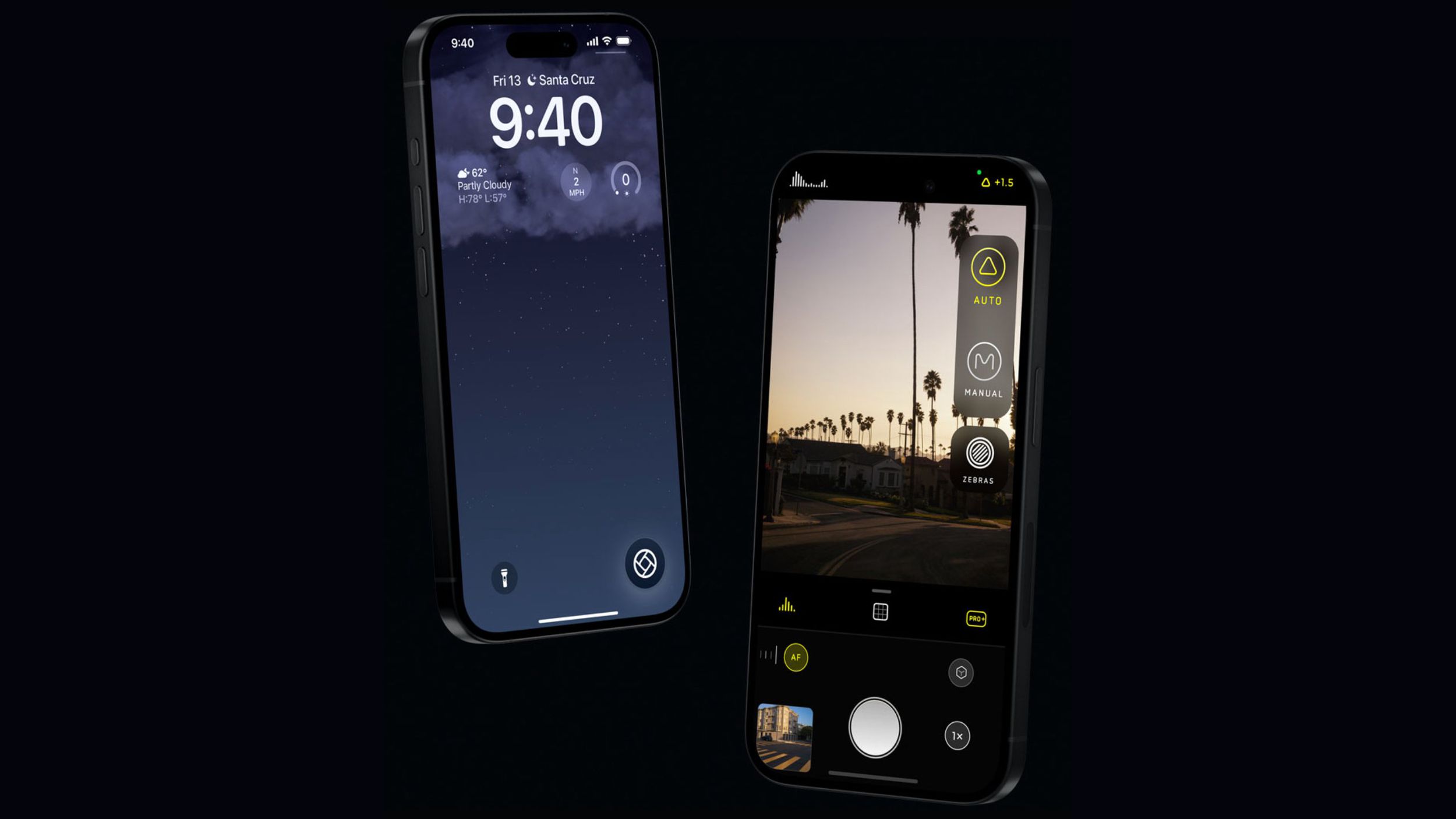
In the summer of 2025, Apple engaged in discussions to acquire Lux Optics, the developer behind popular iPhone camera applications such as Halide, Kino, and Spectre. The primary objective was to integrate Lux’s advanced camera technologies into the iPhone 18 Pro’s native Camera app, aiming to elevate its capabilities to match those of professional-grade cameras.
The Acquisition Talks
Apple’s interest in Lux Optics was driven by the desire to enhance the iPhone 18 Pro’s Camera app, which was identified as a top priority for the company. The goal was to incorporate advanced features that would position the iPhone 18 Pro as a formidable tool for professional photographers and videographers. However, the acquisition discussions did not culminate in a deal. Lux Optics believed that by updating their app, they could secure a more favorable offer from Apple in the future.
Recruitment and Internal Conflict
Following the unsuccessful acquisition talks, Apple sought to recruit Lux’s co-founder and designer, Sebastian de With. In January 2026, de With announced his new role within Apple’s design team. This move led to internal strife within Lux Optics. In December 2025, Lux’s CEO and co-founder, Ben Sandofsky, terminated de With’s employment, citing allegations of financial misconduct.
Legal Proceedings
The internal discord escalated into a legal battle when Sandofsky filed a lawsuit against de With in the California Superior Court of Santa Cruz. The lawsuit accuses de With of misappropriating over $150,000 of Lux’s funds for personal expenses since 2022. Additionally, de With is alleged to have shared confidential materials and source code from Lux with Apple, actions that could have significant implications for both parties involved.
Implications for the iPhone 18 Pro
The iPhone 18 Pro is anticipated to introduce several advanced features, including a variable-aperture main camera, under-screen Face ID, and the A20 Pro chip. Apple’s attempt to acquire Lux Optics underscores the company’s commitment to enhancing the iPhone’s camera capabilities. Despite the acquisition’s failure and the ensuing legal complications, Apple continues to focus on integrating professional-grade features into its devices.
Conclusion
Apple’s pursuit of Lux Optics highlights the tech giant’s dedication to advancing its camera technology. While the acquisition did not materialize, and the subsequent legal issues have added complexity to the narrative, Apple’s commitment to innovation in photography remains evident. The developments surrounding this case will be closely monitored by industry observers and consumers alike.