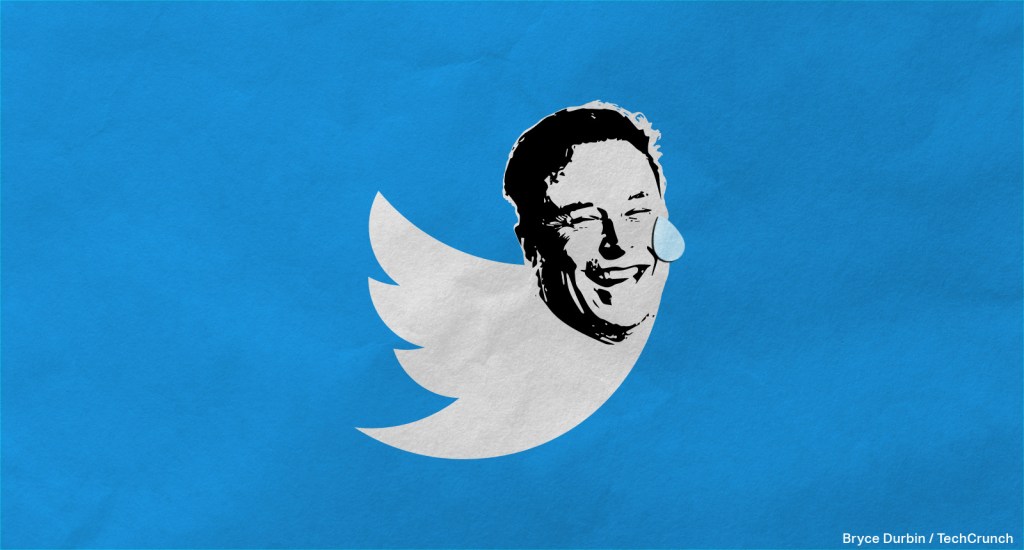
Elon Musk’s Misleading Tactics in Twitter Acquisition: Jury Verdict and Implications
In a landmark decision on March 20, 2026, a California civil jury concluded that Elon Musk intentionally misled Twitter investors during his attempt to withdraw from the $44 billion acquisition of the social media platform in 2022. This verdict underscores the complexities and legal ramifications surrounding high-profile corporate takeovers and the responsibilities of influential executives in public communications.
Background of the Acquisition
Elon Musk, the CEO of Tesla and SpaceX, announced his intention to acquire Twitter in April 2022, aiming to transform the platform into a bastion of free speech. However, by May 2022, Musk began expressing concerns about the prevalence of spam and fake accounts on Twitter. On May 13, 2022, he tweeted:
Twitter deal temporarily on hold pending details supporting calculation that spam/fake accounts do indeed represent less than 5% of users.
This announcement led to an immediate 8% decline in Twitter’s stock price, causing significant financial repercussions for investors.
Legal Proceedings and Jury Findings
Investor Giuseppe Pampena filed a lawsuit on behalf of shareholders who sold their Twitter shares between May 13 and October 4, 2022—the period during which Musk’s statements created market uncertainty. The plaintiffs argued that Musk’s public declarations were strategically designed to depress Twitter’s stock value, potentially allowing him to renegotiate the acquisition terms favorably.
Musk’s defense contended that his concerns about bot accounts were genuine and warranted further investigation. However, the jury found that Musk’s statements were misleading and had a detrimental impact on investors who acted based on his public communications.
Potential Financial Implications
While the exact damages are yet to be determined, estimates suggest that Musk could be liable for up to $2.6 billion in compensation to affected shareholders. Given Musk’s substantial net worth, estimated at over $660 billion, this financial penalty, though significant, represents a fraction of his overall wealth.
Historical Context of Musk’s Public Statements
This case is not the first instance where Musk’s public statements have led to legal challenges. In 2018, Musk tweeted about taking Tesla private at $420 per share, claiming funding secured. This assertion led to an SEC investigation and subsequent charges of securities fraud. Musk settled with the SEC, agreeing to pay a $20 million fine and step down as Tesla’s chairman for three years.
Broader Implications for Corporate Governance
The jury’s verdict in the Twitter acquisition case highlights the critical importance of transparency and accuracy in corporate communications, especially from high-profile executives whose statements can significantly influence market dynamics. It serves as a cautionary tale for corporate leaders about the potential legal and financial consequences of misleading public statements.
Conclusion
Elon Musk’s attempt to back out of the Twitter acquisition, coupled with his public statements, has resulted in a jury finding him liable for misleading investors. This case underscores the necessity for corporate executives to exercise caution and integrity in their public communications to maintain investor trust and comply with legal standards.