Masimo’s Legal Victory Over Apple Watch’s Blood Oxygen Sensor: A Pyrrhic Triumph
In a protracted legal battle spanning six years, medical technology company Masimo has secured a favorable ruling against Apple concerning the pulse oximetry features in the Apple Watch. However, this victory appears largely symbolic, as it is unlikely to result in a renewed ban on the smartwatch.
Background of the Dispute
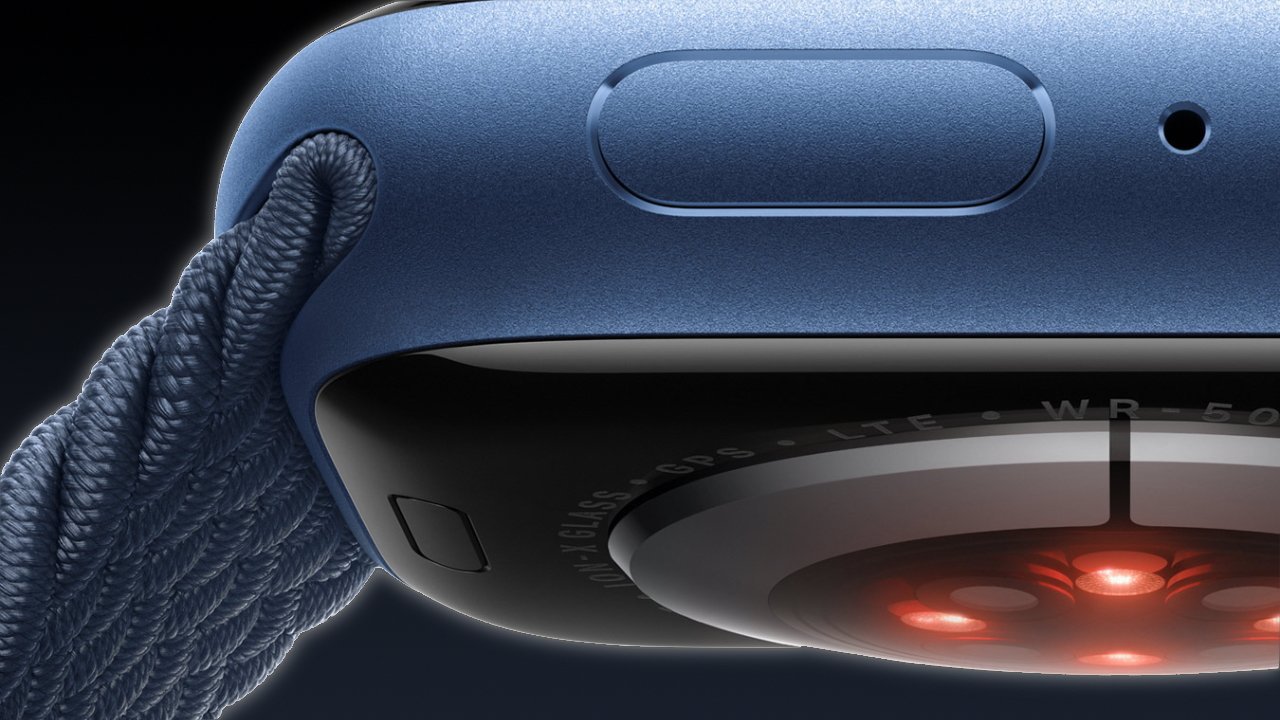
The contention centers on the blood oxygen monitoring capabilities introduced in the Apple Watch Series 6. Masimo alleged that Apple’s implementation infringed upon its patented pulse oximetry technology. In January 2023, the International Trade Commission (ITC) supported Masimo’s claims, leading to a temporary import ban on the Apple Watch in the United States. Apple responded by disabling the blood oxygen feature via software updates to comply with the ruling.
Recent Developments
In March 2026, a U.S. appeals court upheld Masimo’s position, affirming that Apple’s blood oxygen sensor violated Masimo’s patents. Despite this legal affirmation, the court indicated that it would not enforce another ban on the Apple Watch. This decision underscores the complexities of patent enforcement, especially when products have become deeply integrated into consumer markets.
Implications for Apple and Masimo
For Apple, the ruling represents a legal setback but does not necessitate immediate changes to its product lineup or sales strategy. The company has previously demonstrated agility in modifying product features to navigate legal challenges, as seen in its swift software adjustments following the initial ITC ruling.
Masimo’s victory, while legally significant, may not translate into substantial commercial gains. The absence of a renewed ban means that Apple Watch sales will likely continue unabated, potentially limiting Masimo’s leverage in seeking licensing agreements or financial settlements.
Broader Context
This case highlights the ongoing tensions between medical technology firms and consumer electronics giants as they converge in the health monitoring space. The integration of advanced health features into consumer devices raises complex questions about intellectual property rights and the balance between innovation and patent protection.
Conclusion
While Masimo has achieved a legal victory affirming its patent claims, the practical impact appears limited without enforcement measures such as a product ban. This outcome reflects the intricate dynamics of patent litigation in the rapidly evolving tech industry, where legal wins do not always equate to market advantages.