Record-Breaking $6.4 Billion Paid Out in Phone Trade-Ins in 2025
In 2025, the mobile device trade-in market experienced an unprecedented surge, with consumers receiving a total of $6.4 billion for their used smartphones. This figure represents a significant 42% increase from the $4.5 billion recorded in 2024, highlighting a growing trend among users to leverage trade-in programs when upgrading their devices.
A notable observation from the data is the extended duration Android users are retaining their devices before opting for a trade-in. On average, Android devices were held for approximately 3.96 years, up from 3.52 years in previous years. This trend is likely influenced by manufacturers like Samsung, which have extended support periods for their devices. For instance, the current Galaxy S flagship models now come with a seven-year support period, encouraging users to keep their devices longer.
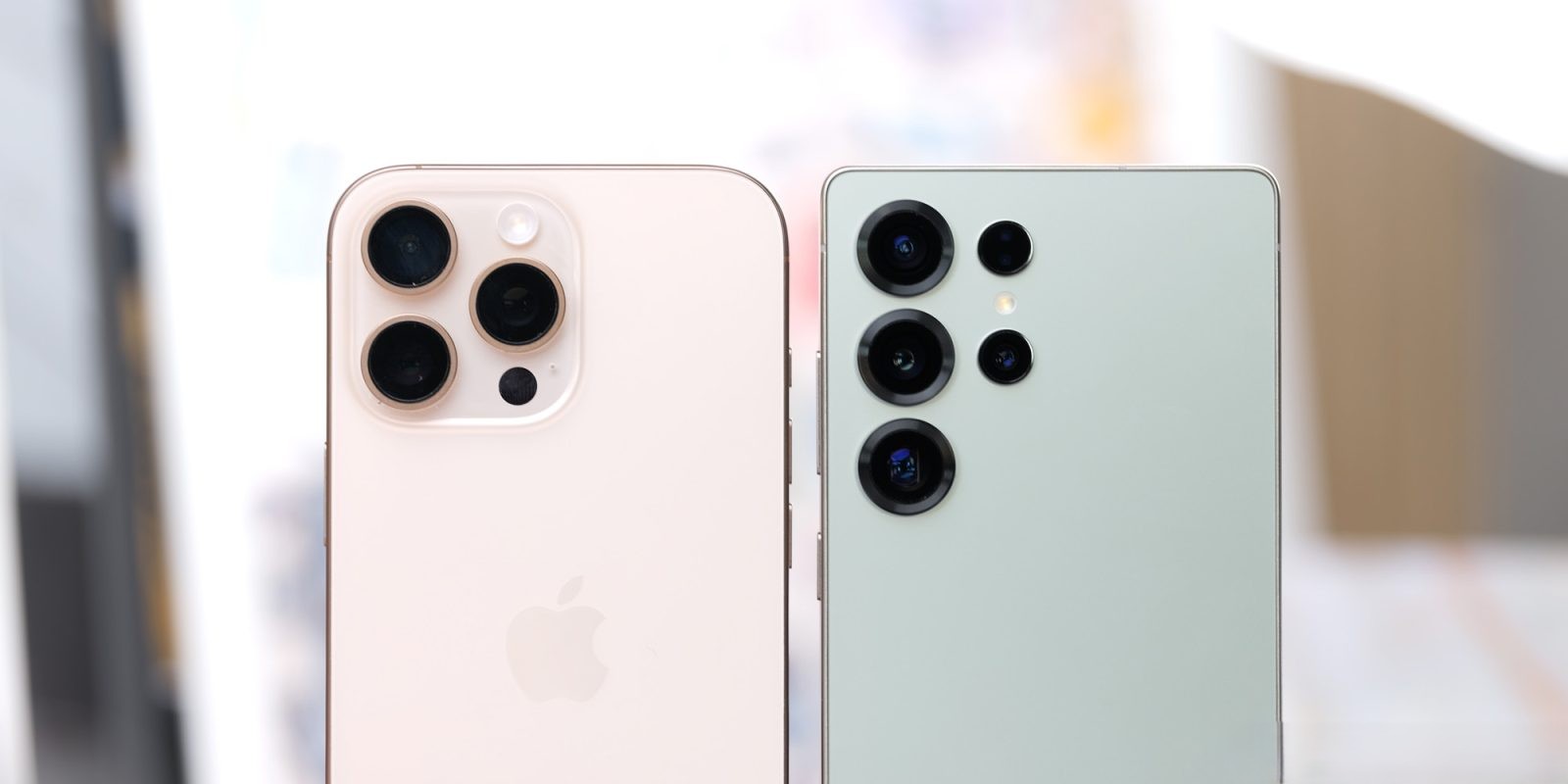
In contrast, iPhone users demonstrated a slightly shorter retention period. The fourth quarter of 2025 saw a record-breaking $2.8 billion in trade-in returns, coinciding with the launch of Apple’s iPhone 17. During this period, the iPhone 13 emerged as the most frequently traded device, indicating a strong inclination among Apple users to upgrade to the latest models promptly.
Samsung’s Galaxy S22 Ultra stood out as the most traded Android device in 2025. This aligns with the average Android device age of nearly four years, suggesting that many users are trading in their Galaxy S22 Ultras for newer models like the Galaxy S25. The three-year gap between these models is slightly below the average retention period, indicating a trend of users upgrading within a shorter timeframe.
The substantial increase in trade-in payouts can be attributed to several factors. Manufacturers have been offering enhanced trade-in values, especially during pre-order phases of new flagship releases. For example, Samsung has been known to provide significant trade-in credits for older devices during the launch of new models, making it financially appealing for users to upgrade.
Additionally, the rising costs of new smartphones have made trade-in programs more attractive. By trading in their old devices, consumers can offset the expense of purchasing the latest models. This financial strategy has become increasingly popular, contributing to the record-breaking trade-in payouts observed in 2025.
The data also suggests that users are becoming more strategic in their upgrade cycles. With extended support periods and enhanced trade-in offers, consumers are weighing the benefits of holding onto their devices longer versus upgrading to take advantage of promotional deals. This behavior reflects a more informed and value-conscious consumer base.
Looking ahead, the trend of increased trade-in payouts is expected to continue. As manufacturers strive to entice users to upgrade, we can anticipate more aggressive trade-in offers and extended support periods. This dynamic will likely influence consumer behavior, leading to a more vibrant and competitive smartphone market.
In conclusion, the $6.4 billion paid out in phone trade-ins in 2025 underscores a significant shift in consumer behavior and manufacturer strategies. With users holding onto their devices longer and manufacturers offering enticing trade-in deals, the smartphone industry is witnessing a transformation that benefits both parties. As this trend continues, it will be interesting to observe how it shapes the future of mobile device upgrades and the overall market landscape.