Apple’s iPhone 5 Officially Declared Obsolete
Apple has officially classified the iPhone 5 as obsolete, marking the end of its support and repair services for this iconic device. This designation comes as the iPhone 5 reaches the seven-year mark since it was last distributed for sale, aligning with Apple’s policy of phasing out support for older products.
The Legacy of the iPhone 5
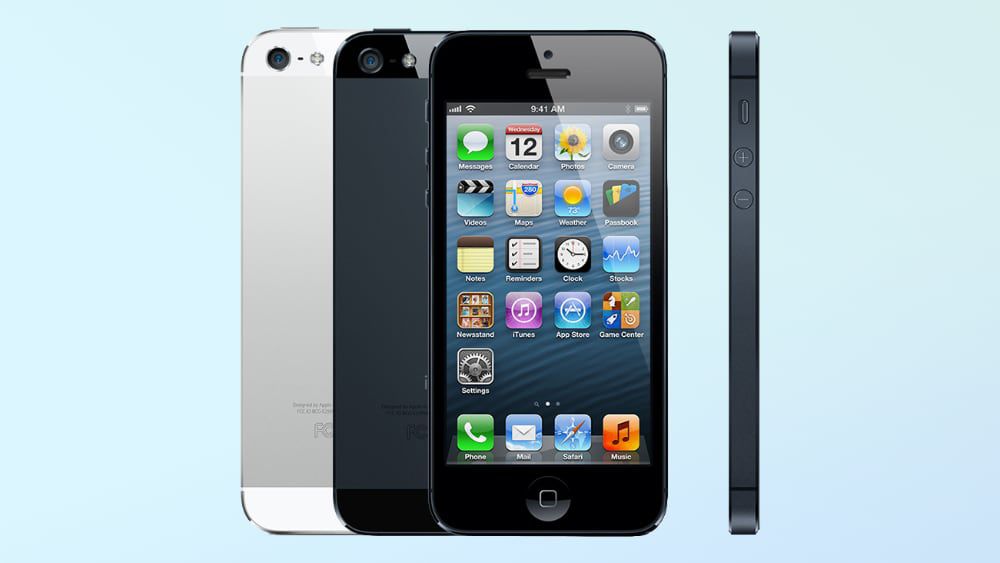
Introduced in September 2012, the iPhone 5 was a significant milestone in Apple’s smartphone evolution. It featured a sleek glass and aluminum design, a taller 4-inch Retina display, and was the first iPhone to support LTE connectivity, offering faster internet speeds to users. Notably, it debuted the Lightning connector, replacing the 30-pin dock connector and setting a new standard for Apple’s device interfaces.
The iPhone 5’s design and features laid the groundwork for future models, influencing the aesthetics and functionality of subsequent iPhones. Its introduction of the Lightning port, in particular, marked a significant shift in Apple’s hardware design, emphasizing a more compact and efficient connection standard.
Transition from Vintage to Obsolete
Apple’s product lifecycle includes two key classifications for aging devices: vintage and obsolete. A product is deemed vintage when it has been five years since Apple last distributed it for sale. During this period, Apple and its authorized service providers may offer repairs, subject to parts availability. Once a product reaches the seven-year mark, it is classified as obsolete, meaning Apple discontinues all hardware service and support.
The iPhone 5 was added to the vintage list in 2018, five years after its discontinuation in 2013. Now, in March 2026, it has transitioned to the obsolete category, effectively ending any official support from Apple. This change affects all variants of the iPhone 5, including the 8GB iPhone 4, which was also moved to the obsolete list.
Implications for iPhone 5 Users
For current iPhone 5 users, this obsolescence designation means that obtaining official repairs or support from Apple is no longer an option. While third-party repair services may still offer assistance, the availability of genuine parts could be limited, potentially leading to higher costs or compromised repair quality.
Users may also face challenges with software compatibility. The iPhone 5 is limited to iOS 10, and many modern applications require newer versions of the operating system. This limitation can affect the functionality and security of the device, as it no longer receives software updates or security patches from Apple.
Reflecting on the iPhone 5’s Impact
The iPhone 5 holds a special place in Apple’s history. It was the first iPhone to feature a larger display, catering to consumer demand for bigger screens. The introduction of LTE support brought faster data speeds, enhancing the user experience for browsing and streaming. Additionally, the shift to the Lightning connector paved the way for a new ecosystem of accessories and peripherals.
Despite its obsolescence, the iPhone 5’s influence is evident in today’s smartphone designs. Its emphasis on a slim profile, larger display, and faster connectivity set trends that continue to resonate in the industry.
Looking Ahead
As technology continues to advance, the lifecycle of electronic devices becomes increasingly shorter. Apple’s classification of the iPhone 5 as obsolete serves as a reminder of the rapid pace of innovation and the importance of staying current with technology to ensure optimal performance and security.
For those holding onto the iPhone 5, it may be time to consider upgrading to a newer model to take advantage of the latest features, improved performance, and ongoing support that come with Apple’s current lineup of devices.