Samsung’s Galaxy Glasses: A New Era in Android XR Wearables
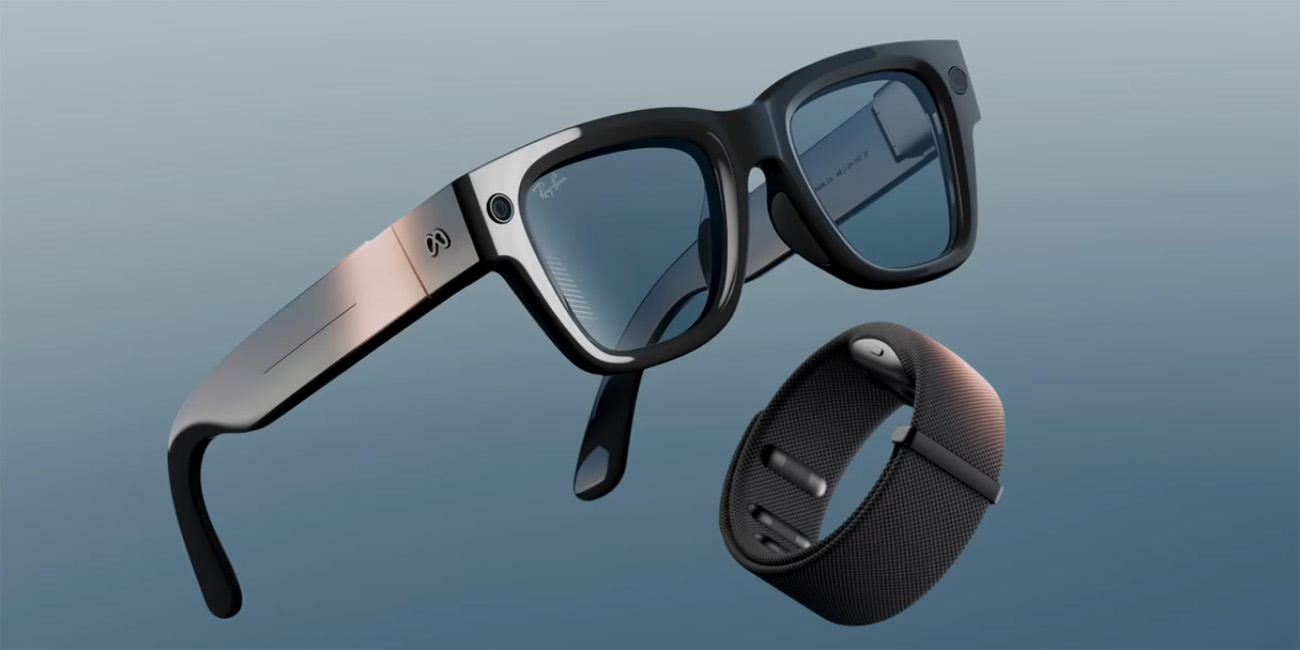
Samsung is poised to make a significant impact in the extended reality (XR) market with its upcoming Galaxy Glasses, a device that integrates advanced features into a sleek, wearable form. Recent reports indicate that these glasses will be equipped with a 245 mAh battery, aligning closely with the 248 mAh battery found in Meta’s Ray-Ban Display glasses. This similarity suggests that Samsung’s Galaxy Glasses will include a display, distinguishing them from earlier models that lacked this feature.
The inclusion of a display in the Galaxy Glasses marks a substantial advancement in Samsung’s wearable technology. Previous iterations, such as the Samsung XR glasses developed in collaboration with Google, were reported to lack displays, focusing instead on functionalities like AI integration and gesture recognition. The decision to incorporate a display in the Galaxy Glasses indicates Samsung’s commitment to providing a more immersive user experience.
Battery life is a critical factor in wearable technology. Meta’s Ray-Ban Display glasses offer approximately six hours of usage on a 248 mAh battery. While Samsung has not yet disclosed the expected battery life for the Galaxy Glasses, the comparable battery capacity suggests a similar performance. This duration is suitable for daily activities but may require users to recharge the device regularly.
In addition to the Galaxy Glasses, Samsung is reportedly enhancing the battery capacities of other devices in its ecosystem. The upcoming Galaxy Watch 9, particularly the 44mm model, is expected to feature a 435 mAh battery, maintaining the capacity of its predecessor, the Galaxy Watch 8. Similarly, the Galaxy Tab S12+ is anticipated to house a 10,500 mAh battery, offering a modest increase over the Galaxy Tab S10+.
The development of the Galaxy Glasses is part of Samsung’s broader strategy to establish a strong presence in the XR market. The company has been actively working on various XR devices, including the Project Moohan Android XR headset, which was unveiled at Mobile World Congress 2025. This headset, powered by Qualcomm’s Snapdragon XR2+ Gen 2 processor, features a 4K micro-OLED display and an external battery pack, emphasizing Samsung’s dedication to delivering high-quality XR experiences.
Samsung’s foray into XR wearables is not without challenges. The company has faced issues with battery technology in the past. For instance, there have been reports of swollen batteries in devices like the Galaxy Ring, leading to safety concerns. These incidents underscore the importance of rigorous testing and quality control in the development of new wearable devices.
The Galaxy Glasses are expected to offer a range of features designed to enhance user interaction and convenience. Potential functionalities may include AI-driven assistance, gesture recognition, and seamless integration with other Samsung devices. By leveraging its expertise in display technology and user interface design, Samsung aims to create a product that not only meets but exceeds consumer expectations in the XR space.
As the XR market continues to evolve, competition among tech giants is intensifying. Companies like Meta and Apple have already introduced their own XR devices, setting high standards for performance and user experience. Samsung’s entry into this arena with the Galaxy Glasses signifies its determination to be a key player in shaping the future of augmented and virtual reality technologies.
In conclusion, Samsung’s upcoming Galaxy Glasses represent a significant step forward in the company’s XR initiatives. With features like an integrated display and a battery capacity comparable to existing market leaders, these glasses are poised to offer users a compelling and immersive experience. As more details emerge, consumers and industry observers alike will be keen to see how Samsung’s latest innovation stacks up against the competition and what it means for the future of wearable technology.