Apple’s MacBook Neo 2: No Touchscreen, But Performance Upgrades Ahead
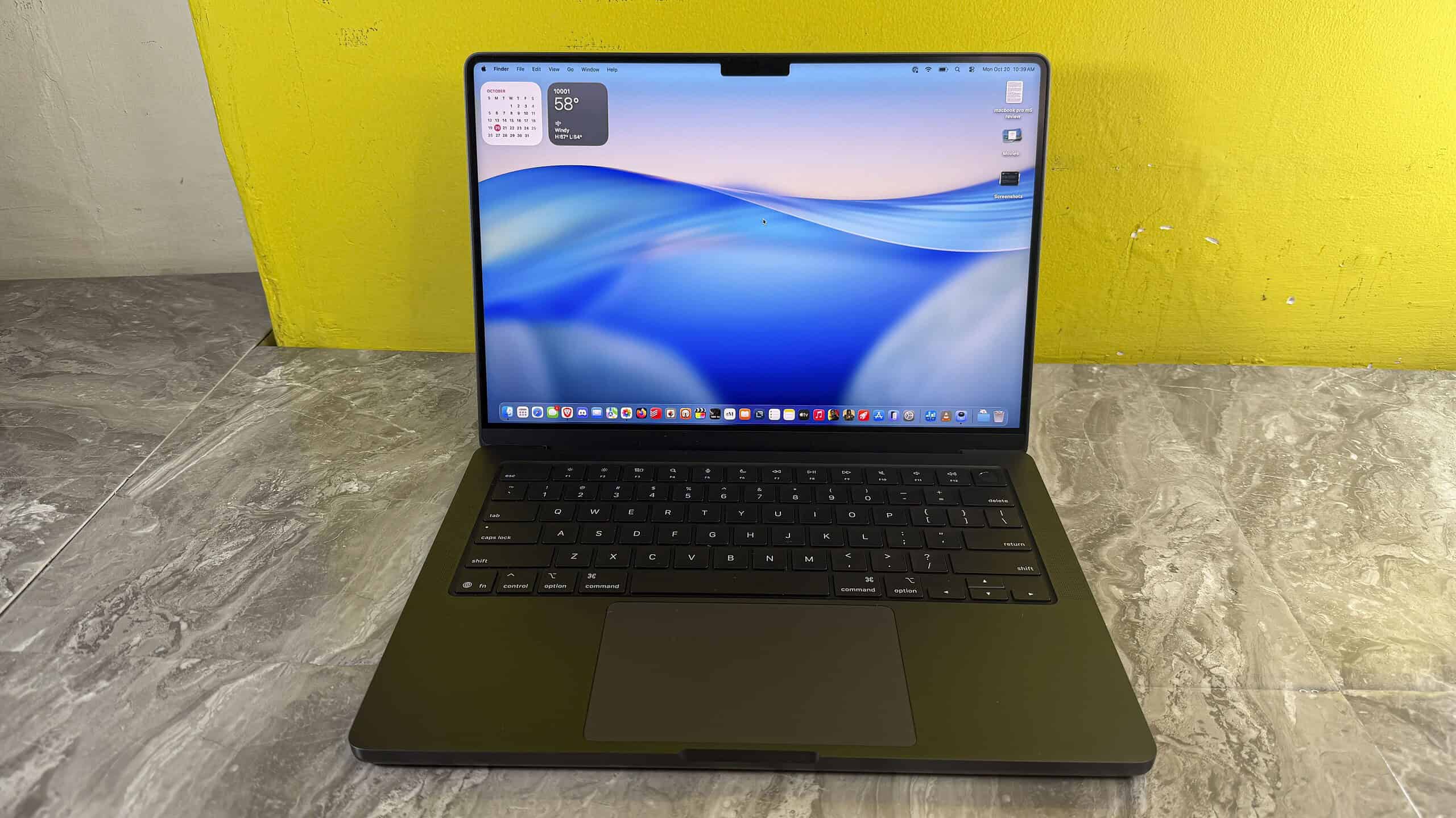
Apple’s forthcoming second-generation MacBook Neo is poised to continue its focus on affordability and performance, foregoing the addition of a touchscreen—a feature that had been the subject of earlier speculation. This decision aligns with Apple’s strategy to maintain the MacBook Neo’s position as an entry-level laptop, emphasizing core enhancements over premium features.
The MacBook Neo, introduced as Apple’s most budget-friendly laptop, starts at $599. It boasts a 13-inch Liquid Retina display, the A18 Pro chip, a fanless design, and up to 16 hours of battery life. Notably, the base 256GB model omits Touch ID, a feature reserved for the higher-priced 512GB variant. This omission underscores Apple’s commitment to balancing cost and functionality in its entry-level offerings.
Industry analyst Ming-Chi Kuo previously suggested that Apple might introduce touchscreens to its MacBook lineup, beginning with a redesigned OLED MacBook Pro expected to enter mass production by late 2026. However, Bloomberg’s Mark Gurman, in his recent Power On newsletter, expressed skepticism about the MacBook Neo adopting this feature in the near future. Gurman stated, I’d be shocked if a touch screen comes to the Neo in the next three years.
The decision to exclude a touchscreen from the MacBook Neo 2 is likely influenced by cost considerations. Integrating touch capabilities would increase production expenses, potentially elevating the laptop’s price point and diminishing its appeal to budget-conscious consumers. Instead, Apple appears to be focusing on performance enhancements for the upcoming model. Reports indicate that the MacBook Neo 2 will feature the A19 Pro chip and an increase to 12GB of RAM, offering users a more powerful and efficient computing experience without compromising affordability.
Apple’s historical stance on touchscreen integration in Macs has been cautious. Craig Federighi, Apple’s Senior Vice President of Software Engineering, previously expressed reservations about the ergonomics of touchscreen laptops, emphasizing the potential fatigue associated with prolonged use. This perspective has influenced Apple’s design choices, favoring traditional input methods over touch interfaces in its Mac lineup.
The MacBook Neo’s design also reflects a minimalist approach to connectivity. The laptop relies solely on USB-C ports for charging, omitting the MagSafe connector found in other MacBook models. This design choice simplifies the port layout and offers flexibility, as both USB-C ports support charging. However, users should note that the two ports have different capabilities: one supports USB-C 3 with speeds up to 10 Gb/s and DisplayPort for external monitors, while the other supports USB-C 2 with speeds up to 480 Mb/s.
In summary, the upcoming MacBook Neo 2 is set to prioritize performance improvements over the addition of a touchscreen. By focusing on core enhancements like the A19 Pro chip and increased RAM, Apple aims to deliver a compelling and affordable laptop that meets the needs of budget-conscious consumers without introducing features that could inflate costs.