Honda’s Strategic Shift: Discontinuing EVs Amid Industry Transformation
In a significant move, Honda has announced the cessation of its electric vehicle (EV) programs, including the Acura RDX, Honda 0 Series sedan and SUV, and the Prologue. This decision marks a pivotal shift in the company’s approach to the rapidly evolving automotive landscape.
A Brief Foray into Electric Vehicles
Honda’s journey into the EV market has been marked by cautious steps. The Honda e, a compact electric hatchback introduced in 2020, garnered attention for its retro design and advanced technology. However, production ceased in January 2024 due to underwhelming sales and limited driving range compared to competitors. Similarly, the Acura ZDX, launched in 2024 as Acura’s first electric SUV, saw its production end in September 2025, influenced by changing market conditions and the expiration of federal EV tax credits.
Collaborations and Cancellations
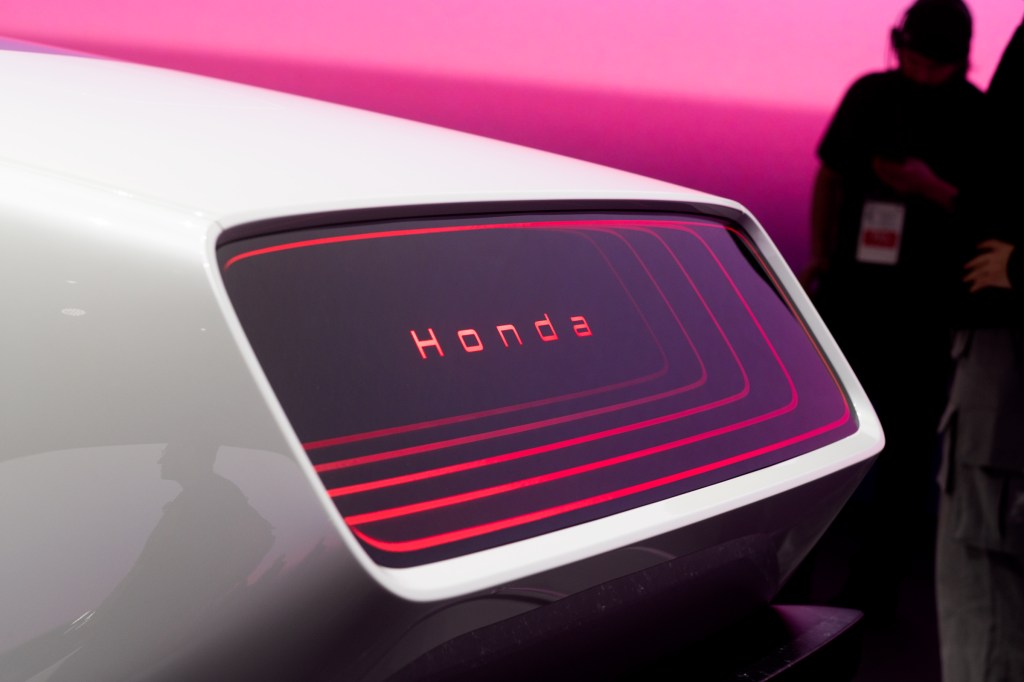
In April 2022, Honda and General Motors (GM) announced a partnership to develop affordable compact electric SUVs, aiming for a 2027 release. However, by October 2023, this collaboration was terminated due to rising costs and challenges in achieving adequate driving range. Despite these setbacks, Honda continued to explore the EV market, unveiling the Honda 0 Series at CES 2024, which included a sedan and an SUV emphasizing aerodynamics and advanced technology. These models were slated for a 2026 release but were canceled in March 2026 due to profit losses.
Shifting Focus to Hybrid Technology
Amid these developments, Honda has recalibrated its strategy, placing a renewed emphasis on hybrid vehicles. In May 2025, the company announced a reduction in its EV investment from ¥10 trillion to ¥7 trillion, redirecting resources toward hybrid technology and electric two-wheelers, particularly in markets like India. This strategic pivot reflects Honda’s response to the global slowdown in EV demand and the intensifying competition from Chinese automakers.
Market Dynamics and Future Outlook
The decision to halt EV production comes at a time when the automotive industry is undergoing a profound transformation. While some manufacturers are doubling down on electric mobility, Honda’s withdrawal raises questions about its long-term competitiveness. The company has set ambitious goals, aiming for full electrification of new vehicles by 2040. However, the current retreat from EVs suggests a more cautious approach, potentially focusing on markets where hybrid vehicles remain in demand.
Implications for the Industry
Honda’s strategic shift underscores the complexities of transitioning to electric mobility. Factors such as production costs, market demand, and regulatory environments play crucial roles in shaping automakers’ decisions. As Honda recalibrates its approach, the industry will be watching closely to see how this strategy unfolds and whether it positions the company for success in a rapidly evolving market.