Article Title:
IT Leaders Rethink Cloud-Only Strategies Amid Vendor Lock-In Concerns
Over the past decade, many IT departments have pursued a cloud-first approach, aiming to migrate all operations to cloud platforms to enhance agility and reduce maintenance overhead. However, as we progress through 2026, this strategy is being reevaluated due to emerging challenges, particularly the risk of vendor lock-in.
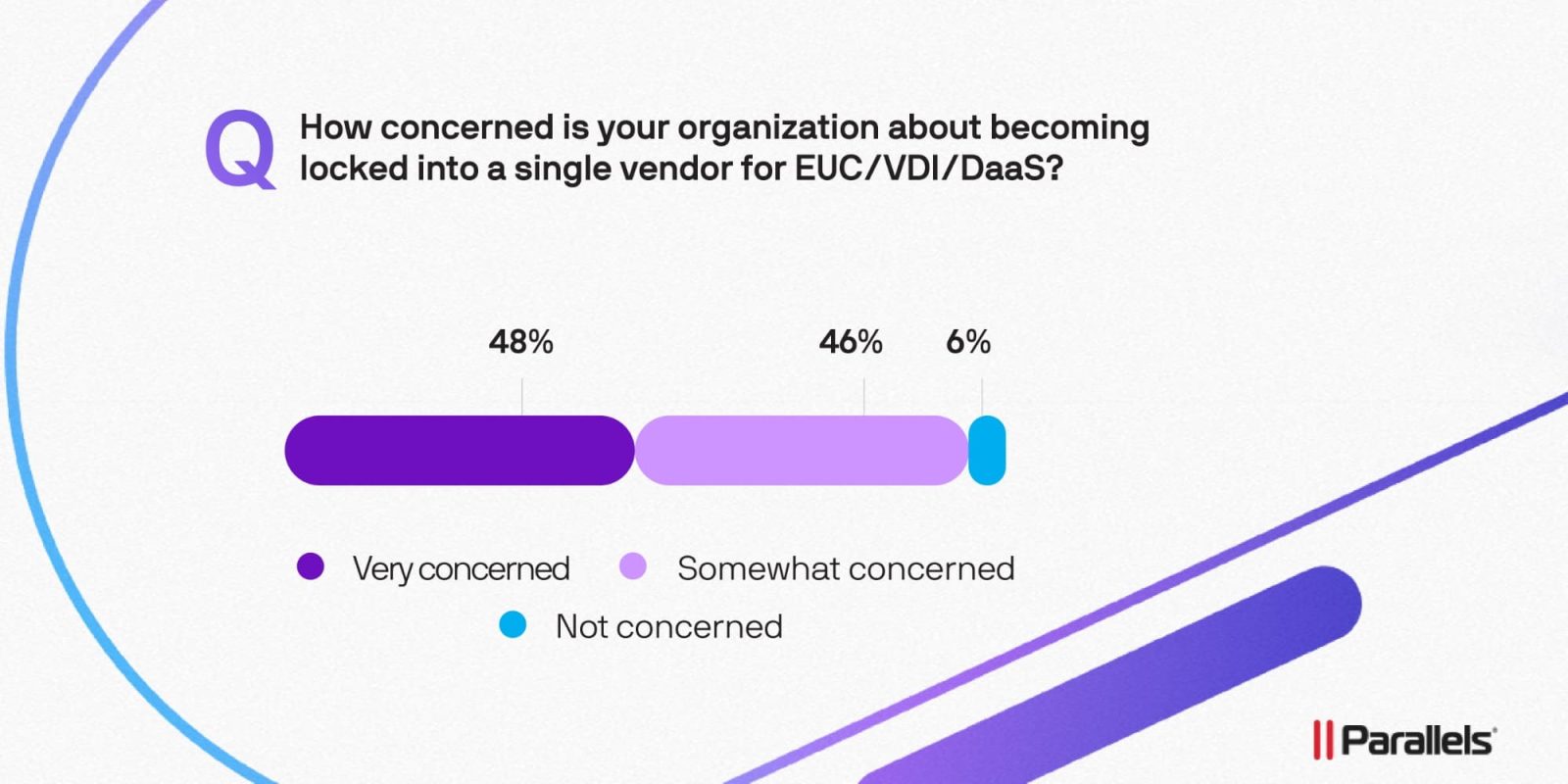
A recent survey by Parallels, titled the 2026 State of Cloud Computing, reveals that a significant 94% of organizations express concerns about becoming too dependent on single cloud service providers. Nearly half of these respondents are very concerned, citing unpredictable product roadmaps and apprehensions about future support as primary reasons. This data indicates a shift in IT leadership priorities, emphasizing the need for flexible architectures that allow for seamless transitions between service providers if necessary.
The Fear of Vendor Lock-In
Vendor lock-in occurs when a company becomes so reliant on a particular vendor’s products or services that switching to another provider becomes prohibitively expensive or complex. This dependency can lead to increased costs, limited flexibility, and potential disruptions if the vendor alters its offerings or pricing structures.
The survey underscores that IT leaders are increasingly wary of this scenario. The initial allure of cloud services—such as scalability, cost savings, and reduced maintenance—has been tempered by the realization that over-reliance on a single provider can lead to significant strategic vulnerabilities.
AI: Moving from Hype to Practical Application
In 2025, the tech industry was abuzz with discussions about artificial intelligence (AI) and its potential to revolutionize various sectors. By 2026, organizations have shifted their focus from theoretical applications to practical implementations that deliver tangible benefits.
The survey highlights that:
– 47% of organizations prioritize AI for issue detection.
– 41% seek automated application patching.
– 39% aim to reduce administrative overhead through AI.
Notably, only 29% of respondents are interested in AI for its own sake, indicating a preference for AI solutions that address specific operational challenges rather than adopting the technology merely to stay on trend.
Balancing Cloud Adoption with On-Premises Solutions
The survey also reveals a nuanced approach to cloud adoption. While 68% of organizations plan to increase their use of cloud services, 32% intend to maintain or even expand their on-premises infrastructure. This balanced strategy reflects a desire to leverage the benefits of cloud computing while retaining control over critical systems and data.
This hybrid approach allows organizations to:
– Mitigate risks associated with vendor lock-in.
– Maintain compliance with regulatory requirements that may necessitate on-premises data storage.
– Optimize performance for specific applications that may not be well-suited for cloud environments.
The Role of Unified Platforms in Mitigating Vendor Lock-In
To address concerns about vendor lock-in, some organizations are turning to unified platforms that integrate various solutions into a single, cohesive system. These platforms offer several advantages:
– Seamless Integration: Unified platforms are designed to work harmoniously, reducing compatibility issues and simplifying management.
– Flexibility: They often support multiple cloud providers, allowing organizations to switch services without significant disruptions.
– Cost Management: By consolidating services, organizations can negotiate better pricing and reduce the complexity of managing multiple vendor relationships.
Conclusion
As the cloud computing landscape evolves, IT leaders are becoming more strategic in their adoption of cloud services. The initial enthusiasm for a cloud-only approach is giving way to a more balanced strategy that considers the risks of vendor lock-in and the practical applications of emerging technologies like AI. By adopting flexible architectures and leveraging unified platforms, organizations can navigate the complexities of modern IT environments while maintaining control over their operations and data.