Apple’s MacBook Neo: A Leap Forward in Repairability
Apple’s latest release, the MacBook Neo, marks a significant shift in the company’s approach to device repairability. Renowned for its sleek designs and cutting-edge technology, Apple has often faced criticism for producing devices that are challenging to repair. However, the MacBook Neo demonstrates a concerted effort to address these concerns, offering a design that balances innovation with user-friendly maintenance.
A New Era of Accessibility
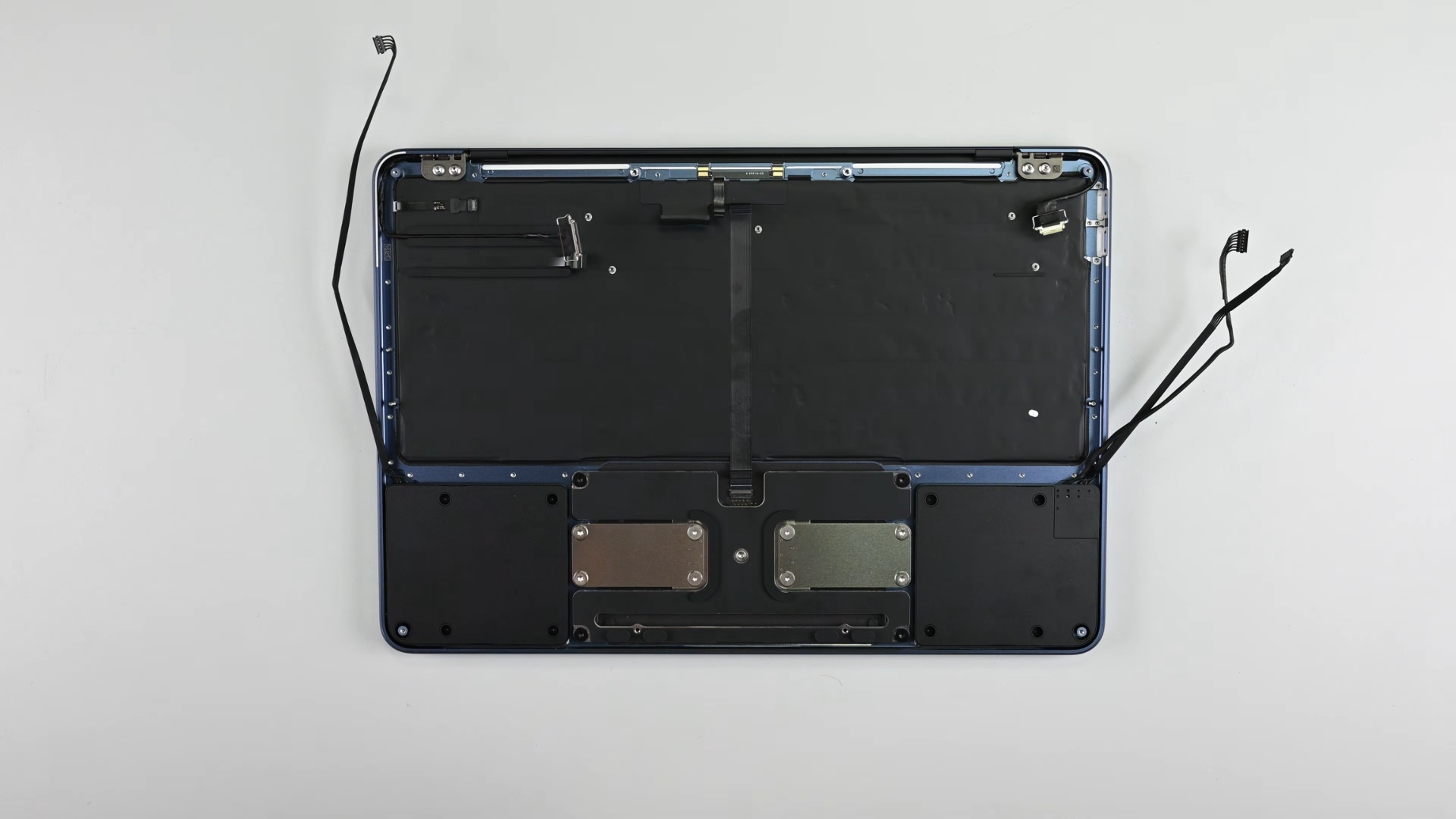
The MacBook Neo’s design simplifies the disassembly process, a welcome change for both professional technicians and tech-savvy users. By removing eight pentalobe screws, the bottom case can be detached without the need for specialized prying tools, a departure from the more complex procedures required for previous models. This streamlined access reveals a thoughtfully organized interior, where key components such as the battery, speakers, USB-C ports, and trackpad are immediately visible and accessible.
Battery Replacement: A User-Friendly Approach
One of the most notable improvements in the MacBook Neo is the method of battery installation. Historically, Apple has utilized strong adhesives to secure batteries, complicating the removal and replacement process. In contrast, the MacBook Neo employs screws to affix the battery to a tray, eliminating the need for adhesive. Although the battery is secured with 18 screws, this method is preferable as it allows for controlled removal and reduces the risk of damage during replacement.
Modular Design Enhances Repairability
The internal layout of the MacBook Neo emphasizes modularity, facilitating easier repairs and replacements. Components such as USB-C connectors, speakers, and the logic board are designed for straightforward disconnection and removal. This modular approach is particularly beneficial for common repairs, including battery replacements, port repairs, and speaker fixes, which are frequent issues in laptops used in educational settings.
Remaining Challenges
Despite these advancements, certain design choices continue to limit the MacBook Neo’s repairability. The soldering of storage and RAM to the logic board prevents upgrades and complicates repairs, a practice that has been a point of contention among repair advocates. Additionally, the keyboard replacement process involves removing 41 screws, making it a time-consuming task, though it remains feasible.
A Step in the Right Direction
iFixit, a respected authority in device teardowns and repairability assessments, has awarded the MacBook Neo a repairability score of 6 out of 10. This rating surpasses that of most modern MacBooks, indicating a positive trend in Apple’s design philosophy. The MacBook Neo exemplifies a balance between durability, cost-effectiveness, and repair accessibility, aligning with the needs of its target audience in educational environments.
Contextualizing the MacBook Neo’s Repairability
The MacBook Neo’s design represents a significant departure from Apple’s previous practices, which often prioritized aesthetics and compactness over repairability. This shift is particularly noteworthy in the context of the broader right-to-repair movement, which advocates for consumers’ ability to repair and modify their own devices.
Historical Challenges in Apple Device Repairability
Apple’s history with device repairability has been fraught with challenges. For instance, the AirPods Pro 3 received a repairability score of 0 out of 10 from iFixit, highlighting the difficulties in repairing or replacing components without causing damage. Similarly, the M5 MacBook Pro, while showing some improvements, still presented obstacles such as buried components and complex part chains that hindered straightforward repairs.
Comparative Analysis with Previous Models
When compared to earlier models, the MacBook Neo’s design changes are even more pronounced. The M5 MacBook Pro, for example, required the removal of multiple internal modules to access the battery, making the replacement process cumbersome and risky. In contrast, the MacBook Neo’s screw-secured battery and modular component layout significantly reduce the complexity and risk associated with common repairs.
Implications for the Right-to-Repair Movement
The MacBook Neo’s design improvements have broader implications for the right-to-repair movement. By making devices more accessible for repairs, Apple acknowledges the growing demand for products that are not only durable but also maintainable by users and independent repair shops. This shift could influence industry standards, encouraging other manufacturers to consider repairability in their design processes.
Conclusion
The MacBook Neo signifies a pivotal moment in Apple’s approach to device design, reflecting a commitment to enhancing repairability without compromising on performance or aesthetics. While certain limitations persist, the strides made in this model suggest a promising direction for future Apple products. As consumers increasingly value sustainability and the ability to maintain their devices, the MacBook Neo sets a new benchmark for balancing innovation with user-friendly design.