Apple’s Foldable iPhone: A New Era of Multitasking and Design
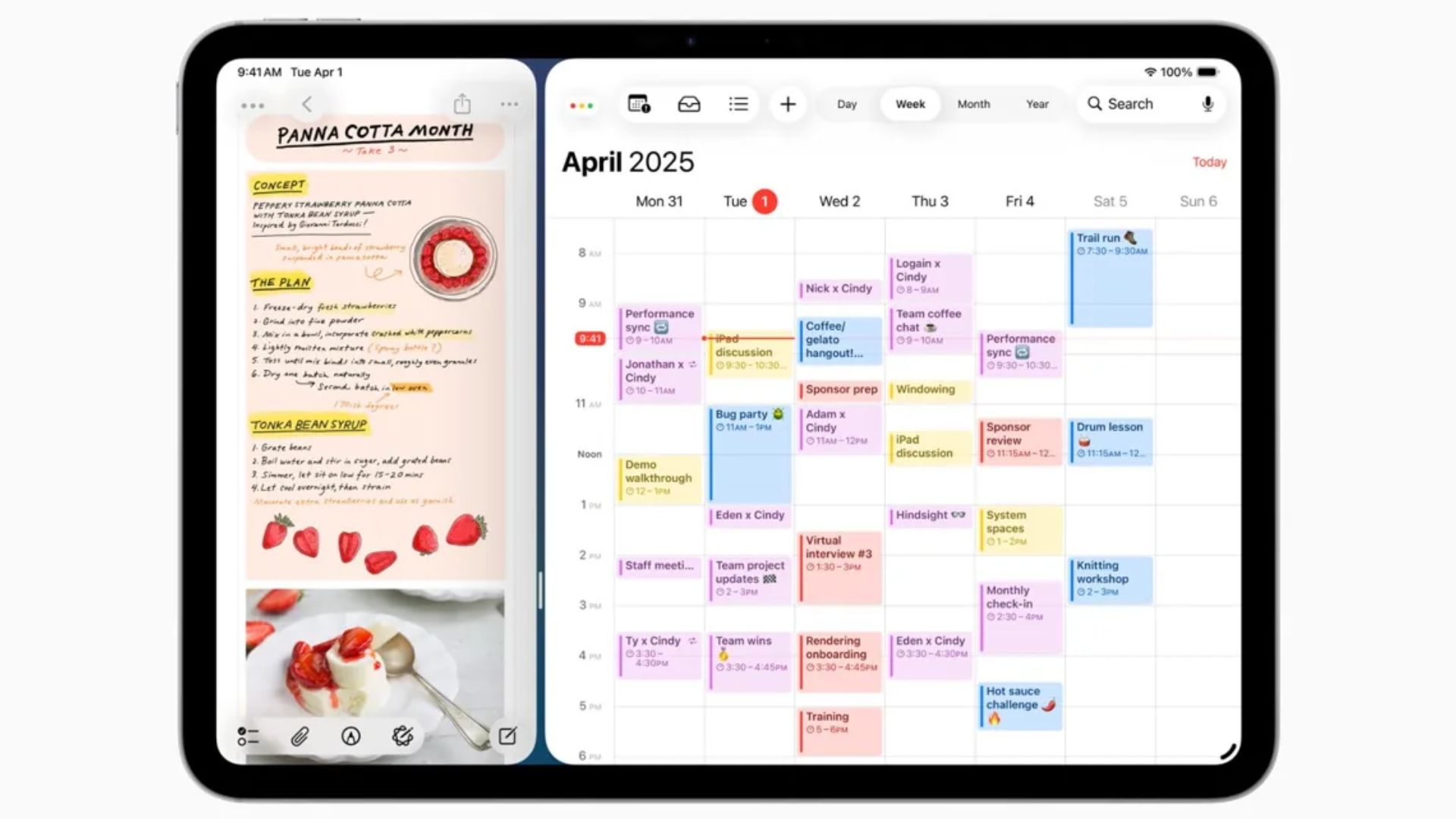
Apple is poised to revolutionize the smartphone market with its first foldable iPhone, introducing features that enhance user experience and multitasking capabilities. This innovative device is expected to offer true split-screen functionality, allowing users to run two applications side by side seamlessly.
Redesigned iOS for Foldable Display
Unlike merely adapting iPadOS to a foldable screen, Apple is reimagining iOS to optimize the expanded display. When unfolded, the device will present a broader interface where applications incorporate sidebars, reminiscent of the iPad’s layout. This design enables users to snap two apps side by side on the main display, maintaining the intuitive feel of the iPhone while providing additional space for productivity.
Hardware Innovations: Touch ID Integration
The foldable iPhone’s slim design poses challenges for incorporating Face ID’s complex depth sensors. To address this, Apple plans to integrate Touch ID into the power button, ensuring secure authentication without compromising the device’s sleek profile. This approach mirrors the functionality seen in recent iPad models, highlighting Apple’s commitment to blending form and function.
Positioning and Pricing Strategy
Apple intends to position the foldable iPhone as an Ultra model, surpassing the Pro Max lineup in both features and price. Reports suggest that the device will start at approximately $2,000, reflecting its premium status. This pricing strategy underscores Apple’s confidence in the foldable iPhone’s value proposition and its appeal to consumers seeking cutting-edge technology.
Software Optimization: Justifying the Investment
To justify the premium price point, Apple is focusing on delivering a seamless software experience. The introduction of side-by-side multitasking on an iPhone marks a significant shift in iOS functionality. Users will be able to view and interact with multiple applications simultaneously, such as checking emails while browsing the web or managing calendars alongside messaging apps. This enhancement aims to boost productivity and cater to the needs of power users.
Market Implications and Consumer Expectations
The success of Apple’s foldable iPhone hinges on the flawless integration of hardware and software. While the device’s innovative design is likely to attract attention, the true test will be its performance in real-world scenarios. Early adopters and tech enthusiasts will scrutinize the device’s multitasking capabilities, expecting a user experience that justifies the substantial investment.
Conclusion
Apple’s foray into foldable smartphones signifies a bold step toward redefining mobile computing. By introducing advanced multitasking features and thoughtful design changes, the company aims to set a new standard in the industry. As the launch date approaches, consumers and analysts alike will be watching closely to see if Apple’s foldable iPhone delivers on its promise of innovation and functionality.