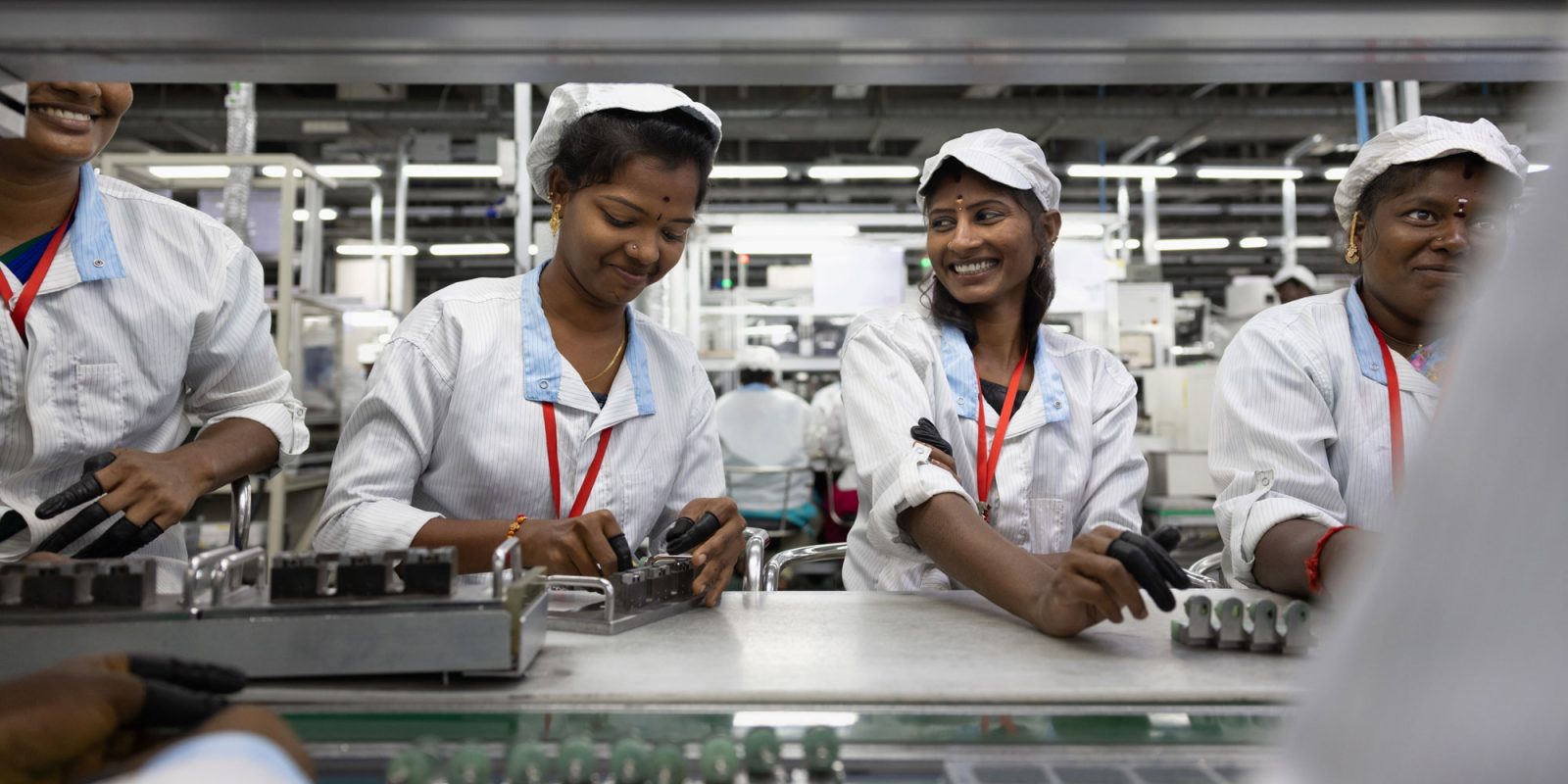
India’s Strategic Incentives Propel Apple’s iPhone Production Shift
In recent years, India has emerged as a pivotal player in the global smartphone manufacturing landscape, particularly for tech giant Apple Inc. The Indian government’s proactive policies, notably the Production-Linked Incentive (PLI) scheme, have been instrumental in attracting substantial foreign investments and fostering a robust manufacturing ecosystem.
Apple’s Manufacturing Milestones in India
Apple’s commitment to diversifying its production base has led to significant milestones in India. In 2025, the company assembled approximately 55 million iPhones within the country, marking a remarkable 53% increase from the 36 million units produced the previous year. This surge has elevated India’s contribution to Apple’s global iPhone output to about 25%, underscoring the nation’s growing importance in the company’s supply chain strategy.
Government Initiatives and Incentives
The Indian government’s PLI scheme has been a cornerstone in this manufacturing boom. By offering financial incentives to companies that produce smartphones locally, the scheme has effectively offset structural cost disadvantages and bolstered India’s appeal as a manufacturing hub. As the current PLI program approaches its expiration, the government is reportedly formulating a new set of incentives aimed at sustaining and accelerating this growth trajectory. These forthcoming incentives are expected to be linked to export performance, encouraging companies to utilize India not only for domestic sales but also as a global manufacturing base.
Strategic Shifts Amid Global Trade Dynamics
Apple’s intensified focus on Indian manufacturing aligns with broader global trade dynamics. The company has been actively seeking to mitigate risks associated with over-reliance on Chinese manufacturing, especially in light of tariff pressures and supply chain vulnerabilities. By expanding its production footprint in India, Apple aims to diversify its supply chain and enhance resilience against geopolitical uncertainties.
Collaborations and Local Partnerships
Collaborations with local partners have been pivotal in Apple’s manufacturing expansion in India. Companies like Tata Electronics and Foxconn have played significant roles in assembling various iPhone models, including the latest iPhone 17 lineup. These partnerships not only facilitate production but also contribute to the development of a skilled workforce and the establishment of a comprehensive supply chain within the country.
Economic Impact and Future Prospects
The surge in iPhone production has had a profound economic impact on India. In 2025, smartphones became the country’s most valuable export category, with total exports exceeding $30 billion. Apple accounted for a substantial 76% of these exports, highlighting the company’s significant contribution to India’s export economy. Looking ahead, the Indian government aims to expand its electronics manufacturing sector to $500 billion by the fiscal year 2030, positioning the country as a global leader in electronics production.
Conclusion
India’s strategic initiatives and favorable policies have successfully attracted major players like Apple to invest in local manufacturing. The symbiotic relationship between government incentives and corporate investment has not only bolstered India’s position in the global supply chain but also provided companies like Apple with a viable alternative to traditional manufacturing hubs. As both parties continue to collaborate and adapt to evolving global trade dynamics, India’s role as a manufacturing powerhouse is poised for further growth and significance.