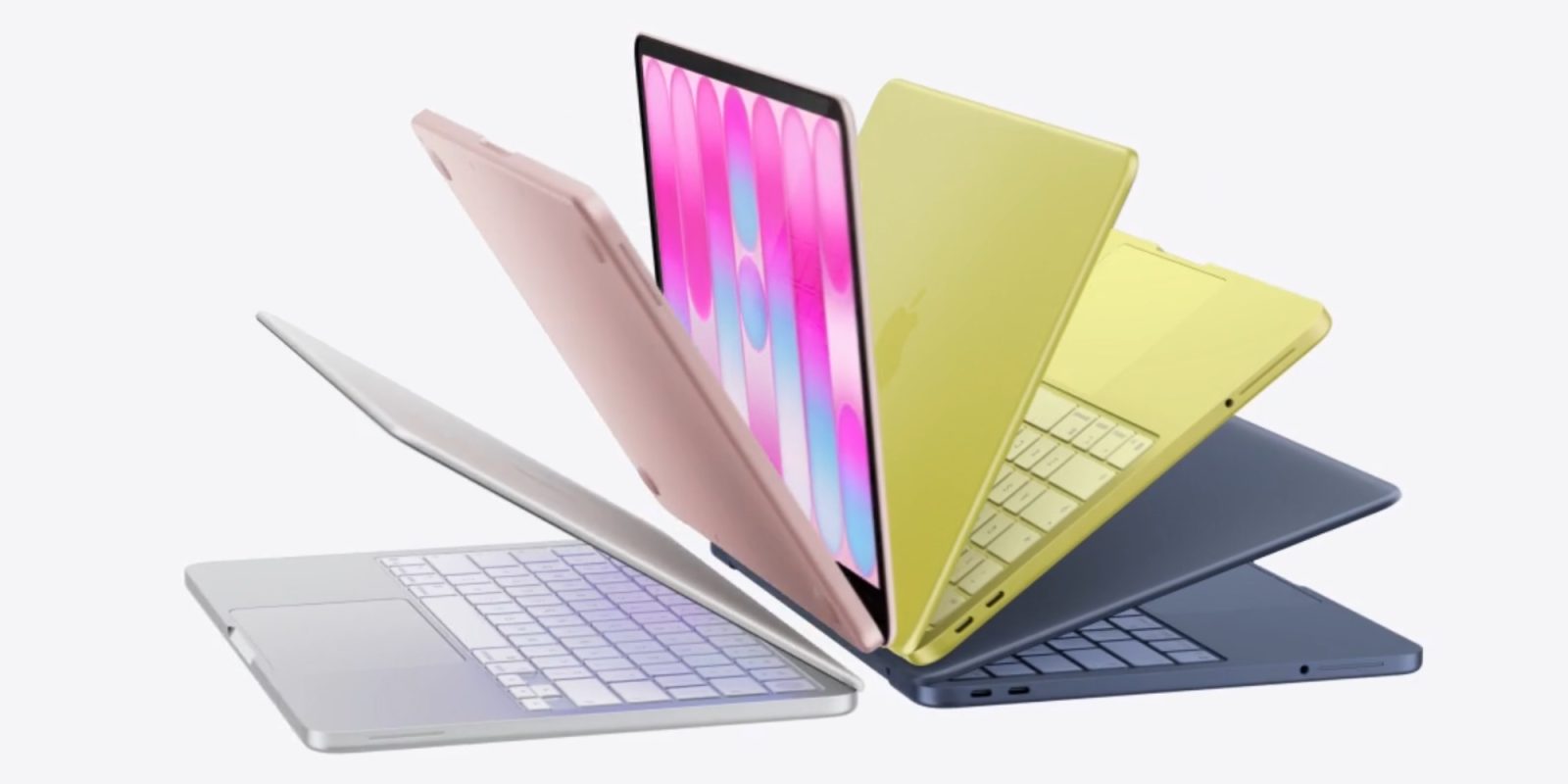
Former Microsoft Executive Reflects on Apple’s MacBook Neo: A Lesson in Innovation
Steven Sinofsky, the former President of Microsoft’s Windows Division, recently shared his insights on Apple’s latest release, the MacBook Neo. In his detailed analysis, Sinofsky not only commends the device but also delves into Microsoft’s past endeavors with lightweight ARM-based PCs, offering a candid reflection on the challenges faced during his tenure.
A Glimpse into Sinofsky’s Tenure at Microsoft
Joining Microsoft in 1989 as a software design engineer, Sinofsky ascended through the ranks to lead various teams associated with Office and Windows. His departure in 2012 marked the end of a significant era for the tech giant. Post-Microsoft, Sinofsky launched Learning by Shipping, a blog dedicated to essays on management, strategy, and the tech industry’s intricacies. His writings are renowned for their transparency, often providing unfiltered critiques and introspections.
The MacBook Neo: A Reflection of Missed Opportunities
In his recent blog post titled Mac Neo and my afternoon of reflection and melancholy, Sinofsky draws parallels between Apple’s MacBook Neo and Microsoft’s earlier attempts to introduce similar devices. He acknowledges the commendable reception of the MacBook Neo, noting its potential to reshape the laptop market. However, he juxtaposes this success with Microsoft’s challenges in executing a comparable vision.
Sinofsky candidly admits that while Microsoft’s strategy was forward-thinking, the execution faltered. He reflects on the company’s ambition to transition the ecosystem to a new app model that prioritized safety, reliability, and power efficiency. Despite having all the necessary components, the rapid shift led to resistance from both developers and users. The commitment to maintaining backward compatibility with x86 systems further complicated the transition to ARM-based devices.
Apple’s Strategic Edge
Contrasting Microsoft’s approach, Sinofsky highlights Apple’s methodical strategy. Over the years, Apple has consistently guided developers towards adopting new APIs and frameworks. This deliberate progression facilitated a smoother transition to ARM-based Macs, culminating in the successful launch of the MacBook Neo. Sinofsky suggests that Apple’s ability to phase out legacy systems and encourage innovation without the constraints of backward compatibility played a pivotal role in their success.
Industry Reactions to the MacBook Neo
The MacBook Neo has garnered widespread acclaim from various quarters of the tech industry. Notably, Marques Brownlee (MKBHD) described it as potentially Apple’s most disruptive product in the last 10+ years. He emphasized the device’s exceptional value proposition, especially when compared to similarly priced Windows laptops. Brownlee’s review underscores the Neo’s potential to redefine consumer expectations in the budget laptop segment.
Similarly, Asus co-CEO S.Y. Hsu acknowledged the MacBook Neo’s competitive pricing, labeling it a shock to the entire industry. While he praised its affordability, Hsu expressed reservations about its capability to handle intensive productivity tasks, pointing out the limitations of its 8GB unified memory. This perspective highlights the ongoing debate about balancing cost and performance in the laptop market.
Performance Beyond Expectations
Contrary to some concerns about its performance capabilities, photographer Tyler Stalman conducted hands-on tests with the MacBook Neo, focusing on professional photo and video workflows. Stalman was pleasantly surprised by the device’s ability to handle demanding tasks, including editing 4K videos, even with multiple applications running simultaneously. His findings challenge the notion that the MacBook Neo is merely a content consumption device, showcasing its potential for professional use.
Market Implications and Future Outlook
The introduction of the MacBook Neo has significant implications for the PC market. Analysts predict that Apple could sell between 4.5 to 5 million units this year, indicating strong consumer interest. This success may prompt competitors to reevaluate their strategies, especially in the budget laptop segment. Sinofsky’s reflections serve as a reminder of the importance of strategic planning, adaptability, and the willingness to embrace change in the ever-evolving tech landscape.
Conclusion
Steven Sinofsky’s review of the MacBook Neo offers more than just an evaluation of a new product; it provides a window into the complexities of innovation within the tech industry. His candid reflections on Microsoft’s past challenges juxtaposed with Apple’s current successes underscore the delicate balance between vision and execution. As the MacBook Neo continues to make waves, it stands as a testament to the rewards of strategic foresight and the courage to break away from legacy constraints.