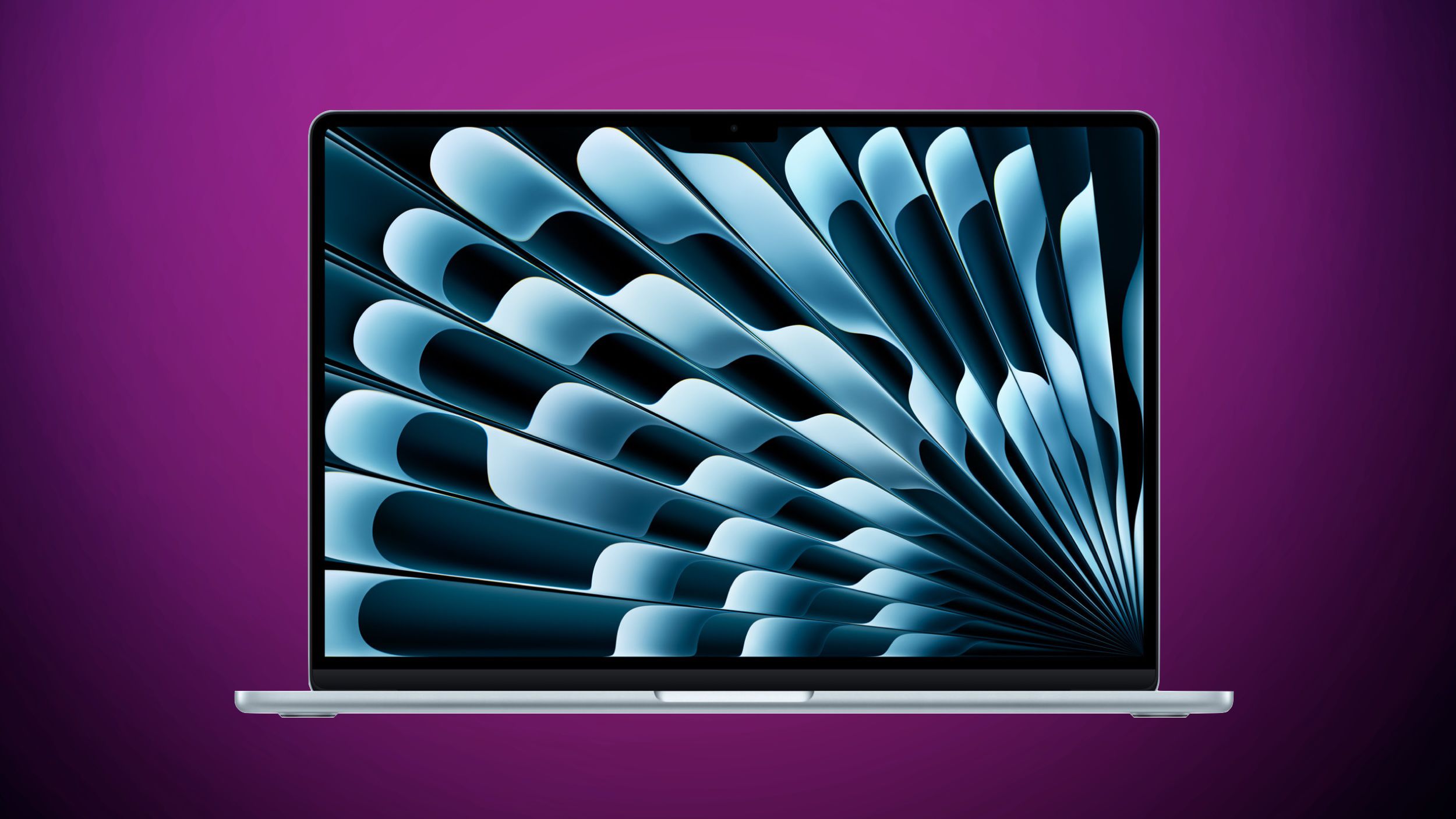
Apple’s MacBook Air to Embrace OLED Technology by 2028
Apple is set to revolutionize its MacBook Air lineup by introducing OLED display technology, with the first models expected to debut in 2028. This strategic move is part of Apple’s broader initiative to transition its flagship devices, including iPads and MacBooks, from traditional LCD and mini-LED screens to advanced OLED displays.
The Journey to OLED: A Timeline
The shift towards OLED displays in Apple’s product range has been gradual and calculated. In 2024, the company integrated OLED screens into its 11-inch and 13-inch iPad Pro models, marking a significant step in adopting this technology for larger devices. While the iPhone and Apple Watch have long benefited from OLED’s superior contrast and color accuracy, scaling this technology to larger screens presents unique challenges, primarily due to cost and manufacturing complexities.
According to reports from Bloomberg, the MacBook Pro is slated to receive an OLED upgrade as early as late 2026. This enhancement is anticipated to include touchscreen functionality, aligning with the evolving demands of users seeking more interactive and versatile computing experiences. Following the MacBook Pro’s transition, the MacBook Air is expected to adopt OLED technology in 2028. This timeline reflects Apple’s commitment to ensuring that OLED technology becomes more cost-effective and accessible before integrating it into its mid-range devices.
Advantages of OLED Displays
The adoption of OLED displays brings several notable benefits:
– Enhanced Visual Quality: OLED screens offer richer colors and deeper blacks, resulting in a more immersive viewing experience.
– Improved Power Efficiency: Unlike LCDs, OLEDs can turn off individual pixels to display true blacks, conserving energy and potentially extending battery life.
– Wider Viewing Angles: OLED technology provides consistent color and brightness across a broader range of viewing angles, enhancing usability in various lighting conditions.
Interim Display Enhancements
Before the full transition to OLED, Apple is reportedly planning to upgrade the MacBook Air’s display with advanced LCD panels featuring Oxide TFT technology by 2027. This interim enhancement aims to offer improved color accuracy, higher contrast ratios, and better power efficiency compared to the current amorphous silicon (a-Si) panels. Such upgrades are designed to bridge the gap between existing LCD technology and the forthcoming OLED displays, ensuring users experience continuous improvements in display quality.
Market Considerations and Challenges
The decision to delay the MacBook Air’s OLED integration until 2028 is influenced by several factors:
– Cost Implications: High-quality OLED displays are currently expensive to produce. Integrating them into the MacBook Air without significantly increasing the device’s price requires careful planning and advancements in manufacturing efficiency.
– Supply Chain Dynamics: Ensuring a stable and sufficient supply of OLED panels for mass production is crucial. Apple’s suppliers, including Samsung Display and BOE, are reportedly enhancing their manufacturing capabilities to meet future demand.
– Consumer Expectations: Apple aims to balance technological advancements with consumer affordability. By waiting until 2028, the company anticipates that OLED production costs will decrease, allowing for the integration of this technology without imposing a significant price hike on consumers.
Future Outlook
Apple’s strategic roadmap indicates a phased approach to OLED adoption across its product lines:
– iPad Mini: Expected to receive OLED displays as early as 2026.
– iPad Air: Anticipated to transition to OLED technology by 2027.
– MacBook Pro: Slated for an OLED upgrade with potential touchscreen functionality by late 2026 or early 2027.
– MacBook Air: Projected to adopt OLED displays in 2028, following the successful integration in higher-end models.
This staggered implementation reflects Apple’s commitment to delivering cutting-edge technology while ensuring product reliability and consumer satisfaction.
Conclusion
The anticipated introduction of OLED displays in the MacBook Air by 2028 signifies a pivotal advancement in Apple’s commitment to enhancing user experience through superior display technology. While the wait may seem lengthy, this timeline ensures that the integration is both technologically and economically viable, aligning with Apple’s standards of quality and innovation.