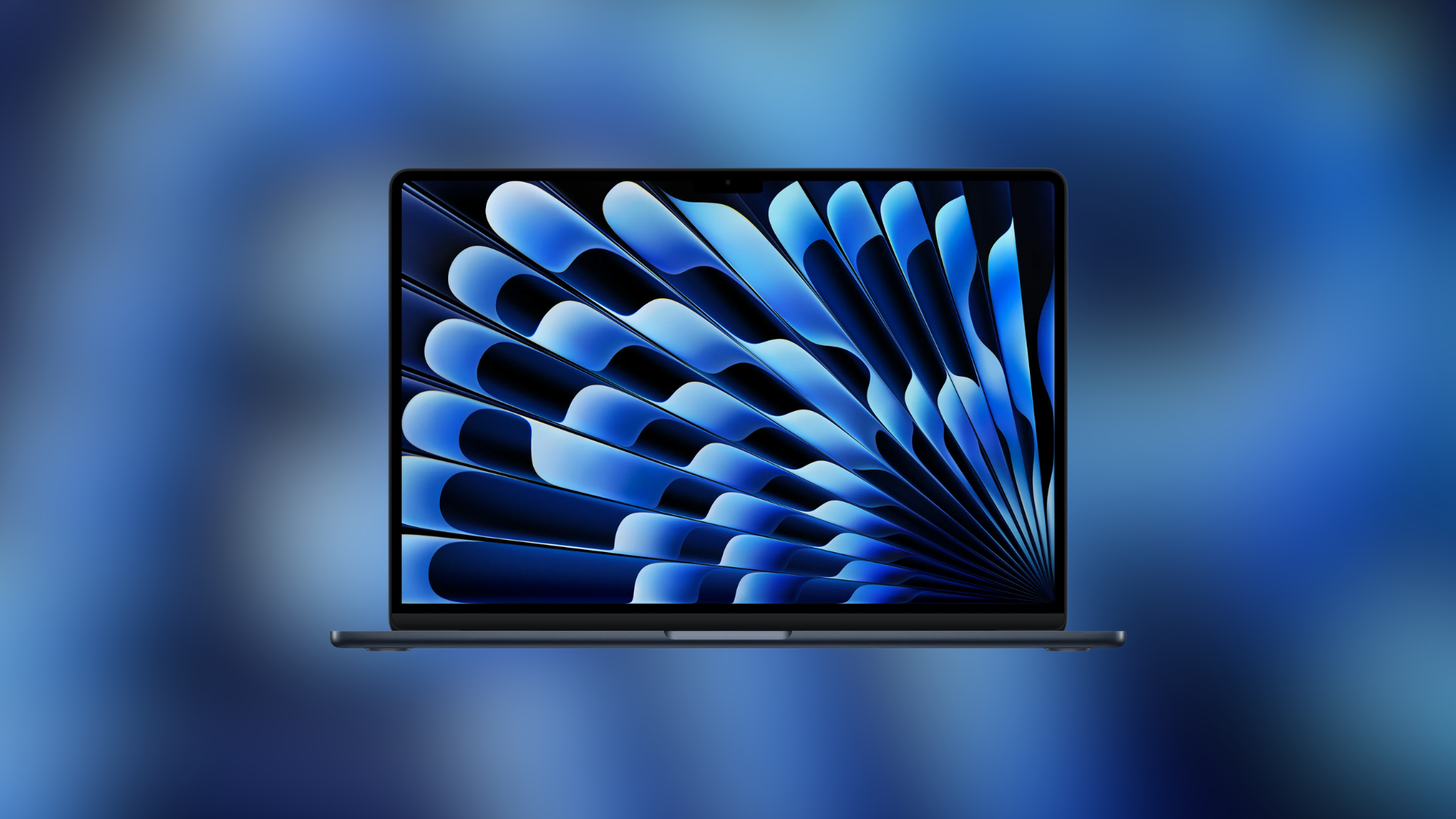
Apple’s OLED MacBook Air: A Glimpse into the Future of MacBook Displays
Apple’s recent introduction of the MacBook Neo has sparked renewed discussions about the future of its laptop lineup, particularly concerning the anticipated transition to OLED displays. Industry analysts, including the reputable Ming-Chi Kuo, have provided insights into this evolution, suggesting a strategic rollout of OLED technology across Apple’s MacBook series.
MacBook Neo: Setting the Stage
The MacBook Neo, priced at $599 and featuring a 13-inch display powered by the A18 Pro chip, marks Apple’s foray into the more affordable laptop segment. Available in colors such as silver, indigo, blush, and citrus, the Neo aims to attract students and first-time Mac buyers. Early projections indicate strong sales, positioning the Neo as a pivotal product in Apple’s strategy to broaden its consumer base.
OLED Transition Timeline
Ming-Chi Kuo’s analysis sheds light on Apple’s roadmap for integrating OLED technology into its MacBook lineup:
– MacBook Pro: Apple is preparing a MacBook Pro model with OLED touch panels for release in late 2026 or early 2027. This model is expected to feature a significant redesign, marking the first major display upgrade for the MacBook line in years. ([macobserver.com](https://www.macobserver.com/news/apples-first-touchscreen-mac-is-an-oled-macbook-pro-in-2026-analyst-says/?utm_source=openai))
– MacBook Air: Following the Pro’s transition, the MacBook Air is projected to adopt OLED panels around 2028 or 2029. This staggered approach suggests that Apple plans to introduce OLED technology in its premium MacBook Pro models before bringing it to the lighter and more affordable Air lineup. ([macobserver.com](https://www.macobserver.com/news/oled-macbook-air-still-years-away-analyst-predicts-2028-or-2029-launch/?utm_source=openai))
Implications of the OLED Shift
The adoption of OLED displays is anticipated to bring several enhancements to the MacBook experience:
– Enhanced Visuals: OLED technology offers deeper blacks, richer colors, and improved contrast ratios, resulting in a more immersive visual experience.
– Energy Efficiency: OLED panels are known for their energy efficiency, which could lead to longer battery life—a crucial factor for portable devices like laptops.
– Design Flexibility: The flexibility of OLED screens may allow for thinner and lighter MacBook designs, aligning with Apple’s emphasis on sleek and portable devices.
Strategic Considerations
Apple’s phased approach to OLED integration reflects a strategic balance between innovation and market readiness:
– Market Testing: By introducing OLED in the MacBook Pro first, Apple can gauge consumer response and address any technical challenges before a broader rollout.
– Cost Management: OLED panels are currently more expensive than traditional LCDs. Starting with the premium Pro line allows Apple to manage costs effectively while offering cutting-edge technology to users willing to invest in higher-end models.
– Supply Chain Coordination: The staggered timeline provides Apple with the opportunity to collaborate closely with suppliers, ensuring a steady and reliable production of OLED panels to meet anticipated demand.
Conclusion
While the transition to OLED displays in the MacBook Air is still a few years away, Apple’s strategic planning indicates a commitment to enhancing user experience through advanced display technology. As the MacBook Pro leads the way with OLED integration, the MacBook Air is poised to follow, promising a future where Apple’s laptops offer unparalleled visual quality and efficiency.