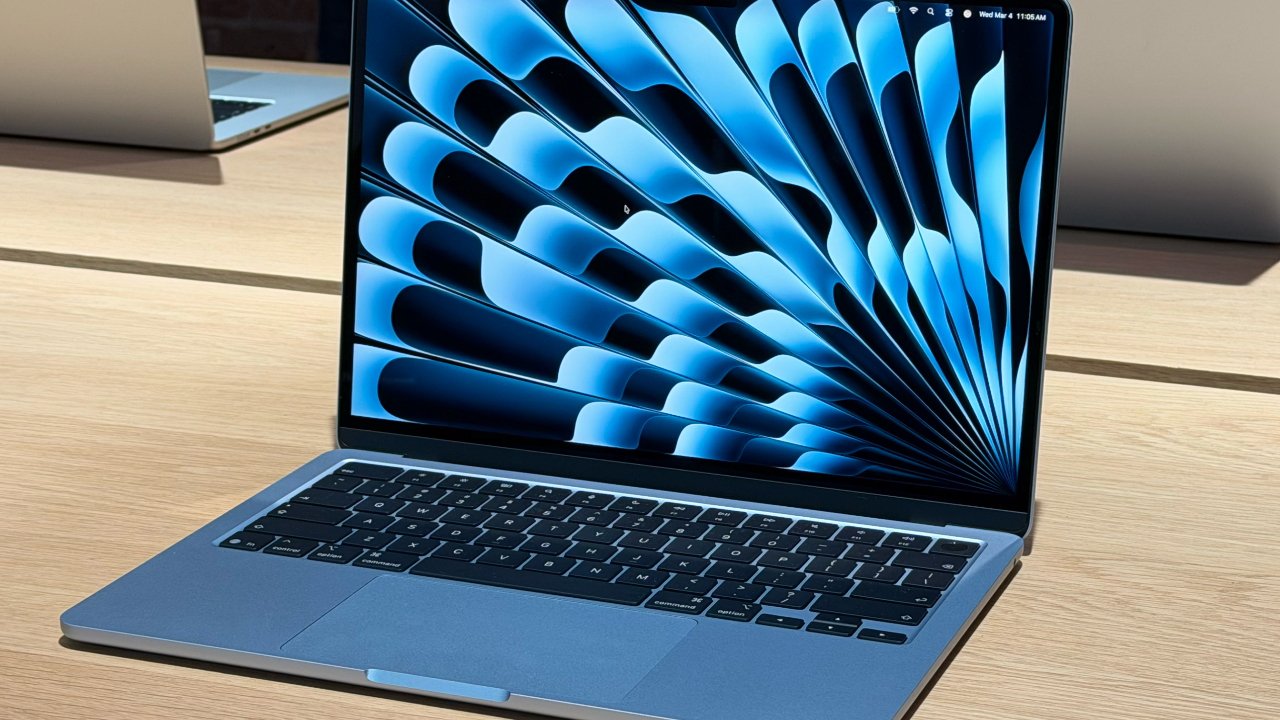
Apple’s OLED MacBook Air: Anticipated Arrival Pushed to 2029
Apple’s transition to OLED displays across its product lineup has been a topic of considerable discussion among tech enthusiasts and industry analysts. While the benefits of OLED technology—such as thinner profiles, higher resolutions, and improved contrast ratios—are well-recognized, the timeline for their integration into Apple’s MacBook series has seen multiple revisions.
Renowned analyst Ming-Chi Kuo has recently provided insights suggesting that the MacBook Air’s adoption of OLED panels might be further delayed, potentially not materializing until 2029. This projection marks a significant shift from earlier expectations, which had anticipated the OLED MacBook Air’s debut as early as 2027.
MacBook Pro’s OLED Transition:
In contrast to the MacBook Air, the MacBook Pro appears to be on a more accelerated path toward OLED integration. Kuo reiterates his previous forecasts, indicating that the MacBook Pro is slated to receive OLED screens in its upcoming update. While initial projections pointed to a late 2026 release, Kuo now suggests that this could extend into early 2027. This phased approach underscores Apple’s strategy to introduce OLED technology to its premium models before extending it to more affordable options.
Factors Influencing the Delay:
Several considerations may be contributing to the postponement of the OLED MacBook Air:
1. Product Differentiation: By equipping the higher-end MacBook Pro with OLED displays ahead of the MacBook Air, Apple can maintain a clear distinction between its product tiers, potentially justifying the price premium of the Pro models.
2. Market Response to OLED iPads: The introduction of OLED screens in the iPad Pro lineup did not generate the anticipated surge in consumer demand. This tepid response may have prompted Apple to reassess the urgency and strategy of implementing OLED technology across other product lines.
3. Supply Chain and Cost Considerations: The production and procurement of OLED panels involve complex supply chain logistics and higher costs. Ensuring a stable supply of high-quality OLED screens at a cost-effective price point is crucial, especially for a high-volume product like the MacBook Air.
Industry Speculations and Reports:
Various industry reports have echoed similar sentiments regarding the OLED MacBook Air’s timeline. For instance, a supply chain report from The Elec indicated that Apple is continuing to plan OLED screens for the MacBook Pro in 2026 but has further delayed an OLED MacBook Air. This aligns with Kuo’s projections and suggests a consistent narrative across multiple sources.
Implications for Consumers:
For consumers eagerly awaiting the enhanced visual experience that OLED technology offers, this extended timeline may come as a disappointment. However, it’s essential to recognize that Apple’s deliberate approach likely aims to ensure optimal product quality and market readiness. In the interim, Apple continues to innovate within its existing product lines, offering incremental upgrades and enhancements to maintain its competitive edge.
Conclusion:
While the integration of OLED displays into Apple’s MacBook Air is on the horizon, current projections suggest that consumers may need to wait until 2029 to see this technology come to fruition in the Air lineup. This strategic pacing reflects Apple’s commitment to product differentiation, market analysis, and supply chain optimization. As always, the tech community remains vigilant, anticipating official announcements and further developments from Apple in the coming years.