Zoox Expands Autonomous Vehicle Testing to Dallas and Phoenix
Zoox, the autonomous vehicle subsidiary of Amazon, has initiated mapping operations in Dallas, Texas, and Phoenix, Arizona, marking a significant step toward expanding its self-driving taxi services into these new markets. This strategic move aims to diversify Zoox’s operational landscape beyond the dense urban environments where it currently operates.
Mapping and Initial Testing
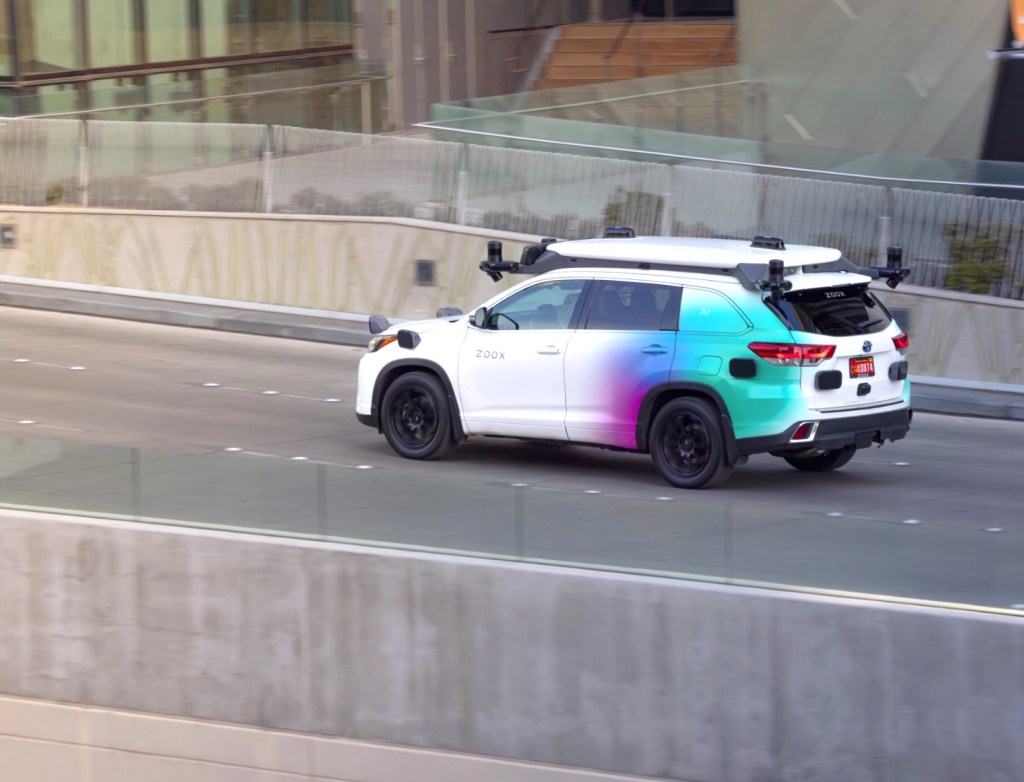
To lay the groundwork for its autonomous fleet, Zoox has deployed a limited number of Toyota Highlander SUVs in both Dallas and Phoenix. These vehicles are being manually driven by Zoox employees to collect comprehensive data on the local roadways, traffic patterns, and infrastructure nuances. This data is crucial for refining the company’s autonomous driving algorithms to ensure safe and efficient navigation in these distinct urban settings.
Following the mapping phase, Zoox plans to commence testing its self-driving technology using these SUVs. This step will allow the company to assess and fine-tune its systems in real-world conditions specific to Dallas and Phoenix. Once these tests are satisfactorily completed, Zoox intends to introduce its custom-designed, purpose-built robotaxis into these cities.
Expansion of Operational Footprint
The inclusion of Dallas and Phoenix will bring Zoox’s operational presence to a total of ten U.S. cities. The company’s existing markets include Atlanta, Austin, Las Vegas, Los Angeles, Miami, the San Francisco Bay Area, Seattle, and Washington, D.C. In Las Vegas and San Francisco, Zoox has been offering complimentary rides through its early-rider program, amassing over a million autonomous miles and transporting more than 300,000 passengers to date.
Regulatory Landscape and Approvals
Despite these advancements, Zoox is still awaiting federal approval to commercially deploy its purpose-built autonomous vehicles, which are uniquely designed without traditional controls such as steering wheels or pedals. In August 2025, the National Highway Traffic Safety Administration (NHTSA) granted Zoox an exemption from certain Federal Motor Vehicle Safety Standards, permitting the company to demonstrate its autonomous vehicles on public roads. However, further exemptions are required for full commercial operation. Additionally, Zoox must obtain permissions from local regulatory bodies that oversee ride-hailing services, such as California’s Public Utilities Commission.
Strategic Significance of Phoenix and Dallas
Phoenix represents a particularly strategic choice for Zoox’s expansion. Arizona’s favorable regulatory environment, characterized by permissive laws, flat terrain, and warm weather, has made it a hub for autonomous vehicle testing. Notably, Waymo, a leading competitor in the autonomous vehicle space, launched its robotaxi service in Phoenix in 2020, setting a precedent for such operations in the region.
By entering the Phoenix market, Zoox positions itself in direct competition with established players like Waymo. This move underscores the company’s commitment to becoming a significant contender in the autonomous ride-hailing industry.
Infrastructure Development and Job Creation
To support its expansion into Dallas and Phoenix, Zoox is establishing operational depots in both cities, along with a new command center in Scottsdale, Arizona. These facilities, referred to as fusion centers by Zoox, will house fleet operations teams responsible for tasks such as remote vehicle guidance and rider support. The establishment of these centers is expected to create hundreds of new jobs, contributing to local economies and bolstering Zoox’s operational capabilities in these regions.
Competitive Landscape
The autonomous vehicle industry is witnessing rapid advancements and increased competition. Waymo, for instance, has been expanding its robotaxi services across multiple U.S. cities, including recent launches in Dallas, Houston, San Antonio, and Orlando. The company has reported providing over 200,000 paid robotaxi rides weekly, highlighting the growing acceptance and demand for autonomous ride-hailing services.
Similarly, other industry players are making significant strides. Lyft, in partnership with Mobileye, announced plans to introduce fully autonomous robotaxis in Dallas as early as 2026. This collaboration aims to integrate Mobileye’s advanced driver-assistance technology into Lyft’s ride-hailing platform, further intensifying competition in the autonomous vehicle sector.
Challenges and Future Prospects
As Zoox continues to expand its operations, it faces several challenges, including navigating complex regulatory landscapes, ensuring the safety and reliability of its autonomous systems, and competing with well-established industry leaders. The company’s ability to secure necessary regulatory approvals and successfully deploy its robotaxis in new markets will be critical to its long-term success.
Moreover, public acceptance of autonomous vehicles remains a pivotal factor. Building trust through transparent operations, consistent safety records, and positive user experiences will be essential for Zoox to gain a foothold in the competitive ride-hailing market.
Conclusion
Zoox’s initiation of mapping and testing operations in Dallas and Phoenix signifies a bold step in its mission to revolutionize urban mobility through autonomous technology. By expanding into these new markets, the company not only broadens its operational reach but also positions itself as a formidable competitor in the rapidly evolving autonomous vehicle industry. As Zoox progresses toward commercial deployment, its efforts in these cities will serve as critical benchmarks for the viability and scalability of its autonomous ride-hailing services.