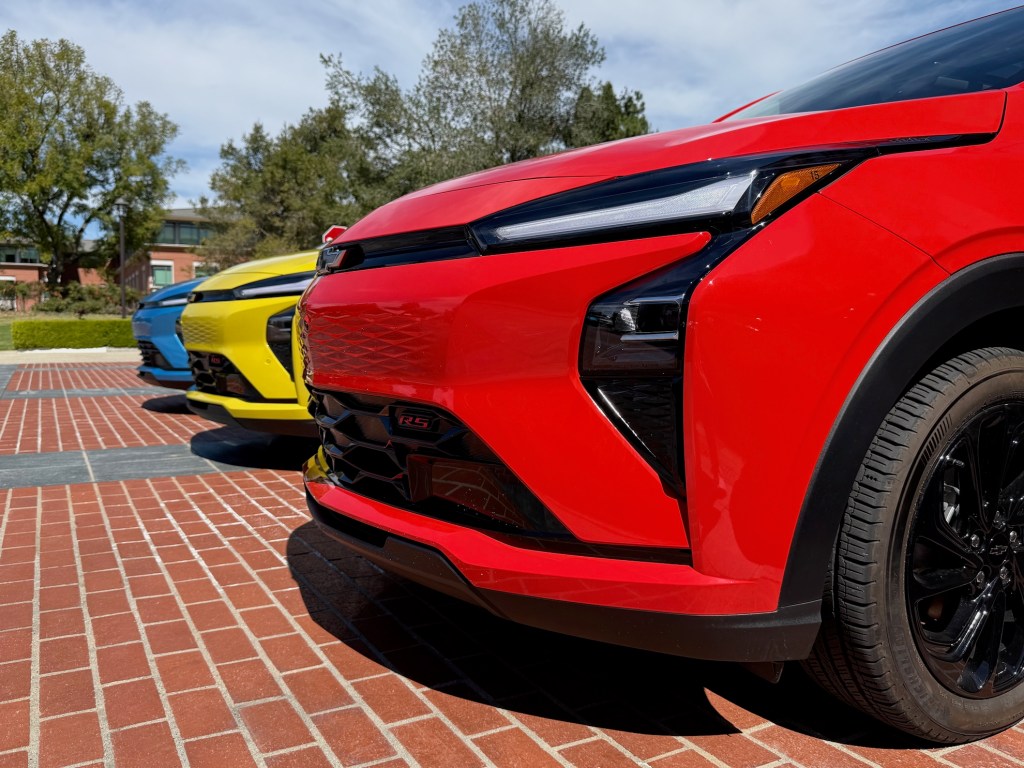
GM’s Strategic Revival of the Chevy Bolt: Navigating the EV Landscape
In a significant move that underscores its commitment to electric vehicles (EVs), General Motors (GM) has reintroduced the Chevrolet Bolt, a decision influenced by a combination of strategic factory utilization, advancements in EV technology, and a keen understanding of market dynamics.
Optimizing Manufacturing Resources
GM’s Fairfax Assembly Plant in Kansas, previously dedicated to producing the Chevy Malibu, faced a production hiatus following the Malibu’s discontinuation two years prior. With plans to commence manufacturing the Chevy Equinox SUVs in mid-2027 and Buick Envisions in 2028, the plant had a substantial interim period of underutilization. Introducing the Bolt into this production gap allowed GM to maximize its manufacturing resources efficiently.
Leveraging Technological Advancements
The original 2017 Bolt marked GM’s ambitious foray into the EV market, necessitating the development of new motors, battery management systems, and collaboration with LG Chem (now LG Energy Solution) for battery packs. This endeavor required significant investment in research and development. Fast forward to the present, GM’s expanded EV portfolio across Chevrolet, Cadillac, and GMC brands has resulted in a wealth of shared components and technological expertise. This evolution enabled the new Bolt to benefit from existing technologies, reducing production costs and enhancing vehicle performance.
Enhanced User Experience
The latest Bolt model integrates the Android Automotive operating system, offering drivers a seamless interface that monitors battery status, suggests optimal charging stations along routes, and prepares the battery for efficient charging. Under the hood, the vehicle incorporates the Chevy Equinox’s front-drive motor, delivering 200 horsepower. Despite a torque rating of 169 pound-feet, the motor’s design allows for higher efficiency and faster rotation, compensating for the torque difference and maintaining robust performance.
Incremental Improvements Yielding Significant Gains
Through meticulous engineering, the new Bolt achieves an additional 15 miles of range compared to its predecessor, the Bolt EUV. This enhancement results from the integration of a more efficient motor and advanced power electronics, reflecting GM’s commitment to continuous improvement in EV technology.
Financial Viability and Market Strategy
GM anticipates that the reintroduced Bolt will achieve profitability, addressing challenges faced by earlier models. The broader EV market has presented uncertainties, with GM reporting a $6 billion charge due to slower-than-expected EV adoption. Despite these challenges, GM remains steadfast in its commitment to an all-electric future, aiming to phase out fossil fuel vehicles by 2035.
A Pragmatic Approach to EV Development
The revival of the Bolt exemplifies GM’s strategic approach to EV development, emphasizing the benefits of shared technology and incremental advancements. While groundbreaking platforms garner attention, GM’s focus on steady, cost-effective improvements positions the company to navigate the evolving EV landscape effectively.