German Publishers Challenge Apple’s App Tracking Transparency Amid Antitrust Scrutiny
Apple’s App Tracking Transparency (ATT) feature, introduced in 2021, has been a focal point of contention within the digital advertising landscape. Designed to empower users by granting them control over app-based tracking, ATT has faced significant opposition from advertisers and publishers, particularly in Germany.
The Core of the Controversy
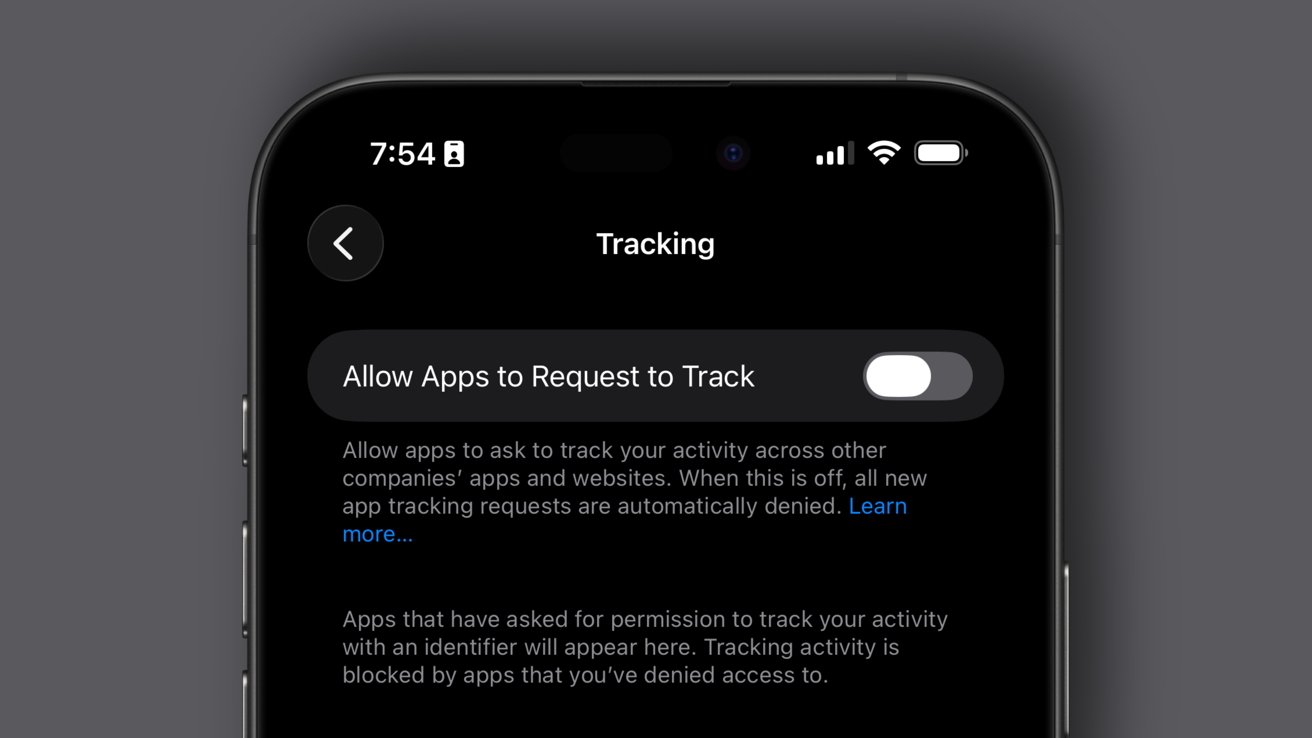
ATT requires apps to obtain explicit user consent before tracking their activities across other companies’ apps and websites. While this initiative has been lauded by privacy advocates, it has disrupted traditional advertising models that rely heavily on user data for targeted marketing. German publishers argue that ATT disproportionately benefits Apple’s own advertising endeavors, potentially violating antitrust regulations.
German Publishers’ Stance
The German Association of the Branded Goods Industry, along with other industry groups, has been vocal in its criticism of ATT. They contend that Apple’s implementation of ATT does not address the underlying issues in the mobile advertising market. Specifically, they highlight that while third-party apps are subjected to stringent tracking restrictions, Apple’s own apps are not held to the same standards. This perceived imbalance has led to calls for regulatory intervention.
Bernd Nauen, chief executive of the German Advertising Federation, emphasized the concern, stating, Apple would remain the data gatekeeper and would continue to decide who gets access to advertising-relevant data and how companies can communicate with their end customers. This sentiment underscores the belief that Apple’s control over data access could stifle competition and innovation within the advertising sector.
Regulatory Actions and Apple’s Response
In response to these concerns, Germany’s Federal Cartel Office (Bundeskartellamt) initiated an antitrust investigation into Apple’s ATT framework. The investigation aims to determine whether ATT’s implementation constitutes anti-competitive behavior by favoring Apple’s services over those of third-party developers.
Apple has defended its position by asserting that ATT is a tool designed to protect user privacy and that it applies equally to all developers, including Apple itself. The company stated, At Apple, we believe privacy is a fundamental human right, and we introduced App Tracking Transparency to give users a simple way to control whether apps have permission to track their activity across other companies’ apps and websites.
International Perspectives
The debate over ATT is not confined to Germany. In France, the competition authority fined Apple $162.4 million in March 2025 for aspects of its tracking framework, arguing that ATT gave Apple favorable conditions not extended to competitors. However, the French court allowed Apple to continue using ATT without modifications.
These international cases highlight the broader tension between tech companies’ privacy initiatives and the advertising industry’s reliance on user data.
Potential Implications
The outcome of Germany’s antitrust investigation could have far-reaching implications for the digital advertising ecosystem. If regulators determine that ATT violates antitrust laws, Apple may be compelled to modify or even disable the feature in certain regions. Such a decision could reshape how user data is handled and how advertising strategies are developed across the industry.
Conversely, if Apple’s implementation of ATT is upheld, it could set a precedent for other tech companies to adopt similar privacy-focused measures, further challenging traditional advertising models.
Conclusion
The ongoing scrutiny of Apple’s App Tracking Transparency by German publishers and regulators underscores the complex interplay between user privacy, corporate control over data, and the economic interests of the advertising industry. As this situation unfolds, it will be crucial to balance the rights of users to control their personal information with the needs of businesses to operate effectively in the digital marketplace.