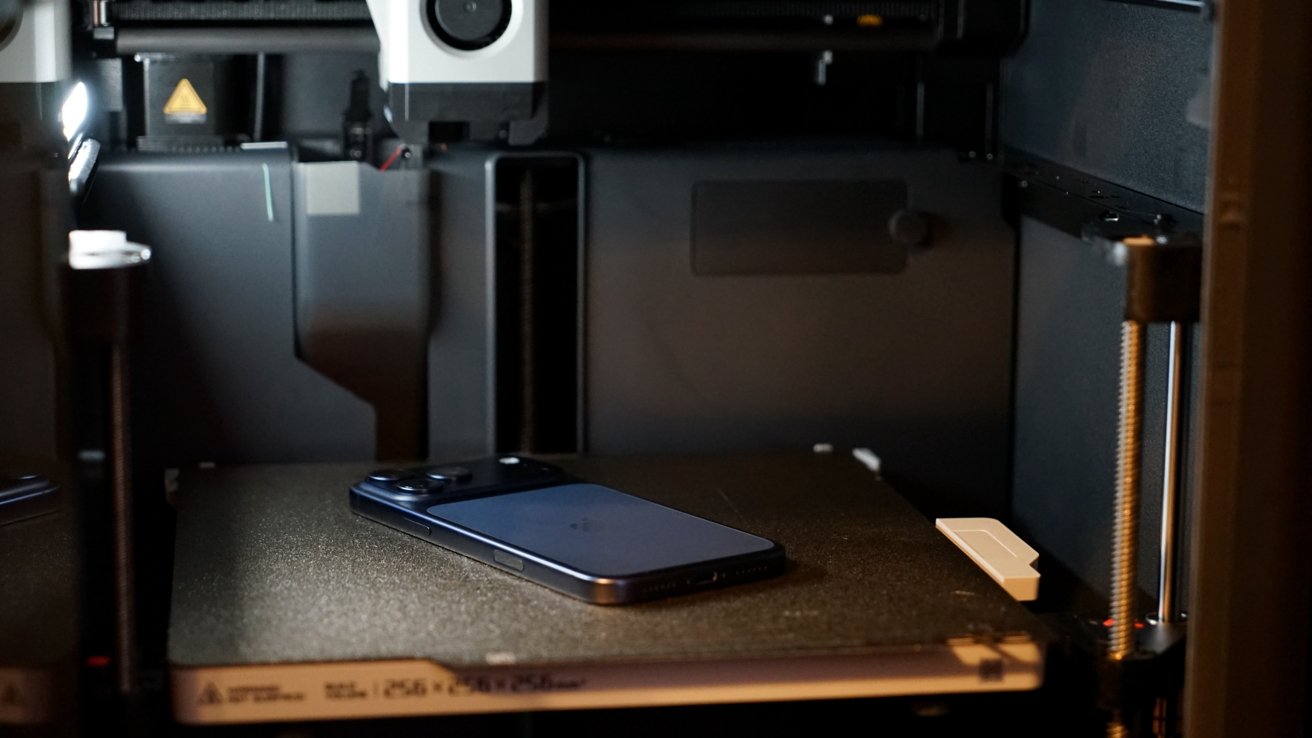
Apple’s Leap into 3D Printing: Pioneering the Future of iPhone Manufacturing
In the ever-evolving landscape of technology, Apple stands at the forefront of innovation, continually seeking methods to enhance product design and manufacturing efficiency. A significant stride in this direction is the company’s exploration of 3D printing technologies, particularly focusing on the production of aluminum components for devices like the iPhone.
Embracing 3D Printing in Manufacturing
Apple’s journey into 3D printing began with the Apple Watch Ultra 3, which features a 3D-printed titanium unibody case. This marked the company’s inaugural venture into additive manufacturing, setting the stage for broader applications across its product lineup. The success of this endeavor has spurred Apple to expand its use of 3D printing, with the iPhone emerging as a prime candidate for this innovative manufacturing process.
The adoption of 3D printing offers several compelling advantages:
– Material Efficiency: Traditional manufacturing methods often result in significant material waste. 3D printing, by contrast, builds components layer by layer, utilizing only the necessary material and thereby reducing waste. For instance, Apple has managed to produce the entire Mac mini lineup using excess shavings from other machining processes, showcasing a commitment to sustainability.
– Cost Reduction: By minimizing material waste and streamlining production processes, 3D printing can lead to substantial cost savings. This efficiency is particularly beneficial for producing budget-friendly models, allowing Apple to offer high-quality products at more accessible price points.
– Environmental Impact: Reducing material waste aligns with Apple’s environmental goals, including achieving net-zero emissions by 2030. 3D printing contributes to this objective by promoting more sustainable manufacturing practices.
Challenges in 3D Printing Aluminum
While the benefits are clear, transitioning to 3D printing aluminum components presents a unique set of challenges:
– Material Properties: Aluminum’s lower density and higher thermal conductivity compared to titanium can complicate the 3D printing process. Rapid cooling during printing may lead to issues such as warping, cracking, and residual stresses, which can compromise the structural integrity of the final product.
– Alloy Selection: Apple traditionally utilizes 6000-series aluminum, specifically the 6061-T6 alloy, known for its strength and corrosion resistance. However, this alloy may not be optimal for 3D printing. Alternatives like aluminum-copper and aluminum-zinc alloys are more commonly used in additive manufacturing due to their favorable printing characteristics, necessitating a reevaluation of material choices.
– Process Optimization: Achieving consistent quality in 3D-printed aluminum parts requires precise control over printing parameters. Factors such as laser power, scanning speed, and layer thickness must be meticulously calibrated to prevent defects and ensure the desired mechanical properties.
Current Applications and Future Prospects
Apple has already integrated 3D printing into several products:
– Apple Watch Series 11 and Ultra 3: These models feature 3D-printed titanium components, demonstrating the feasibility and benefits of additive manufacturing in consumer electronics.
– iPhone Air: Certain parts, including the USB-C port, are produced using 3D printing techniques, contributing to the device’s slim profile and structural integrity.
The efficiency of 3D printing is notable, with Apple reporting material savings of up to 50% compared to traditional machining methods. This efficiency not only reduces costs but also supports environmental sustainability by minimizing waste.
Looking ahead, Apple’s commitment to innovation suggests a continued exploration of 3D printing technologies. Overcoming the challenges associated with 3D printing aluminum could pave the way for its application in future iPhone models, potentially revolutionizing the manufacturing process and setting new industry standards.
Conclusion
Apple’s foray into 3D printing signifies a transformative shift in manufacturing practices. By addressing the technical challenges associated with 3D printing aluminum, the company has the potential to enhance product design, reduce costs, and promote environmental sustainability. As Apple continues to innovate, the integration of 3D printing technologies may become a cornerstone of its manufacturing strategy, heralding a new era in consumer electronics production.