Article Title:
Pixel 10a vs. Pixel 10: Bridging the Expanding Divide
Article Text:
In the evolving landscape of smartphones, Google’s Pixel series has consistently offered devices that balance performance with affordability. The recent releases of the Pixel 10 and Pixel 10a have, however, introduced a more pronounced distinction between the flagship and its budget-friendly counterpart. This article delves into the nuances that set these two models apart, aiding consumers in making an informed choice.
Design and Build Quality
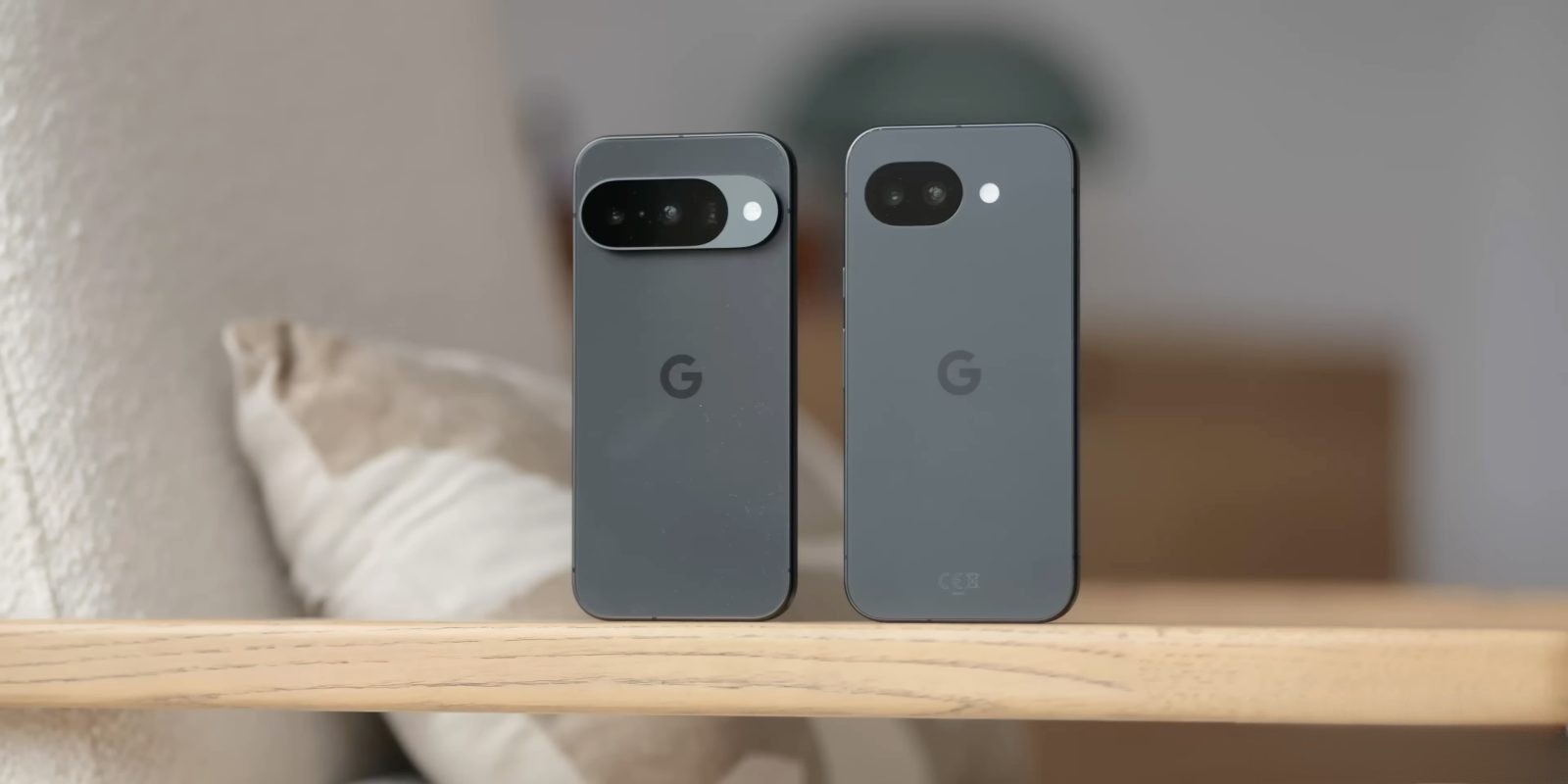
The Pixel 10 exudes a premium aesthetic reminiscent of high-end devices. It boasts Gorilla Glass Victus 2, a polished back, and satin aluminum frames, culminating in a device that feels both dense and luxurious in hand. Its design is sleek, offering a compact form factor that appeals to a broad audience.
In contrast, the Pixel 10a continues the unibody design introduced with the 9a, presenting a flatter profile with a camera module flush against the backplate. This design choice results in a subtle, minimalist appearance that encourages users to forgo protective cases. Despite utilizing more economical materials, the matte finish of the 10a provides a distinctive touch.
A notable difference between the two devices is their weight, with the Pixel 10a being over 20 grams lighter. While this may seem negligible, it is perceptible during daily use. Additionally, the Pixel 10a is approximately a millimeter taller than its counterpart. One point of contention is the absence of Google’s Pixelsnap feature in the 10a, a magnetic alignment system for wireless charging, which remains exclusive to the Pixel 10.
Display Characteristics
Both models are equipped with 6.3-inch OLED displays offering 1080 x 2424 resolution and 120Hz refresh rates. They achieve peak brightness levels of 3,000 nits and incorporate Adaptive Tone functions for enhanced visual experiences. However, the Pixel 10a employs an optical fingerprint scanner, whereas the Pixel 10 utilizes an ultrasonic variant, potentially offering faster and more reliable authentication. The Pixel 10 also maintains peak brightness for extended periods, which may be beneficial in certain scenarios.
An observable difference lies in the bezel size; the Pixel 10a features slightly thicker bezels compared to the more streamlined Pixel 10. Audio performance also varies, with the Pixel 10 delivering richer bass and overall superior sound quality, enhancing media consumption and call clarity.
Performance and Specifications
Under the hood, the Pixel 10 is powered by Google’s Tensor G5 processor, built on TSMC’s 3nm process node. This chipset offers a 34% increase in CPU performance and a 60% enhancement in the Tensor Processing Unit (TPU), facilitating improved responsiveness across various applications. The Pixel 10 also benefits from LPDDR5X RAM and UFS 4.0 storage, contributing to faster data access and overall system efficiency.
Conversely, the Pixel 10a is equipped with the previous generation Tensor G4 processor, paired with LPDDR5 RAM and UFS 3.1 storage. While this configuration remains competent for everyday tasks, it may not match the performance benchmarks set by the Pixel 10, particularly in resource-intensive applications.
Camera Capabilities
Both devices share identical main and ultra-wide rear camera lenses, featuring a 48 MP wide-angle lens with f/1.7 aperture and a 13 MP ultra-wide lens with f/2.2 aperture. This parity ensures consistent image quality across standard photography scenarios.
The Pixel 10, however, distinguishes itself with the addition of a 10.8 MP telephoto lens offering 5x optical zoom, extending up to 20x with Super Res Zoom. This feature enhances versatility, particularly for capturing distant subjects without compromising image clarity. The Pixel 10a lacks this telephoto capability, limiting its zoom functionality to 8x digital zoom.
Front-facing camera features also differ; the Pixel 10 includes an ultra-wide selfie option and autofocus capabilities for pet photography, features absent in the Pixel 10a. Despite these differences, both devices deliver comparable image quality under standard conditions, with minimal variations in color temperature and white balance.
Battery Life and Charging
The Pixel 10a houses a 5,100 mAh battery, marginally larger than the Pixel 10’s 4,970 mAh unit. This slight increase contributes to a negligible difference in battery longevity, with both devices offering over 30 hours of usage under typical conditions. Extreme Battery Saver mode extends this endurance, with the Pixel 10a reaching up to 120 hours.
Charging capabilities vary between the two models. The Pixel 10 supports wired charging up to 30W and wireless charging up to 15W, facilitated by the Pixelsnap feature. In contrast, the Pixel 10a offers wired charging at 30W and wireless charging at 10W, lacking the magnetic alignment provided by Pixelsnap.
Final Thoughts
The divergence between the Pixel 10 and Pixel 10a is more pronounced than in previous iterations, reflecting Google’s strategic delineation between its flagship and budget-friendly offerings. The Pixel 10 stands out with its premium build, advanced processing capabilities, and enhanced camera features, catering to users seeking top-tier performance and design.
The Pixel 10a, while maintaining commendable performance and design elements, omits certain premium features to achieve a more accessible price point. This model is well-suited for users who prioritize value and are willing to forgo some advanced functionalities.
Ultimately, the choice between the Pixel 10 and Pixel 10a hinges on individual preferences and budget considerations. Both devices uphold Google’s commitment to quality and user experience, ensuring satisfaction across a diverse consumer base.