Mastering Portrait Mode in iOS 26: A Comprehensive Guide
With the release of iOS 26, Apple has introduced a streamlined design for the Camera app, aiming to enhance user experience by reducing on-screen clutter. This redesign, however, has led to some users wondering about the whereabouts of certain features, notably Portrait Mode. Rest assured, Portrait Mode remains a core function; it has simply been repositioned within the app’s interface.
Understanding the Redesigned Camera Interface
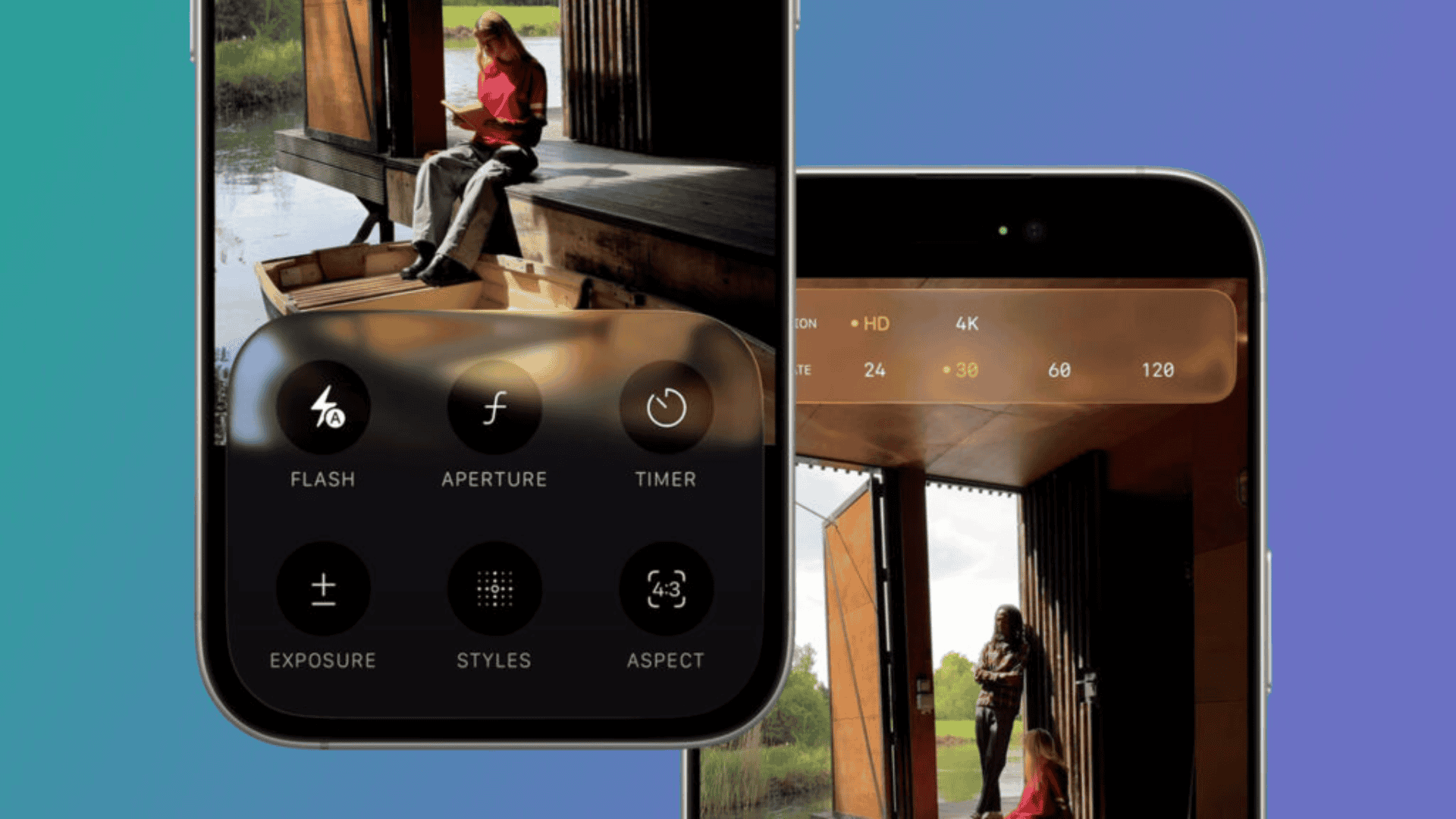
In iOS 26, the Camera app initially displays only two primary modes: Photo and Video. This minimalist approach is part of Apple’s new Liquid Glass design, which emphasizes simplicity and ease of use. Additional modes, including Portrait, Panorama, Slo-Mo, and Time-Lapse, are now accessible through intuitive swipe gestures. This change aims to declutter the interface, allowing users to focus on capturing moments without unnecessary distractions.
Locating and Utilizing Portrait Mode
Portrait Mode enables users to capture photos with a depth-of-field effect, keeping the subject in sharp focus while artistically blurring the background. To access Portrait Mode in iOS 26:
1. Open the Camera App: Launch the Camera application on your iPhone.
2. Navigate to Portrait Mode: At the bottom of the screen, you’ll see the mode selector. Swipe left or right on this selector until you reach Portrait Mode.
3. Frame Your Subject: Position your subject within the frame, ensuring adequate lighting and distance for optimal depth effect.
4. Capture the Photo: Once satisfied with the composition, tap the shutter button to take the photo.
This method is consistent across all iPhone models that support Portrait Mode and are running iOS 26.
Alternative Access Method
For users who prefer a different approach:
1. Open the Camera App: Launch the Camera application.
2. Tap the Mode Label: At the bottom of the screen, tap on the Photo or Video label.
3. Drag to Reveal Modes: Drag left or right to reveal additional modes, including Portrait.
4. Select and Capture: Choose Portrait Mode and proceed to capture your photo.
Editing Portrait Mode Photos
One of the standout features of Portrait Mode is the ability to adjust the depth and lighting effects post-capture. To edit a Portrait Mode photo:
1. Open the Photos App: Navigate to the Photos application on your iPhone.
2. Select the Photo: Choose the Portrait Mode photo you wish to edit.
3. Tap Edit: In the top-right corner, tap the Edit button.
4. Adjust Depth and Lighting: Use the Depth Control slider to modify the background blur intensity. Additionally, experiment with lighting effects such as Studio Light or Stage Light to enhance the photo’s ambiance.
5. Save Changes: Once satisfied with the adjustments, tap Done to save the edited photo.
Addressing Common Concerns
Some users have expressed difficulty in locating Portrait Mode after updating to iOS 26. This confusion stems from the app’s redesigned interface, which now requires users to swipe or tap to access certain modes. It’s important to note that while the method of access has changed, the functionality and quality of Portrait Mode remain unchanged.
Frequently Asked Questions
– Do all iPhones with iOS 26 support Portrait Mode?
Most iPhone models that previously supported Portrait Mode continue to do so with iOS 26. However, very old models that cannot run iOS 26 will not have access to this feature.
– Can I edit the background blur after taking a photo?
Yes, the Photos app allows you to adjust the background blur and lighting effects of Portrait Mode photos post-capture.
– Is Portrait Mode’s functionality different in iOS 26?
The core functionality of Portrait Mode remains the same. The primary change lies in its accessibility within the redesigned Camera app interface.
Conclusion
Portrait Mode continues to be a valuable feature in iOS 26, offering users the ability to capture professional-looking photos with ease. While the method to access this mode has evolved with the app’s redesign, familiarizing yourself with the new interface ensures you can continue to make the most of this feature. By understanding the updated navigation and editing capabilities, you can enhance your photography experience on the iPhone.