Samsung’s Decision to Omit Qi2 Magnets in Galaxy S26: A Closer Look
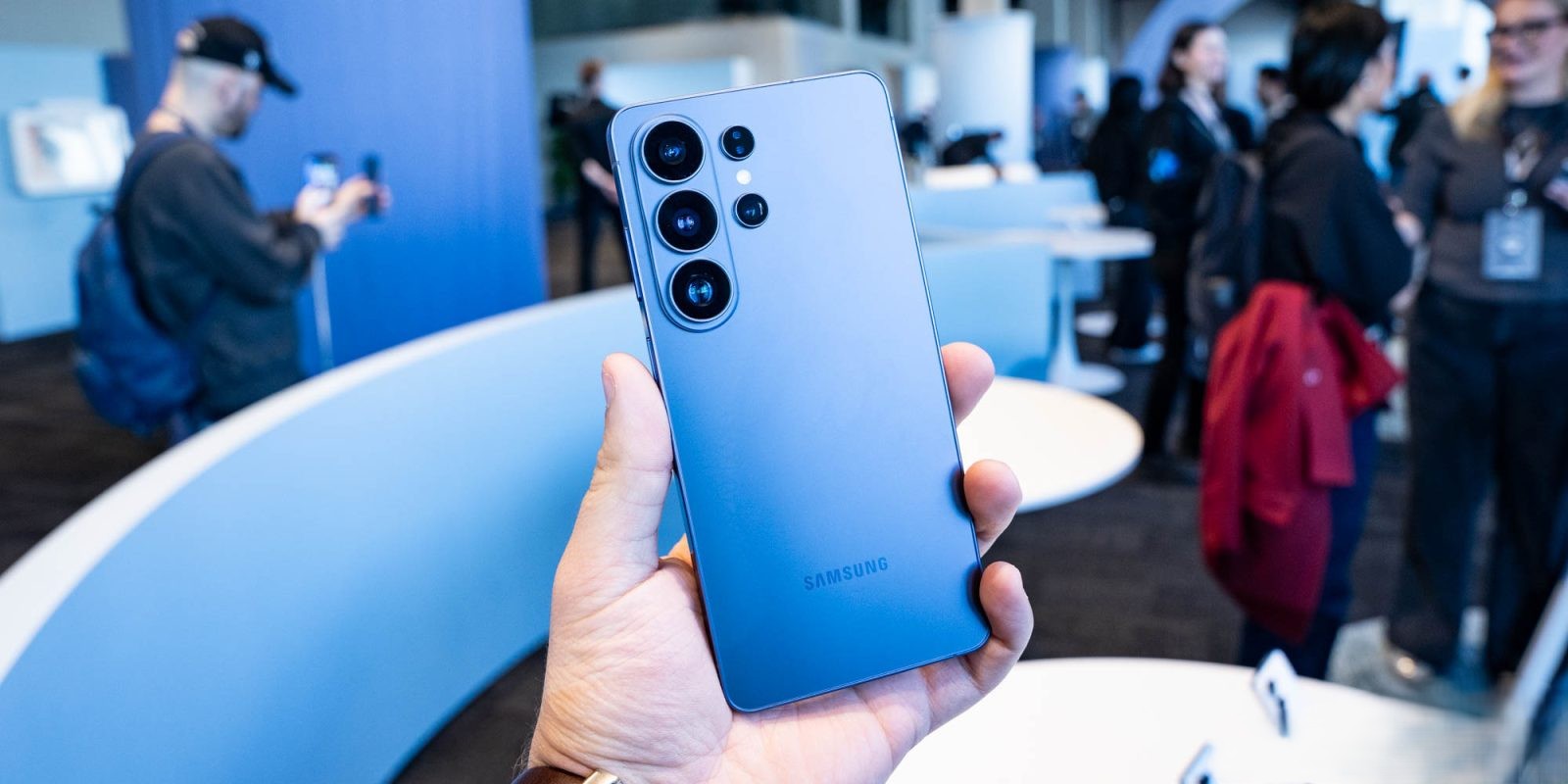
Samsung’s latest flagship, the Galaxy S26 series, has sparked discussions due to its omission of built-in Qi2 magnets—a feature anticipated by many tech enthusiasts. This decision, as explained by Samsung, is rooted in the company’s dedication to producing thinner and lighter devices. However, this rationale has raised questions about the balance between design aesthetics and functional enhancements.
Samsung’s Official Stance
In a statement to 9to5Google, Samsung elaborated on their design philosophy:
Galaxy S26 series supports Qi2-compatible phone cases, offering users flexibility without embedding the feature directly into the device. This decision reflects Samsung’s broader commitment to thinner, lighter designs, driven by advanced engineering that prioritizes compactness and portability.
While the pursuit of sleeker devices is commendable, it brings forth challenges, especially when it impacts the integration of emerging technologies like Qi2 magnets.
The Implications of Excluding Built-in Qi2 Magnets
The absence of native Qi2 magnets means that users aiming to utilize the enhanced wireless charging capabilities of the Galaxy S26+ and Galaxy S26 Ultra will need to invest in specific cases. This requirement stems from the Qi2 standard’s reliance on magnetic alignment to achieve optimal charging speeds. Notably, the Qi specification’s Extended Power Profile (EPP) is limited to 15W, whereas the Magnetic Power Profile (MPP) supports up to 25W, contingent on active alignment devices.
Consequently, to harness the full potential of the Galaxy S26’s upgraded wireless charging—peaking at 25W—users are compelled to use magnetic cases. This necessity introduces additional costs and potential compatibility issues, especially considering the variability in third-party accessory quality.
Market Dynamics and Consumer Preferences
Samsung’s approach to Qi2 integration isn’t entirely new. Previous models, such as the Galaxy S25 series, also lacked built-in magnets, instead offering Qi2 Ready functionality through compatible cases. This strategy aligns with Samsung’s emphasis on device slimness but may not resonate with all consumers.
Interestingly, Samsung has sought user feedback on this matter. A survey conducted via the Samsung Members app queried users about their preferences regarding device thickness versus the inclusion of built-in magnets. The options ranged from prioritizing a thinner device without magnets to accepting a slight increase in thickness (up to 0.5mm) to accommodate the feature.
The Broader Context of Qi2 Adoption
The Qi2 standard represents a significant evolution in wireless charging, introducing magnetic alignment to enhance efficiency and user experience. Competitors like Apple have embraced similar technologies with their MagSafe system, setting a precedent in the industry. Samsung’s decision to forgo built-in Qi2 magnets, therefore, positions them differently in the market, potentially influencing consumer choices.
Looking Ahead
As the Galaxy S26 series becomes available for pre-order, consumers are faced with a choice: prioritize the device’s sleek design or invest in additional accessories to access the full spectrum of its wireless charging capabilities. This scenario underscores the ongoing debate between form and function in modern smartphone design.