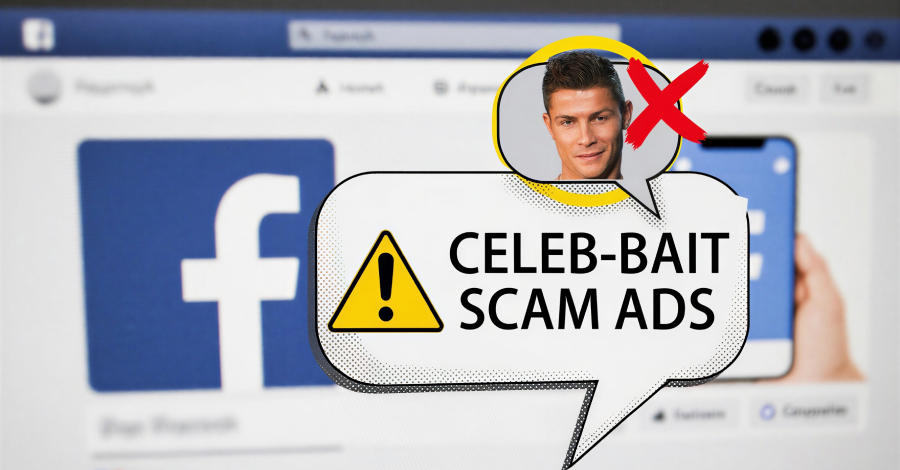
Meta Initiates Legal Action Against Global Advertisers for Deceptive ‘Celeb-Bait’ Scams
Meta Platforms, Inc., the parent company of Facebook and Instagram, has recently intensified its efforts to combat fraudulent activities on its platforms by filing lawsuits against advertisers in Brazil, China, and Vietnam. These advertisers are accused of employing deceptive tactics, notably ‘celeb-bait’ scams, to mislead users and perpetrate fraud.
Understanding ‘Celeb-Bait’ Scams
‘Celeb-bait’ scams involve the unauthorized use of images and likenesses of well-known public figures to lend credibility to fraudulent advertisements. These ads often promote counterfeit products or services, leading unsuspecting users to malicious websites designed to harvest personal information or solicit money under false pretenses.
Details of the Legal Actions
Meta’s recent legal actions target several entities and individuals:
– Brazil-Based Advertisers:
– Vitor Lourenço de Souza and Milena Luciani Sanchez: Accused of manipulating celebrity images and voices to market fraudulent healthcare products.
– B&B Suplementos e Cosméticos Ltda. (Brites Corp), Brites Academia de Treinamento Ltda., Daniel de Brites Macieira Cordeiro, and José Victor de Brites Chaves de Araújo: Allegedly utilized deepfake technology to impersonate a prominent physician, promoting unapproved healthcare products and offering courses on these deceptive practices.
– China-Based Advertiser:
– Shenzhen Yunzheng Technology Co., Ltd: Reportedly used ‘celeb-bait’ ads to lure individuals in the U.S. and Japan into fraudulent investment schemes.
– Vietnam-Based Advertiser:
– Lý Văn Lâm: Employed cloaking techniques to bypass Meta’s ad review processes, directing users to fraudulent websites that collected credit card information under the guise of offering discounted products.
Meta’s Proactive Measures
In response to these deceptive practices, Meta has implemented several measures:
– Account and Payment Disruptions: Suspended payment methods and disabled accounts associated with the fraudulent activities.
– Domain Blocking: Blocked domain names linked to the scams to prevent further user exploitation.
– Legal Notices: Issued cease and desist letters to eight marketing consultants who promoted services designed to circumvent Meta’s enforcement systems, including fake account restoration services and renting access to trusted accounts.
Enhancing Celebrity Protections
To further combat ‘celeb-bait’ scams, Meta has developed protections for celebrities whose images are frequently misused. This initiative currently safeguards over 500,000 public figures worldwide, aiming to prevent unauthorized use of their likenesses in deceptive advertisements.
Broader Implications and Industry Response
The prevalence of ‘celeb-bait’ scams underscores the challenges social media platforms face in maintaining user trust and safety. A Reuters investigation revealed that a significant portion of Meta’s ad sales in China in 2024 originated from ads promoting scams, illegal gambling, and other prohibited content. This has prompted Meta to reevaluate its Badged Partners program and implement stricter oversight measures.
Furthermore, an analysis by Gen Digital of 14.5 million ads across Meta’s platforms in the E.U. and U.K. found that nearly 31% directed users to scam, phishing, or malware sites. This alarming statistic highlights the need for continuous vigilance and robust enforcement mechanisms to protect users from fraudulent activities.
Conclusion
Meta’s recent legal actions against deceptive advertisers in Brazil, China, and Vietnam represent a significant step in its ongoing efforts to safeguard its platforms from fraudulent activities. By targeting ‘celeb-bait’ scams and enhancing protections for public figures, Meta aims to foster a safer and more trustworthy online environment for its global user base.