Unraveling the Global RAM and SSD Shortage: Causes, Impacts, and Future Outlook
In recent years, the technology sector has been grappling with a significant shortage of RAM (Random Access Memory) and SSDs (Solid State Drives), leading to soaring prices and supply constraints. This crisis has profound implications for manufacturers, consumers, and the broader economy. Understanding the multifaceted causes behind this shortage is essential to grasp its full impact and anticipate future developments.
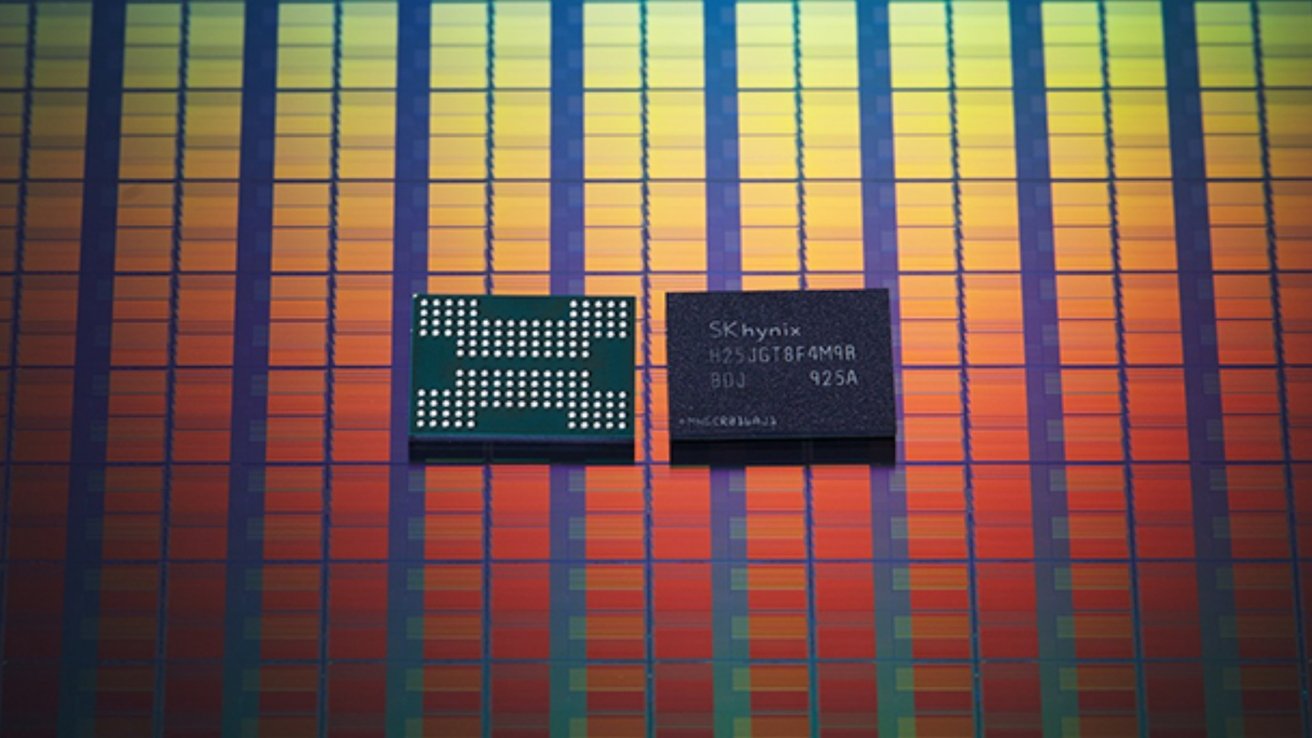
The Role of DRAM and NAND in Modern Technology
At the heart of this shortage are two critical components: DRAM and NAND flash memory.
– DRAM (Dynamic Random Access Memory): This type of memory is used for temporary data storage, allowing devices to access information quickly. It’s a staple in computers, smartphones, and various electronic devices.
– NAND Flash Memory: Unlike DRAM, NAND provides non-volatile storage, retaining data even when the device is powered off. It’s integral to SSDs, USB drives, and memory cards.
Both DRAM and NAND are indispensable in modern electronics, and their scarcity has ripple effects across multiple industries.
Surging Demand from AI and Data Centers
A primary driver of the current shortage is the exponential growth in demand from artificial intelligence (AI) applications and data centers.
– AI’s Insatiable Appetite: AI models require vast amounts of data for training and operation. This necessitates substantial memory and storage resources, leading to increased consumption of DRAM and NAND.
– Data Center Expansion: Companies like OpenAI and Google are rapidly expanding their data centers to support AI workloads. These facilities demand high-performance memory solutions, further straining the supply chain.
The shift towards AI and data-intensive applications has significantly altered the landscape of memory consumption, prioritizing high-bandwidth memory (HBM) and large-scale NAND storage.
Manufacturing Challenges and Supply Constraints
The production of DRAM and NAND is a complex and time-consuming process, contributing to the current supply issues.
– Production Complexity: Manufacturing DRAM involves multiple intricate steps, from creating silicon wafers to slicing them into individual chips. This process can take several months, making it difficult to quickly scale up production.
– Limited Manufacturing Capacity: Major manufacturers like Samsung, SK Hynix, and Micron have shifted their focus towards producing HBM for AI applications. This reallocation has reduced the output of consumer-grade DRAM and NAND, exacerbating shortages.
– Historical Overproduction: The industry has previously faced periods of oversupply, leading to financial losses. To avoid repeating this scenario, manufacturers are cautious about rapidly expanding production capacity.
These factors combine to create a bottleneck in the supply chain, limiting the availability of memory components.
Impact on Major Tech Companies
Even industry giants like Apple are not immune to the effects of the memory shortage.
– Increased Component Costs: Apple has reportedly agreed to pay double the previous rates for DRAM chips from suppliers like Samsung. This significant cost increase affects the overall manufacturing expenses for products like iPhones and Macs.
– Supply Chain Vulnerabilities: The scarcity of memory components has led to renegotiations of supply contracts, often resulting in shorter terms and higher prices. This instability poses challenges for product planning and pricing strategies.
The financial strain on companies due to increased component costs may eventually be passed on to consumers, leading to higher prices for electronic devices.
Historical Context and Recurring Patterns
The current shortage is not an isolated incident; similar situations have occurred in the past.
– 2009 NAND Flash Shortage: The popularity of Apple devices like the iPhone and iPod touch led to a surge in NAND flash demand, causing a global shortage. Manufacturers prioritized Apple, leading to supply constraints for other companies.
– 2011 DRAM Market Disruption: The rise of tablets like the iPad disrupted the traditional PC market, leading to an oversupply of DRAM and financial losses for chipmakers.
These historical events highlight the cyclical nature of supply and demand in the memory market, influenced by technological advancements and shifting consumer preferences.
Future Outlook and Potential Solutions
Addressing the current shortage requires a multifaceted approach and time.
– Investment in Production Capacity: While building new manufacturing facilities is a potential solution, it involves significant time and financial investment. Companies are cautious about expanding too rapidly to avoid future oversupply issues.
– Diversification of Supply Chains: Tech companies may seek to diversify their supplier base to mitigate risks associated with reliance on a limited number of manufacturers.
– Technological Innovations: Advancements in memory technology, such as the development of alternative materials or architectures, could alleviate some of the current constraints.
Industry analysts suggest that the shortage may persist into 2027 or beyond, making it imperative for companies to strategize accordingly.
Conclusion
The global shortage of RAM and SSDs is a complex issue driven by surging demand from AI applications, manufacturing challenges, and strategic decisions by key industry players. Its impact is widespread, affecting manufacturers, consumers, and the broader economy. While solutions are being explored, the path to resolution is neither simple nor quick. Stakeholders must navigate this challenging landscape with foresight and adaptability to mitigate the ongoing crisis.