Apple’s Foldable iPhone: A Crease-Free Revolution in Smartphone Design
Apple is poised to redefine the smartphone landscape with its upcoming foldable iPhone, a device that promises to address one of the most persistent challenges in foldable technology: the display crease. Recent developments indicate that Apple has not only initiated production but has also achieved significant advancements in minimizing the crease, setting a new benchmark for the industry.
Production Milestones and Crease Specifications
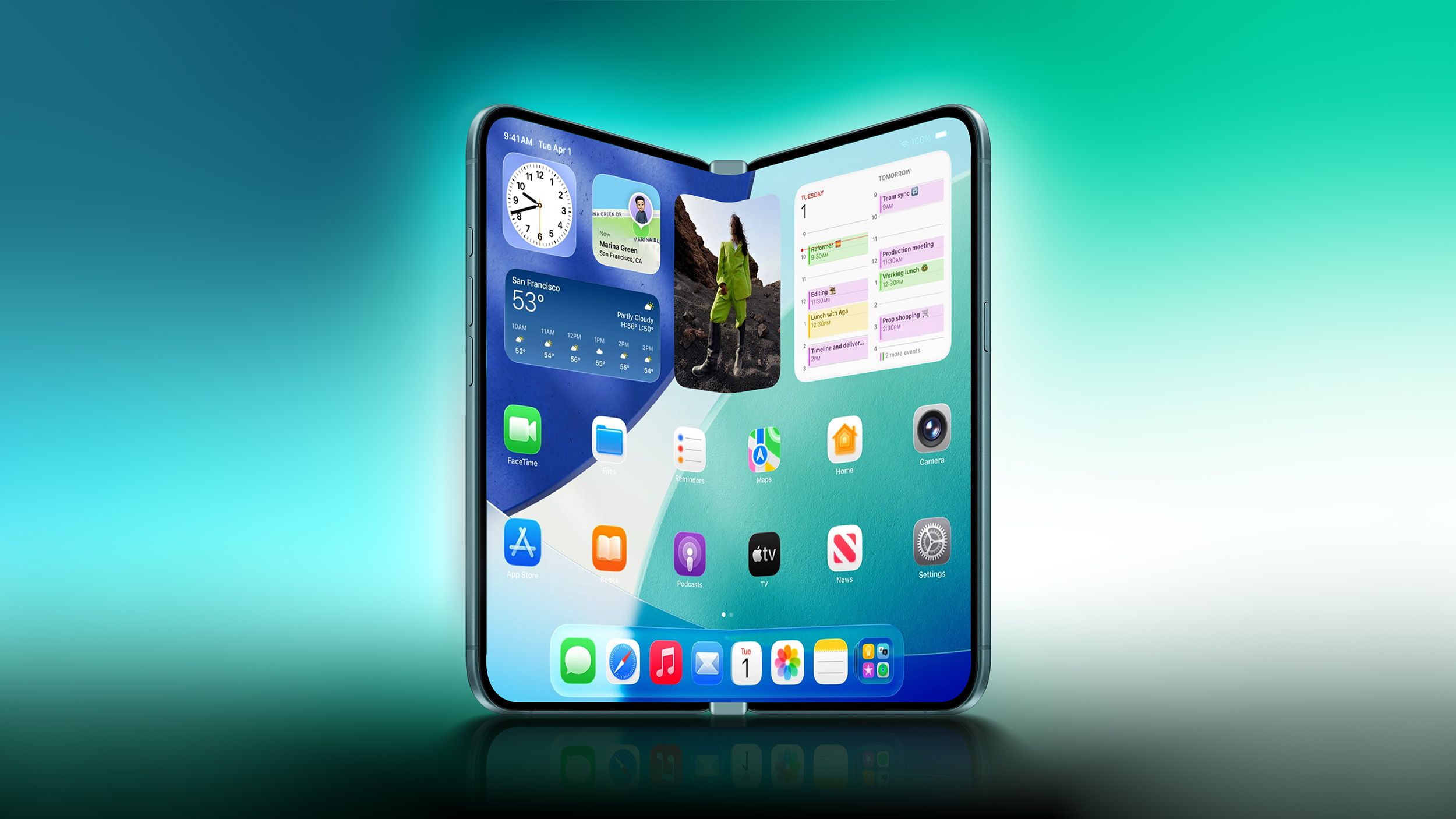
According to information from the Weibo account Fixed Focus Digital, Apple has placed production orders for its foldable iPhone, signaling a launch within the year. The device is expected to feature a 7.8-inch inner display with meticulous attention to the crease’s dimensions. The crease depth is reportedly controlled to under 0.15 mm, ensuring a shallower and less perceptible indentation. Additionally, the crease angle is maintained below 2.5 degrees, facilitating a smoother and flatter transition across the fold. These precise measurements underscore Apple’s commitment to delivering a seamless user experience.
Innovative Display Technology
Apple’s pursuit of a crease-free display has led to the development of a novel display panel in collaboration with Samsung Display. This panel, described as virtually crease-free, incorporates a metal plate designed to disperse and control the stress generated by bending. This innovation is expected to eliminate the visible crease that has been a common drawback in existing foldable devices. The panel structure, lamination method, and material process have been meticulously designed by Apple to achieve this feat.
Design and Form Factor
The foldable iPhone is anticipated to adopt a book-style design, similar to Samsung’s Galaxy Z Fold series. When unfolded, it will reveal a 7.8-inch main display, while the cover display will measure approximately 5.5 inches. This design choice aims to provide users with a larger screen experience without compromising portability. The device is also expected to be remarkably thin, measuring around 4.5 mm when unfolded and between 9 mm and 9.5 mm when closed, making it one of the slimmest foldable smartphones to date.
Camera and Authentication Features
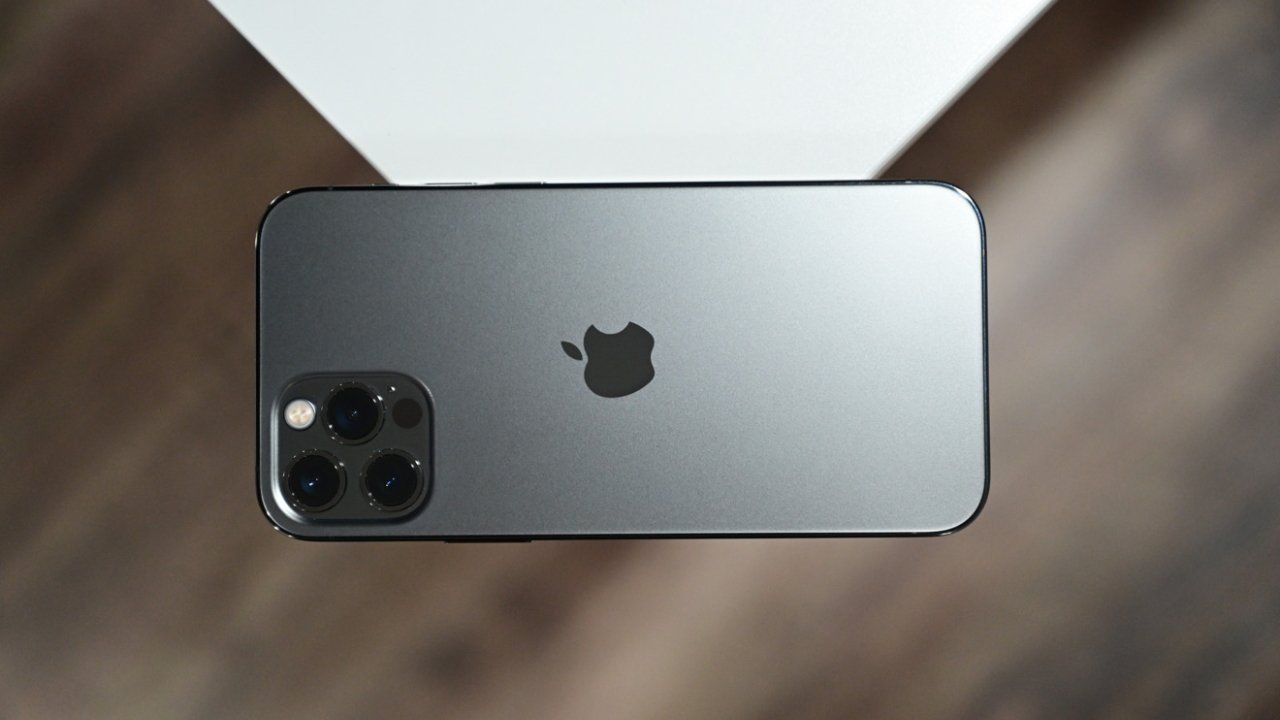
In terms of photography, the foldable iPhone is rumored to feature two rear cameras, a single front-facing camera, and an additional selfie camera on the inner display. For user authentication, Apple is expected to integrate Touch ID into the power button, a departure from the Face ID system, likely due to space constraints within the foldable design.
Launch Timeline and Market Impact
Apple is projected to unveil the foldable iPhone alongside the iPhone 18 Pro models in September 2026. This launch represents the most significant form factor change since the original iPhone’s debut in 2007. The introduction of a crease-free foldable device is poised to set a new industry standard, potentially influencing future designs from competitors.
Challenges and Production Considerations
Despite these advancements, Apple may face production challenges that could limit the initial supply of the foldable iPhone. Analyst Ming-Chi Kuo has indicated that early-stage yield and ramp-up issues might result in supply shortages extending into 2027. However, Apple’s strategic planning and collaboration with suppliers like Samsung Display and Fine M-Tec are expected to mitigate these challenges over time.
Conclusion
Apple’s forthcoming foldable iPhone signifies a monumental leap in smartphone design and technology. By addressing the longstanding issue of display creases and introducing a sleek, innovative form factor, Apple is set to redefine user expectations and solidify its position at the forefront of the mobile industry.