Apple’s Strategy to Reintroduce an Affordable MacBook
Apple is reportedly developing a more affordable MacBook, aiming to broaden its market reach and appeal to cost-conscious consumers. This initiative mirrors the company’s previous efforts to offer budget-friendly laptops without compromising on quality.
Historical Context: The Original MacBook
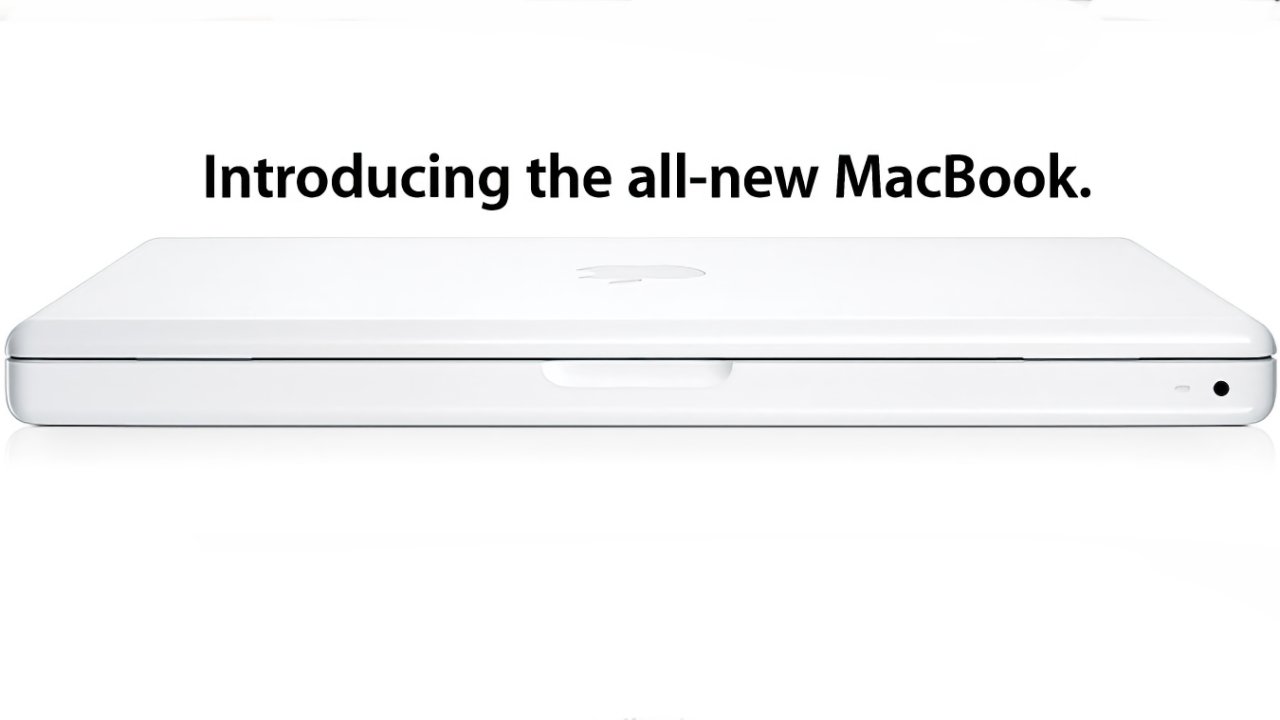
In 2006, Apple introduced the original MacBook as a successor to the iBook. This model was designed to offer enhanced performance and features at a competitive price point. The MacBook boasted a 13-inch glossy display with a resolution of 1280×800, a 60GB hard drive, and Mini-DVI output. It was also 20% thinner and had a 79% brighter display compared to its predecessor. Priced at $1,099, it provided significant value for consumers seeking a reliable and stylish laptop.
The Upcoming Affordable MacBook: What We Know
Analyst Ming-Chi Kuo has provided insights into Apple’s plans for the new budget-friendly MacBook:
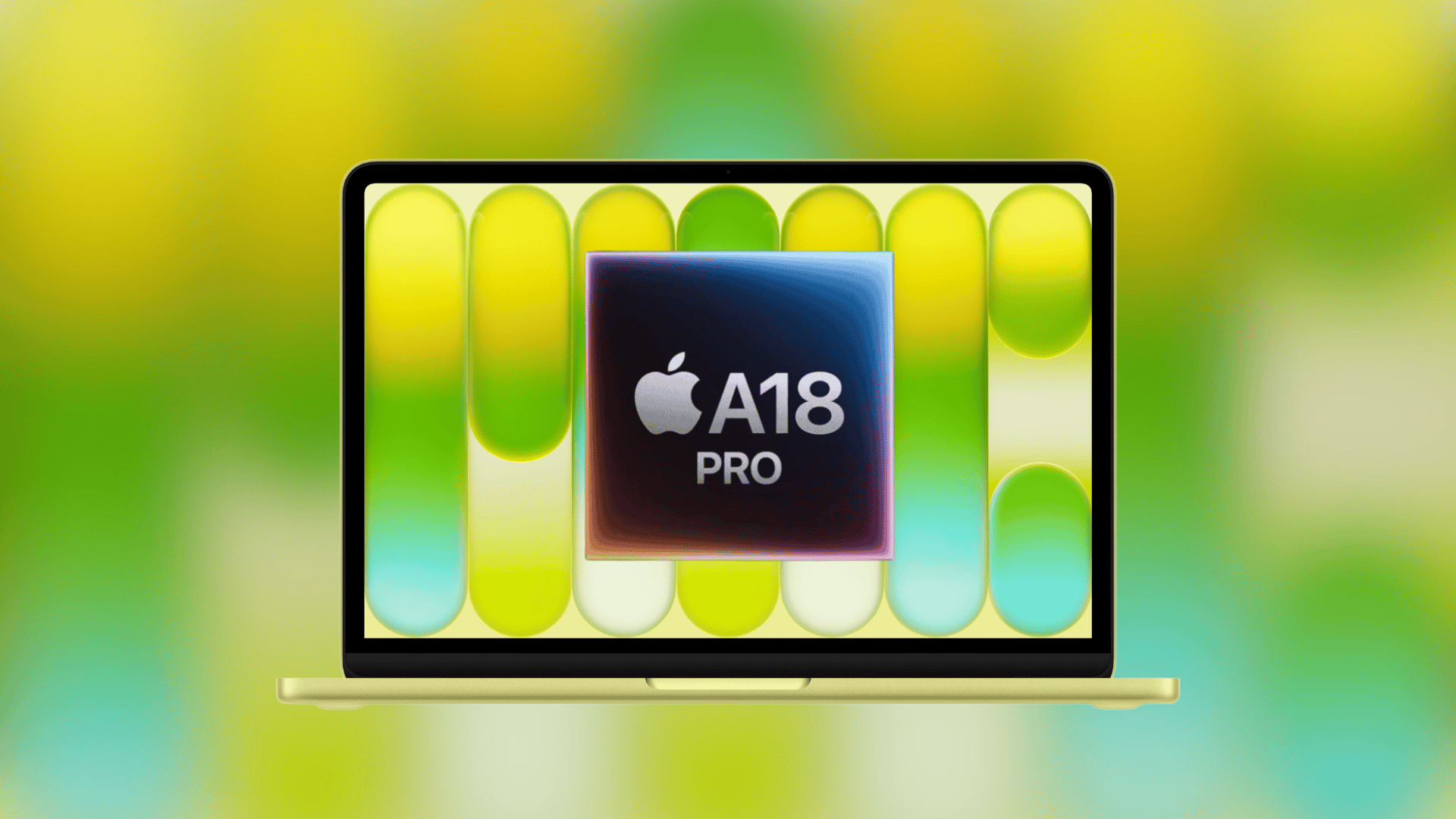
– Processor: The laptop is expected to be powered by the A18 Pro processor, currently used in the iPhone 16 Pro and iPhone 16 Pro Max. This shift from the M-series to an A-series chip could reduce production costs while maintaining robust performance.
– Display: The device will feature an approximately 13-inch screen, aligning with the size of the existing MacBook Air.
– Color Options: Apple plans to offer the MacBook in silver, blue, pink, and yellow, adding a vibrant touch to its lineup.
– Production Timeline: Mass production is slated to begin at the end of 2025 or early 2026, with a potential launch in the first half of 2026.
– Sales Projections: Apple aims to sell between five and seven million units of this model in 2026, contributing to a goal of 25 million MacBook sales that year.
Pricing Considerations
While the exact pricing remains unconfirmed, estimates suggest a range between $599 and $699. This positions the new MacBook competitively against other budget laptops, such as Chromebooks and entry-level Windows notebooks. The use of the A18 Pro processor and potential adjustments in specifications are strategies to manage production costs and offer an affordable yet capable device.
Challenges in Production
Apple faces challenges due to rising costs of key components:
– Memory Prices: There has been a sharp increase in memory prices over the past year, affecting profit margins across the PC industry.
– Battery Costs: International cobalt prices have surged, leading to a 10% to 15% increase in battery module pricing as of February 2026.
Despite these challenges, Apple’s vertical integration and control over hardware and software development provide a competitive edge. By designing its own processors and managing the entire product stack, Apple can navigate cost pressures more effectively than competitors reliant on third-party components.
Market Implications
Introducing a lower-cost MacBook aligns with Apple’s strategy to expand its market share during a period of declining global notebook shipments. By offering a budget-friendly option, Apple can attract price-sensitive consumers and strengthen its position in the education sector, where affordability is a key consideration.
Conclusion
Apple’s forthcoming affordable MacBook represents a strategic move to offer high-quality laptops at a more accessible price point. Drawing from its history of successful budget-friendly models, Apple aims to meet the needs of a broader consumer base while maintaining its reputation for innovation and quality.