Samsung’s Galaxy S26 Series: A Stagnant Evolution in a Rapidly Advancing Market
Samsung’s latest flagship lineup, the Galaxy S26 series, has been unveiled, but it appears to offer minimal advancements over its predecessors. This lack of significant innovation raises questions about Samsung’s commitment to staying competitive in the rapidly evolving smartphone market.
Design and Display
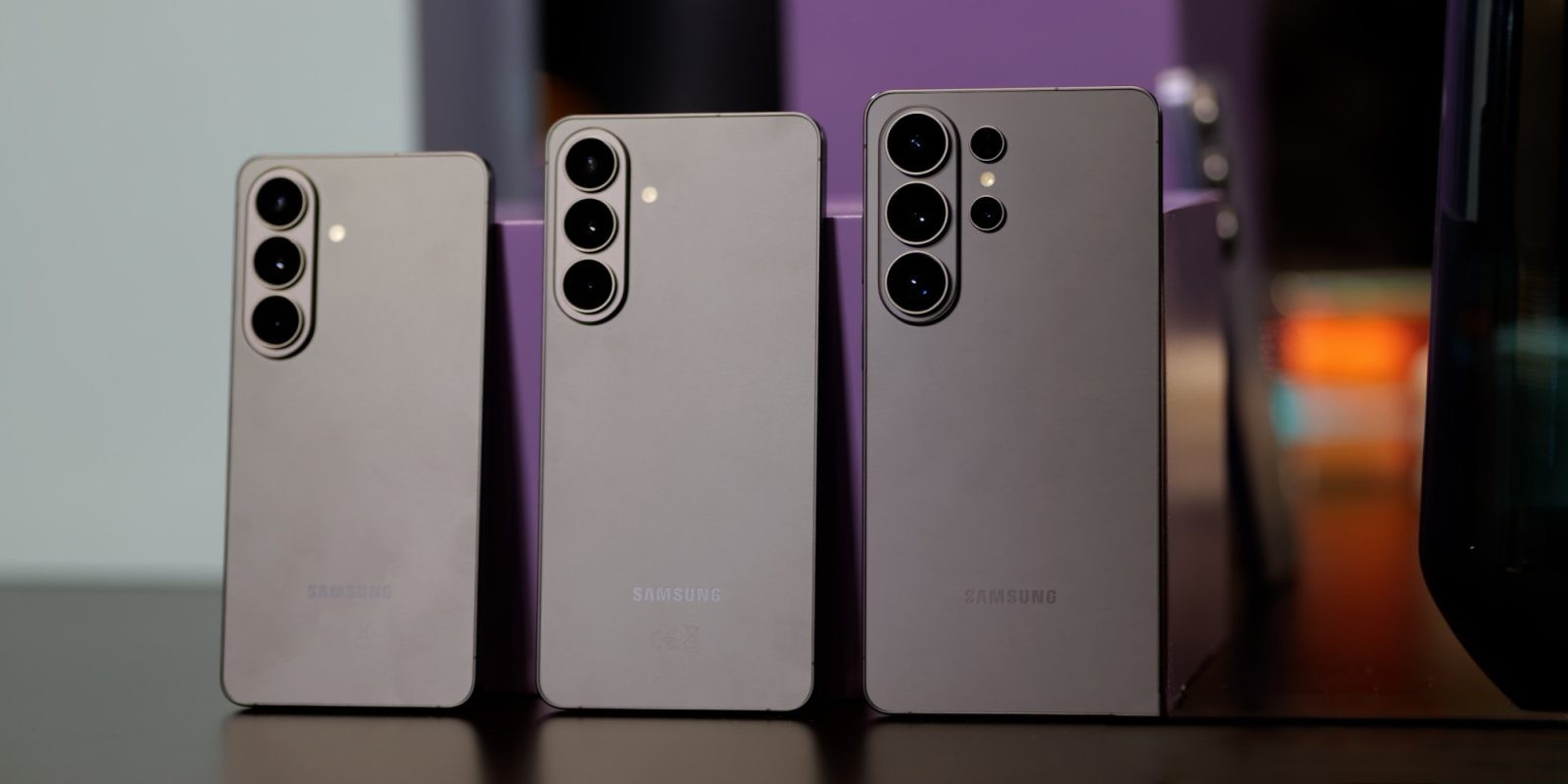
The Galaxy S26 and S26+ models maintain the design language introduced with the Galaxy S22, featuring a sleek, minimalist aesthetic. Both devices boast a 6.2-inch and 6.7-inch Dynamic AMOLED display, respectively, with a 120Hz refresh rate. While these specifications are commendable, they are identical to those of the previous three generations, offering no new visual or functional enhancements.
Camera System
A particularly glaring omission in the S26 series is the absence of camera hardware upgrades. The primary camera setup remains a 50MP main sensor, accompanied by a 10MP telephoto lens with 3x optical zoom and a 12MP ultrawide lens. This configuration has been unchanged since the Galaxy S22, marking four consecutive years without improvement. In an era where competitors are making significant strides in mobile photography, Samsung’s stagnation is both surprising and disappointing.
Performance and Hardware
Under the hood, the Galaxy S26 series introduces the Exynos 2600 chipset in global markets, while North American, Chinese, and Japanese variants are equipped with Qualcomm’s Snapdragon 8 Elite Gen 5 processor. This dual-processor strategy has been a point of contention among consumers, as the performance disparity between Exynos and Snapdragon chips has historically favored the latter. Despite being the first devices to feature a 2nm mobile chip, the real-world performance gains remain to be seen.
Battery and Charging
Battery capacities are consistent with previous models, with the S26 housing a 4,000mAh battery and the S26+ a 4,800mAh unit. Charging capabilities remain at 25W wired and 15W wireless, which, while adequate, fall short of the rapid charging technologies offered by some competitors.
Software and Features
The S26 series ships with Samsung’s One UI 7, based on Android 15. The software experience is polished and user-friendly, offering features like enhanced privacy controls and improved multitasking. However, these software enhancements are incremental and do not compensate for the lack of hardware innovation.
Market Position and Pricing
The Galaxy S26 is priced at $999, with the S26+ at $1,199. These price points are consistent with previous models but may be difficult to justify given the minimal upgrades. In contrast, competitors like Apple’s iPhone 17 and Google’s Pixel 10 have introduced substantial improvements in design, performance, and camera technology, often at similar or lower price points.
Conclusion
The Galaxy S26 series exemplifies a concerning trend of complacency within Samsung’s flagship lineup. By offering devices that are virtually indistinguishable from their predecessors, Samsung risks alienating consumers who seek innovation and value in their smartphone purchases. As the market continues to evolve, it is imperative for Samsung to reassess its strategy and prioritize meaningful advancements to maintain its position as a leader in the industry.