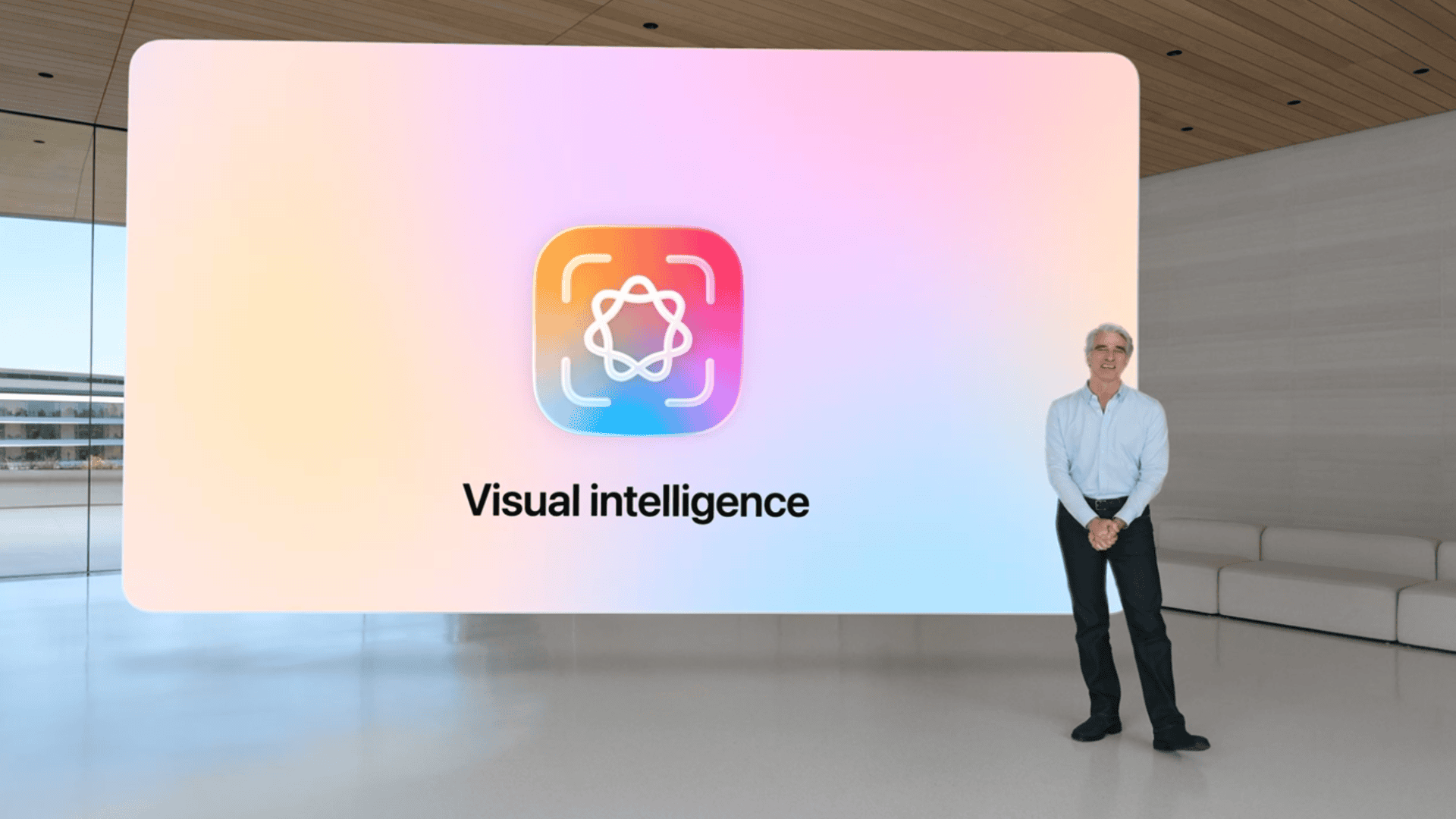
Apple’s Vision for AI Wearables: Integrating Visual Intelligence into Everyday Devices
Apple is actively preparing to introduce a new generation of AI-powered wearable devices, with Visual Intelligence at the forefront of this initiative. CEO Tim Cook has consistently emphasized this technology as a pivotal element in the company’s forthcoming product lineup. Recent developments suggest that Apple is exploring the integration of cameras into devices such as AirPods, smart glasses, and even an AI pendant, all designed to work seamlessly with Apple Intelligence.
This strategic focus is reminiscent of Apple’s previous market preparations for significant launches like the Apple Watch and Apple Vision Pro. Cook’s repeated references to Visual Intelligence indicate a deliberate move towards developing hardware that leverages advanced computer vision capabilities.
In a recent earnings call, Cook highlighted the importance of Visual Intelligence, stating, One of our most popular features is Visual Intelligence, which helps users learn and do more than ever with the content on their iPhone screen, making it faster to search, take action and answer questions across their apps. This statement underscores Apple’s commitment to enhancing user interaction through sophisticated visual processing.
Cook also pointed out Apple’s substantial advantage in the AI sector, citing the company’s extensive installed base of 2.5 billion devices. This vast ecosystem provides a robust foundation for deploying and refining AI technologies across a wide range of products.
Innovations in Wearable Technology
Apple’s roadmap for AI wearables centers on equipping devices with advanced visual capabilities. Reports indicate that the company is developing:
– AirPods with Integrated Cameras: These next-generation AirPods may feature low-resolution or infrared cameras. The primary function of these cameras would be to enable gesture control and environmental awareness, rather than traditional photography. This innovation could allow users to interact with their devices through hand movements and receive contextual information based on their surroundings.
– Smart Glasses with Dedicated Lenses: Apple’s smart glasses are expected to include specialized lenses designed for vision tasks and media capture. These lenses would facilitate augmented reality experiences, overlaying digital information onto the physical world and enhancing activities such as navigation, information retrieval, and interactive gaming.
– AI Pendant with Computer Vision Sensors: The proposed AI pendant would be equipped with sensors capable of understanding and interpreting the user’s environment. This device could assist with tasks like identifying objects, providing real-time translations, and offering personalized recommendations based on visual inputs.
These innovations aim to extend the capabilities of Apple Intelligence beyond traditional screens, integrating AI seamlessly into users’ daily lives. For instance, the system could identify food ingredients for dietary tracking, guide users through unfamiliar locations using landmark recognition, or trigger reminders when specific objects are detected.
Challenges and Considerations
Despite the promising prospects, Apple faces several challenges in bringing these AI wearables to market:
– Miniaturization of Components: Integrating cameras and sensors into compact devices like AirPods without compromising comfort or battery life requires significant advancements in miniaturization and energy efficiency.
– Development of Robust On-Device AI Models: To ensure seamless and responsive user experiences, Apple must develop powerful AI models capable of processing complex visual data locally on the device. This is particularly crucial as reliance on cloud processing could introduce latency and privacy concerns.
– Privacy and Security: The incorporation of cameras and sensors into personal devices raises important questions about user privacy and data security. Apple will need to implement stringent measures to protect user information and maintain trust.
Strategic Implications
Cook’s emphasis on Visual Intelligence signals a clear direction for Apple’s future in wearable technology. By focusing on developing proprietary visual models, Apple aims to reduce dependence on external AI providers like OpenAI or Google. This approach aligns with the company’s broader strategy of maintaining control over both hardware and software to deliver a cohesive and secure user experience.
The integration of Visual Intelligence into wearables represents a significant step towards creating devices that are not only functional but also intuitive and context-aware. As these technologies mature, they have the potential to redefine how users interact with their devices, making technology an even more seamless and integral part of daily life.
Conclusion
Apple’s concerted efforts to incorporate Visual Intelligence into its wearable devices underscore the company’s commitment to innovation and user-centric design. By equipping devices like AirPods, smart glasses, and AI pendants with advanced visual capabilities, Apple is poised to offer users more interactive and personalized experiences. While challenges remain in terms of hardware design, AI development, and privacy considerations, Apple’s strategic focus and extensive ecosystem position it well to lead the next wave of AI wearables.