OpenAI and Jony Ive Collaborate on AI-Powered Smart Speaker to Challenge HomePod
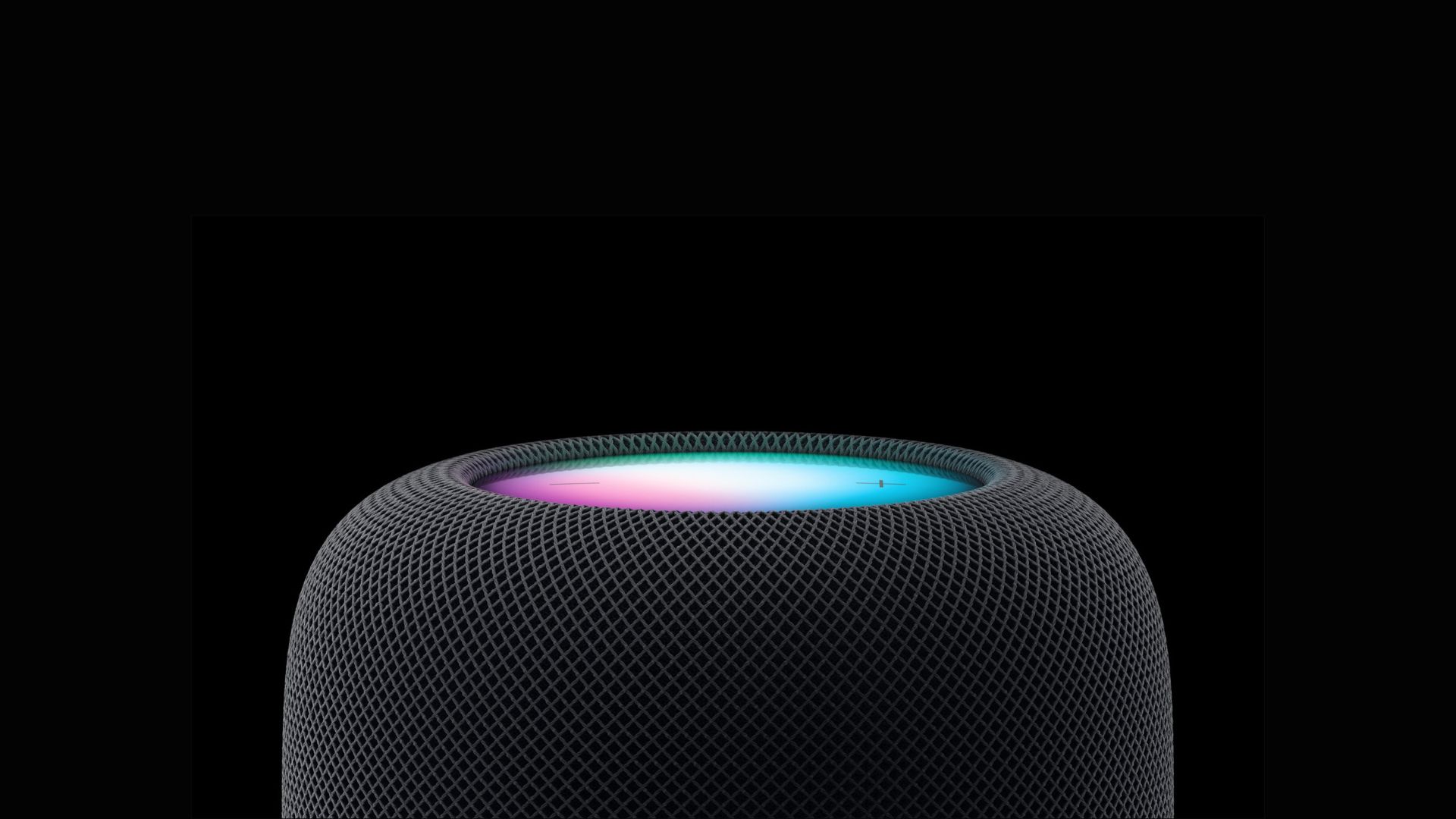
OpenAI, renowned for its advancements in artificial intelligence, is venturing into consumer hardware by partnering with Jony Ive’s design firm, LoveFrom, to develop a smart speaker poised to rival Apple’s HomePod. This strategic move signifies OpenAI’s transition from software to physical devices, aiming to integrate AI seamlessly into everyday home environments.
Innovative Features and Design
The forthcoming smart speaker is anticipated to be priced between $200 and $300, with a projected release no earlier than February 2027. A standout feature of the device is its integrated camera, designed to observe its surroundings and recognize users through facial recognition technology akin to Apple’s Face ID. This functionality will enable users to authenticate purchases and interact with the device in a more personalized manner. ([macrumors.com](https://www.macrumors.com/2026/02/20/jony-ive-openai-smart-speaker-2027/?utm_source=openai))
Beyond facial recognition, the smart speaker is expected to monitor user behavior and environmental context to offer proactive suggestions. For instance, it could recommend an early bedtime if it detects a scheduled morning meeting, thereby acting as an active participant in users’ daily routines. ([macrumors.com](https://www.macrumors.com/2026/02/20/jony-ive-openai-smart-speaker-2027/?utm_source=openai))
Development Team and Collaborative Efforts
OpenAI has assembled a dedicated hardware team exceeding 200 members, led by Peter Welinder. The team includes former Apple employees such as Tang Tan, Evans Hankey, and Scott Cannon, bringing a wealth of experience in hardware design and development. ([macrumors.com](https://www.macrumors.com/2026/02/20/jony-ive-openai-smart-speaker-2027/?utm_source=openai))
The collaboration with Jony Ive’s LoveFrom is central to the project’s design philosophy. LoveFrom is responsible for the conceptualization and design of the device, while OpenAI’s internal team focuses on engineering, software development, and user experience. This partnership aims to create a device that is not only technologically advanced but also aesthetically pleasing and user-friendly.
Challenges and Market Competition
Entering the consumer hardware market presents significant challenges for OpenAI, especially given the dominance of established players like Apple, Meta, and Google. These companies have already secured substantial market shares with their smart home devices. OpenAI’s success will depend on its ability to differentiate its products through superior AI integration and innovative design.
Internal reports suggest some tension between OpenAI and LoveFrom, particularly concerning the pace of design revisions and the level of transparency in the design process. Addressing these challenges will be crucial for the timely and successful launch of the smart speaker.
Future Prospects and Product Line Expansion
In addition to the smart speaker, OpenAI is exploring other AI-powered consumer devices, including smart glasses and a smart lamp. These products are in the early stages of development, with potential releases projected for 2028 or later. The smart glasses aim to provide augmented reality experiences, while the smart lamp is envisioned to offer adaptive lighting based on user behavior and preferences.
OpenAI’s foray into hardware signifies a strategic effort to integrate AI more deeply into consumers’ daily lives. By leveraging Jony Ive’s design expertise and its own AI capabilities, OpenAI aims to create products that are both functional and aesthetically appealing, setting new standards in the smart home device market.